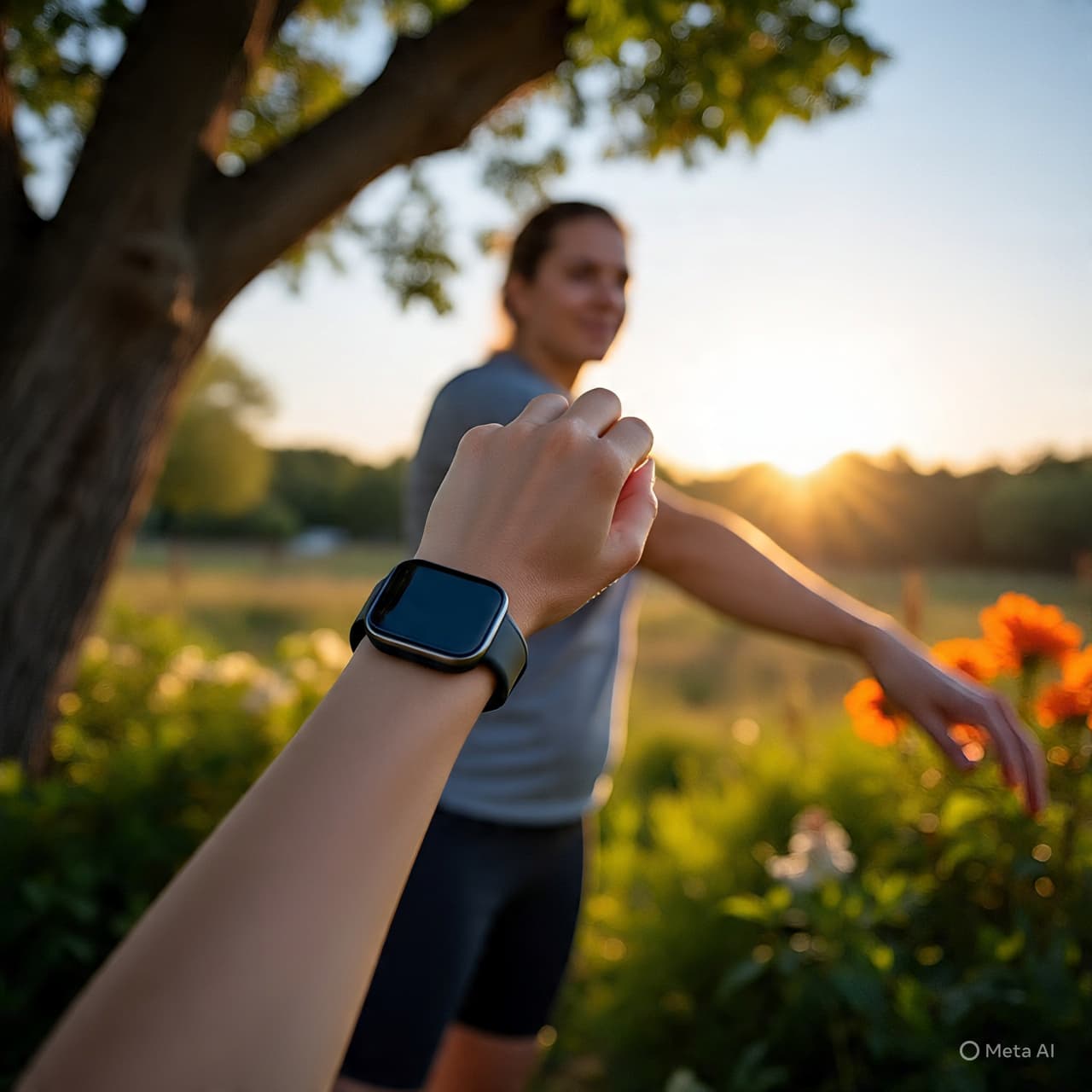
Opening In the quiet rhythms of our morning stretch and the soft sway of an evening walk, there lies a secret often overlooked: the promise of a little more life in the simple acts of living. Like tiny stitches that gradually strengthen a worn fabric, modest changes to our daily habits a few more minutes of sleep, a couple extra minutes spent walking or moving can weave a resilience that carries us gently toward a longer tomorrow. In fresh research unveiled this week, scientists invite us to consider these subtle shifts not as rigid goals, but as small turns of a key that may unlock extra years of living well.
Body The newest findings from health researchers spanning tens of thousands of participants across Europe, North America, and Australia suggest that longevity doesn’t always demand grand gestures. In fact, merely extending your sleep by about five minutes and adding roughly two minutes of moderate physical activity, like brisk walking or taking the stairs, correlates with measurable gains in life expectancy for many people.
This research, published in eClinicalMedicine, looked at the combined impact of daily sleep, physical activity and diet, and found that small improvements across these areas were associated with both longer life and more years free from chronic disease. Participants who adopted modest increases in all three habits tended to live longer in good health than those who didn’t.
Another study reported in The Lancet found that just five extra minutes of walking per day a time equivalent to a brief detour on a stroll around the neighborhood was associated with approximately a 10 % reduction in premature death among adults who were moderately active. Cutting down daily sitting time by about 30 minutes also showed modest but meaningful benefits for mortality risk.
Experts involved in these studies emphasize that the value lies not only in the statistics but also in the realistic nature of the recommendations. For many, the idea of hitting high exercise targets can feel daunting; yet, the evidence suggests that small steps taken consistently can indeed matter.
It’s important to keep in mind that these findings describe associations rather than strict causation, and that the greatest lifespan gains tend to accompany a broader pattern of healthy lifestyle habits. Still, the hospitable message within this science is one of accessibility: a few extra minutes of movement or rest isn’t just a good idea, it might be a quiet invitation to a longer, healthier life.
Closing As these studies filter into public awareness, they bring with them a gentle reminder that life’s rhythms are often shaped by the simple notes we repeat each day. A touch more sleep, a slightly longer walk, a bit less time seated these are not prescriptions of perfection, but rather humble suggestions grounded in emerging evidence. In an era when health advice can feel overwhelming, this research reframes longevity as a tapestry woven with many small threads rather than single, dramatic leaps.
AI Image Disclaimer (Rotated Wording) “Images in this article are AI-generated illustrations, meant for concept only.”
Main credible sources found:
ABC News (Australia) El País English edition The Australian / The Lancet study reports India Today (health) Harvard Health
Published by Banx Network. This article is part of the Banx decentralized media programme, powered by the BXE token on the XRP Ledger.