In the swirling excitement and rising anticipation for the 2026 FIFA World Cup, one detail had begun to cast a shadow over the world’s biggest football fiesta: ticket prices. As fans prepared to secure their seats for matches across the United States, Canada and Mexico, critics argued that the original pricing — which saw even basic tickets far exceed those from previous tournaments — risked putting the spectacle out of reach for many loyal supporters. In response, FIFA has introduced a new lower‑cost ticket tier priced at around £45 ($60) for all 104 matches, including the final — a step officials describe as increasing accessibility but which also reflects pressure from fan groups and national associations.
The innovation — known as the Supporter Entry Tier — arrives amid widespread backlash at earlier pricing that saw the cheapest available seats for some matches starting well above £100 and finals tickets initially slated at several thousand pounds. The new £45 option, while modest in number relative to overall stadium capacity, represents about 10 % of each participating member association’s allocation and is intended to ensure a limited supply of more affordable tickets for passionate supporters who have stood by their national teams.
The decision reflects more than economics — it captures a tension between commercial opportunity and grassroots fandom. World Cup hosting in 2026 will be historic in scale, with 48 teams competing and record‑breaking global interest, drawing millions of ticket requests. But soccer’s governing body heard the message from supporters loud and clear: price points previously announced were too steep for many fans who cherish the tradition of following their teams in person. The new £45 tier is designed as a concession aimed at balancing that demand with fairness, while reaffirming the World Cup’s broad appeal beyond exclusive or premium seating.
Yet the tweak in pricing is limited in scope. With each national association only able to distribute a fraction of its tickets at this lower price — and only to members or loyal supporters identified through official channels — most fans will still face the standard tiers, which include significantly higher costs for many matches. Still, for a portion of supporters this represents a meaningful opportunity to experience football’s grandest stage without the financial barrier that critics had decried.
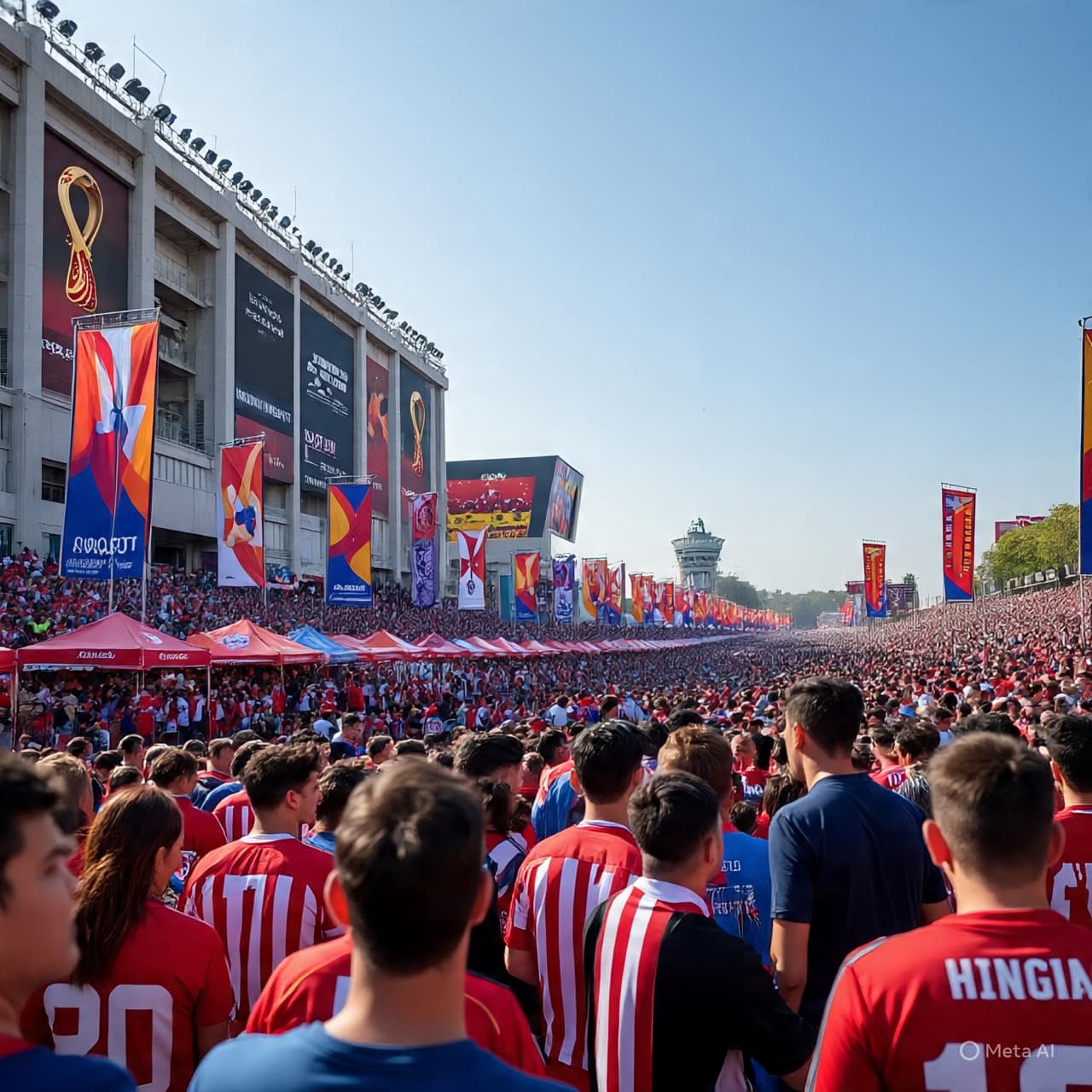
Commentators note that this is not just about cost; it’s also about perception and belonging. The World Cup thrives on the colour and energy that travelling supporters bring — the flags, chants and camaraderie that transform stadiums into global gatherings. By introducing a ticket tier at about £45, FIFA has acknowledged the value of retaining that grassroots connection, even as it grapples with commercial imperatives and the realities of staging a tournament across three nations.
As the clock ticks down to June 11 2026, when the opening whistle will blow, this new pricing tier will be one of many details fans around the world consider in planning their journeys. For some, the chance to sit among fellow supporters and take in the roar of the crowd will now feel that bit more attainable, even as the broader ticketing landscape remains competitive and costly. And for the world of football, the conversation over pricing and inclusivity is likely to continue long after the final is played.
AI Image Disclaimer Visuals are created with AI tools and are not real photographs and serve as conceptual representations.
Sources: Reuters (via Sky Sports, Yahoo News, Goal.com US) and related reporting on FIFA ticket pricing changes.
Published by Banx Network. This article is part of the Banx decentralized media programme, powered by the BXE token on the XRP Ledger.