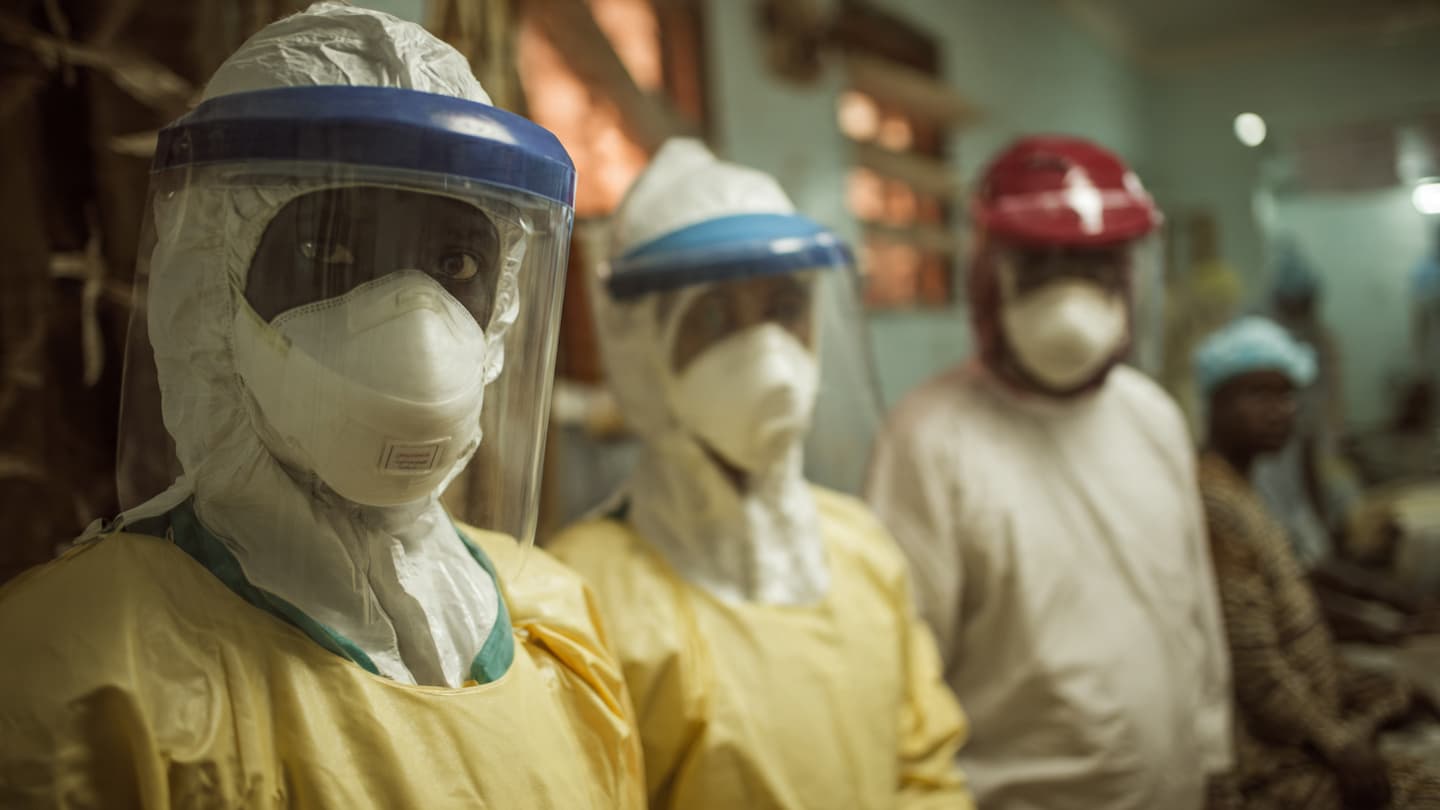
Public health emergencies often arrive quietly at first, beginning with isolated symptoms before expanding into broader concern. In Uganda this week, health authorities confirmed several new Ebola cases, prompting the World Health Organization to increase regional monitoring and preparedness efforts across East Africa.
Ugandan officials stated that infected individuals were identified through ongoing surveillance systems designed to detect outbreaks quickly. Medical teams have since begun contact tracing procedures while isolating confirmed cases to reduce the risk of wider transmission.
The Ebola virus remains one of the world’s most dangerous infectious diseases, known for causing severe hemorrhagic fever with high fatality rates in some outbreaks. However, advances in emergency response systems, medical coordination, and vaccine development have improved international preparedness significantly compared to previous decades.
The World Health Organization emphasized that early detection remains critical in preventing larger outbreaks. Neighboring countries have also strengthened border screening measures and hospital readiness programs as part of regional containment coordination.
Uganda has faced Ebola outbreaks before and possesses considerable experience managing emergency health responses. Previous containment efforts demonstrated the importance of rapid communication between local communities, medical workers, and international health agencies during periods of heightened risk.
Public information campaigns are now being expanded in affected areas to encourage early reporting of symptoms and safe health practices. Health officials continue stressing that transparency and community cooperation are essential components of effective outbreak control.
Medical researchers also continue studying how environmental change, population movement, and wildlife interaction influence the emergence of infectious diseases. Many outbreaks in recent decades have highlighted the growing importance of international cooperation in global health security.
Although concerns remain serious, experts caution against panic. Current reports indicate that response systems were activated relatively quickly, which may help reduce the likelihood of broader regional spread if containment measures remain effective.
As Uganda and international agencies continue monitoring the situation, the outbreak serves as another reminder of how interconnected modern public health has become. Diseases crossing borders can affect entire regions rapidly, making preparedness, trust, and scientific coordination increasingly important in protecting global communities.
AI Image Disclaimer: Some visuals used alongside this article are AI-generated representations created for public health editorial purposes.
Sources Al Jazeera Reuters World Health Organization Associated Press
Published by Banx Network. This article is part of the Banx decentralized media programme, powered by the BXE token on the XRP Ledger.

.jpg&w=3840&q=75 "Qantas Grounds Plane After Passengers Report Bedbug Bites")