Disease outbreaks often begin quietly, moving through communities long before the wider world fully notices their presence. Yet when infections spread rapidly, concern can travel just as quickly across borders and institutions. That sense of urgency emerged again after the head of the World Health Organization expressed concern over the “scale and speed” of a growing Ebola outbreak.
WHO officials said the outbreak’s expansion required immediate attention from health authorities and international partners. Ebola, a severe and often deadly viral illness, has historically posed major challenges in regions with limited medical infrastructure and fragile healthcare systems.
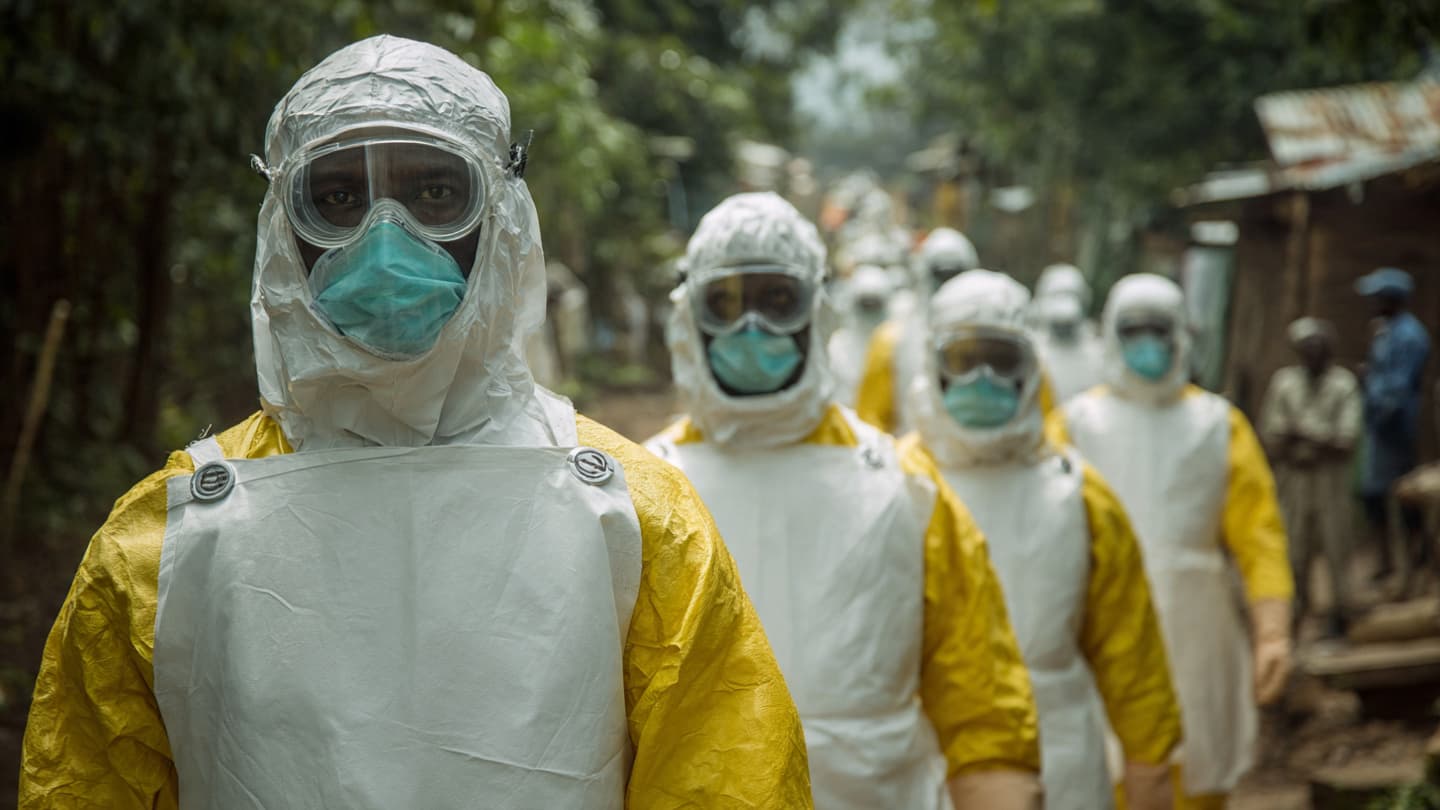
Public health teams typically respond to Ebola outbreaks through rapid testing, patient isolation, contact tracing, and community awareness campaigns. Containing the virus often depends heavily on early detection and coordinated local response efforts.
The WHO chief’s remarks reflected concern not only about infection numbers, but also about how quickly cases appeared to be spreading in affected areas. Health experts say outbreaks can become more difficult to control when medical resources are stretched or when remote regions complicate emergency response logistics.
Ebola outbreaks have repeatedly tested international health systems over the past decade. The large West African epidemic between 2014 and 2016 left lasting lessons about preparedness, international cooperation, and the importance of rapid intervention.
Medical researchers have since developed vaccines and treatment approaches that improved response capabilities compared with earlier outbreaks. However, experts caution that successful containment still depends on distribution access, local trust, and consistent healthcare coordination.
Humanitarian organizations often face additional challenges during outbreaks linked to conflict, displacement, or weak infrastructure. Communities affected by Ebola may struggle with fear, economic disruption, and limited access to routine medical care alongside the virus itself.
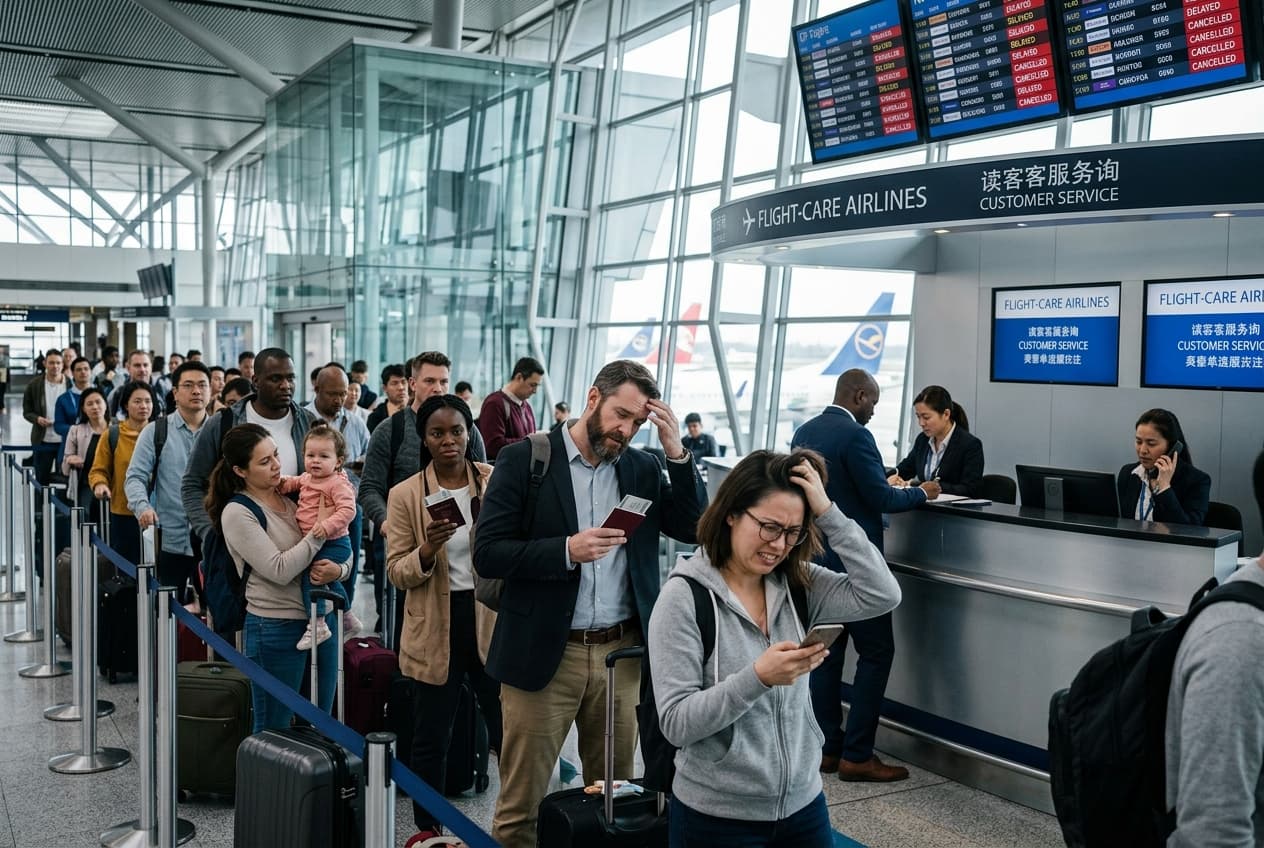
Global health officials continue emphasizing that infectious disease outbreaks remain international concerns even when initially concentrated in specific regions. Modern travel networks and humanitarian conditions can influence how quickly diseases spread or gain broader attention.
The WHO says monitoring and response efforts are continuing as authorities work to contain the outbreak. While health officials expressed concern over the outbreak’s pace, they also stressed that coordinated medical intervention remains essential for limiting further transmission.
AI Image Disclaimer: Some health-related visuals accompanying this article were generated using AI-assisted illustration technology.
Sources: World Health Organization, Reuters, BBC Health, Associated Press, UNICEF health reporting
Published by Banx Network. This article is part of the Banx decentralized media programme, powered by the BXE token on the XRP Ledger.