Key Highlights
- Renewed tariff threats from Trump stir unease in financial markets.
- The 'Sell America' trade reflects investor fears of inward-looking U.S. policies.
- Market reactions indicate sensitivity to uncertainty rather than panic.
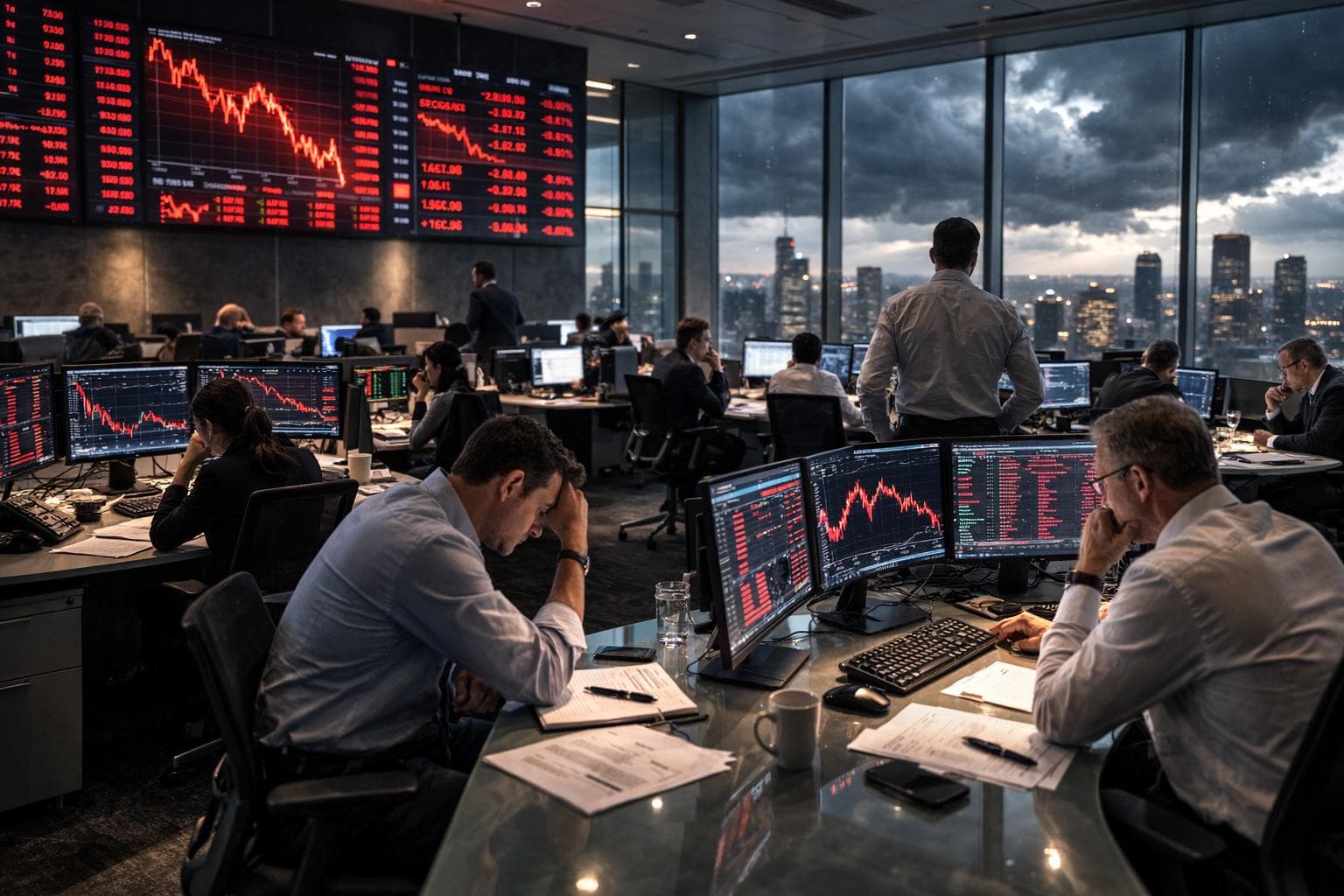
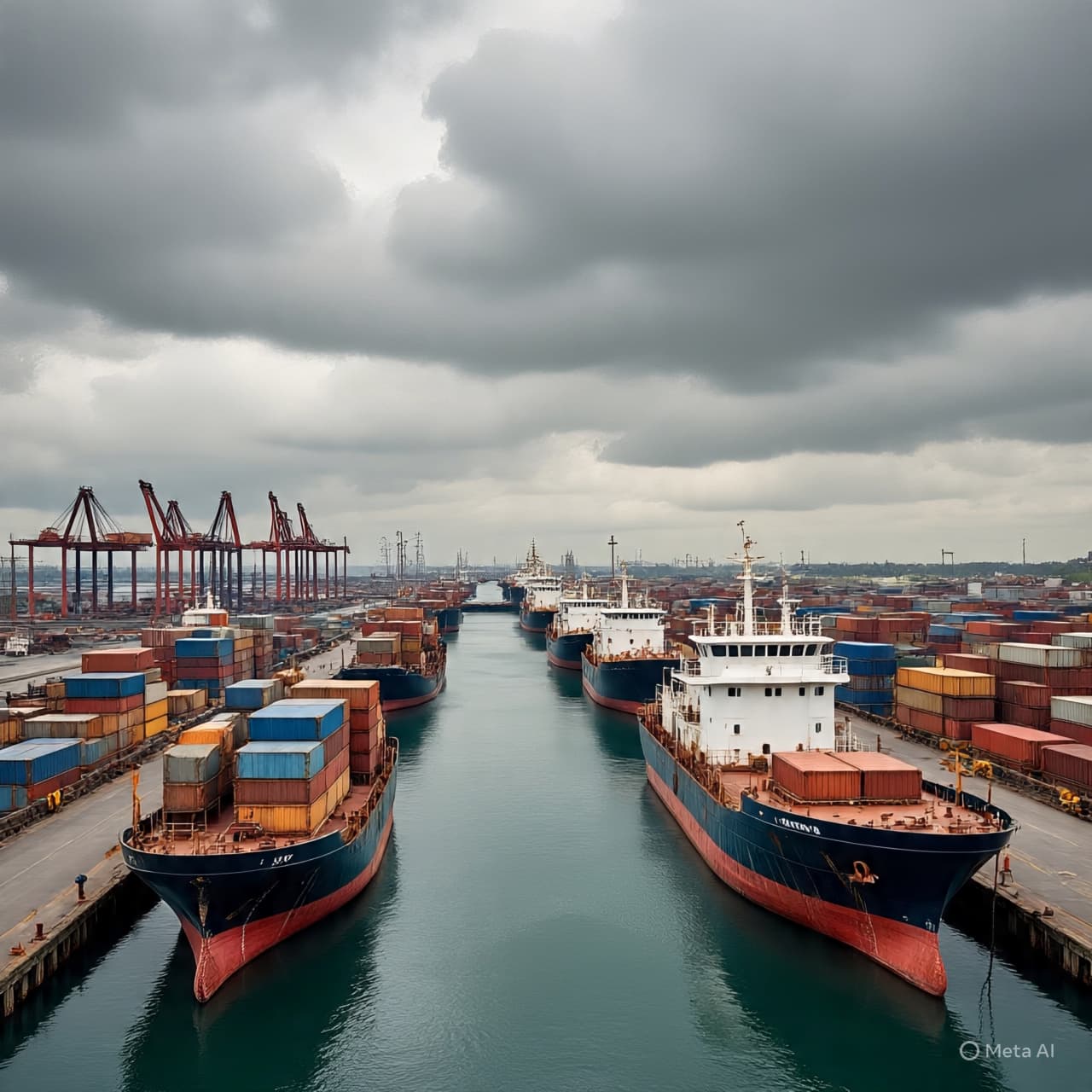
The financial markets have a remarkable ability to remember past events, particularly those that have shaped investor sentiment and behavior. Recently, renewed tariff threats from former President Donald Trump have resurfaced, prompting concerns about a so-called 'Sell America' trade. This phrase, which gained traction during previous trade confrontations, encapsulates the anxiety investors feel when aggressive rhetoric threatens to disrupt global supply chains and investor confidence.
The core issue is not merely the potential for tariffs but what they signify: friction in trade relations that introduces uncertainty into pricing, planning, and profit forecasts. Investors, who thrive on predictability, often react to such uncertainty by repositioning their portfolios. Although no tariffs have been enacted and no formal policy changes have occurred, the mere discussion of these threats has led to a renewed scrutiny of U.S. assets, particularly equities, the dollar, and long-dated government debt, which are typically viewed as stable investments.
The concept of a 'Sell America' trade is straightforward in theory but complex in execution. When investors perceive that U.S. policies may become more inward-looking or unpredictable, they often seek diversification. This can lead to a rotation of funds toward alternative currencies, foreign equities, or commodities that are seen as less vulnerable to trade disruptions. The current market environment, characterized by elevated interest rates, uneven global growth, and geopolitical tensions, makes this sensitivity even more pronounced.
Historically, during Trump's first term, tariff announcements often triggered short-term volatility, especially in sectors closely tied to global supply chains. Over time, however, markets adapted; companies adjusted their sourcing strategies, and investors recalibrated their expectations. This historical context shapes current interpretations of market reactions. Investors are not merely responding to new threats but are instead influenced by past experiences, leading to a cautious approach in the face of potential policy shifts.
Despite the current unease, it is important to note that confidence in U.S. markets has not collapsed. American assets remain highly liquid, institutionally trusted, and central to the global financial system. However, confidence is not an absolute state; it can fluctuate, particularly in response to changing perceptions of risk and uncertainty.
In this environment, the rhetoric surrounding trade can blur into broader concerns about predictability in various areas, including regulation, diplomacy, and fiscal policy. Markets often price these uncertainties quietly, sometimes even before the headlines catch up with the reality.
At present, market movements are measured. While volatility has increased, it has not reached alarming levels. Positioning has shifted, but a complete reversal is not evident. The current situation tests fears rather than confirms them, highlighting a crucial lesson of modern markets: words can have a more immediate impact than policies or facts.
As tariff threats re-emerge in discussions, investors are not merely speculating on outcomes; they are actively managing their exposure to uncertainty—a commodity that, once introduced, tends to persist longer than anticipated.
Published by Banx Network. This article is part of the Banx decentralized media programme, powered by the BXE token on the XRP Ledger.