
Key Highlights
- Rosemary is recognized for its anti-inflammatory properties.
- The herb contains compounds like rosmarinic acid and carnosic acid.
- Incorporating rosemary into a balanced diet can enhance overall health.
[The Health Benefits of Rosemary]
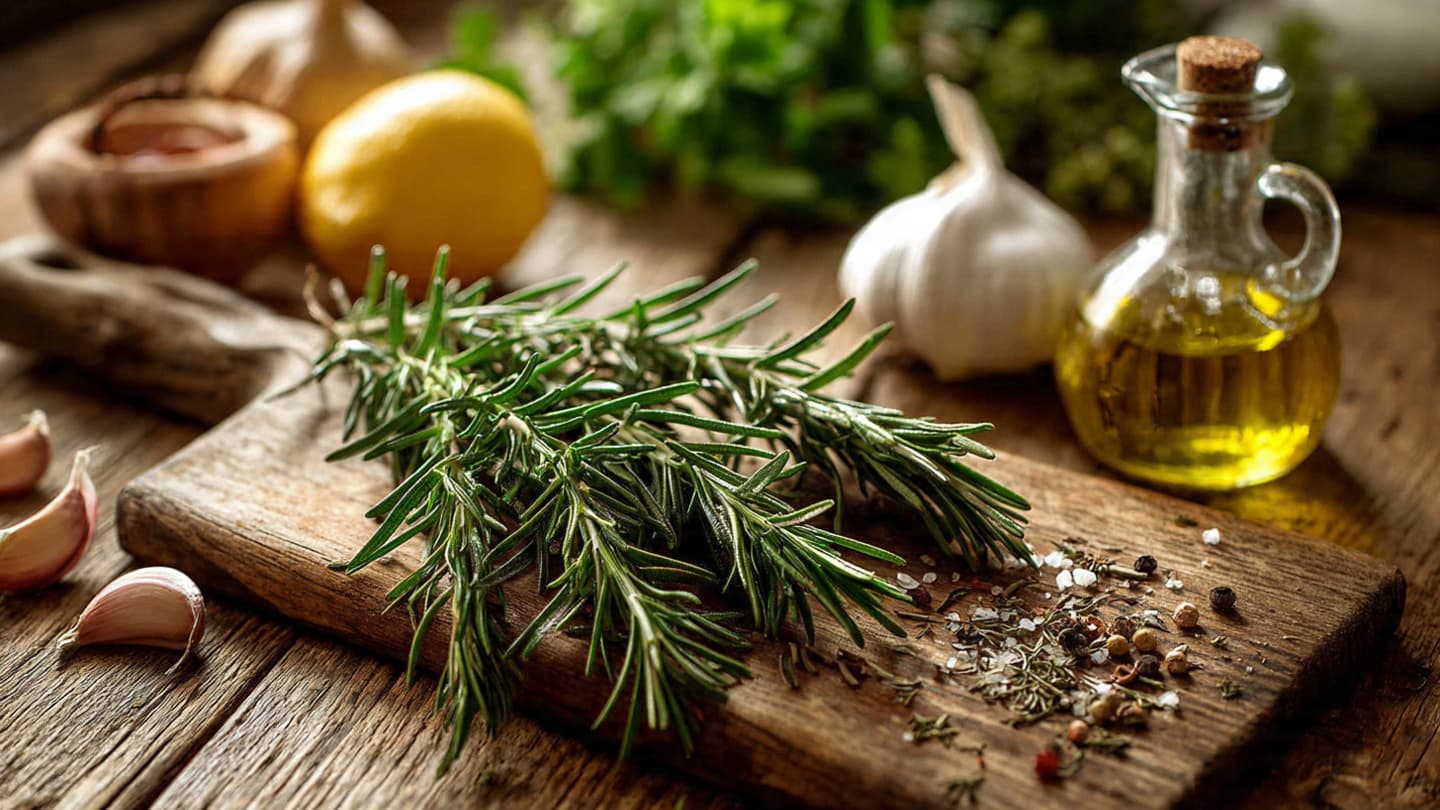
Sometimes the most familiar ingredients carry stories that extend far beyond the kitchen. A sprig of rosemary resting beside a meal may appear simple, yet nutrition experts say it represents a growing interest in how everyday foods can contribute to long-term health. In the conversation about inflammation, this aromatic herb has recently received renewed attention.
Dietitians have identified rosemary as one of the leading herbs associated with anti-inflammatory benefits. The recommendation stems from the herb's naturally occurring compounds, including rosmarinic acid and carnosic acid, which possess antioxidant and anti-inflammatory properties. These compounds are believed to play a significant role in reducing inflammation, a biological response that can become problematic when chronic, leading to conditions such as heart disease and diabetes.
Researchers have studied rosemary's ability to reduce oxidative stress and influence inflammatory pathways within the body. While much of the available research remains ongoing, findings suggest the herb may support broader efforts to maintain overall health. For instance, studies indicate that rosemary may help mitigate the effects of oxidative stress, which is linked to various chronic diseases.
Nutrition experts emphasize that no single food or herb serves as a complete solution. Rather, rosemary is most effective when incorporated into a balanced dietary pattern rich in fruits, vegetables, whole grains, and other nutrient-dense foods. This holistic approach to nutrition is essential for achieving optimal health outcomes.
One reason rosemary has attracted attention is its accessibility. It can be used fresh or dried in a variety of dishes, making it a practical addition to everyday meals. Its culinary versatility allows consumers to incorporate it into their diets without major changes in eating habits. From roasted vegetables to marinades, rosemary can enhance flavor while providing health benefits.
Scientists are also exploring whether rosemary may have additional applications related to cognitive health, anxiety management, and pain reduction. However, experts caution that more human studies are needed before drawing firm conclusions. The potential for rosemary to impact mental health and cognitive function is an exciting area of research that could further validate its role in modern nutrition.
Healthcare professionals advise consumers to view nutrition as part of a broader lifestyle approach. Regular exercise, adequate sleep, stress management, and a balanced diet remain key factors in supporting healthy inflammatory responses. For those looking to enhance their meals while supporting overall wellness, rosemary offers a simple example of how traditional culinary ingredients continue to find relevance within modern nutrition science.
Published by Banx Network. This article is part of the Banx decentralized media programme, powered by the BXE token on the XRP Ledger.



