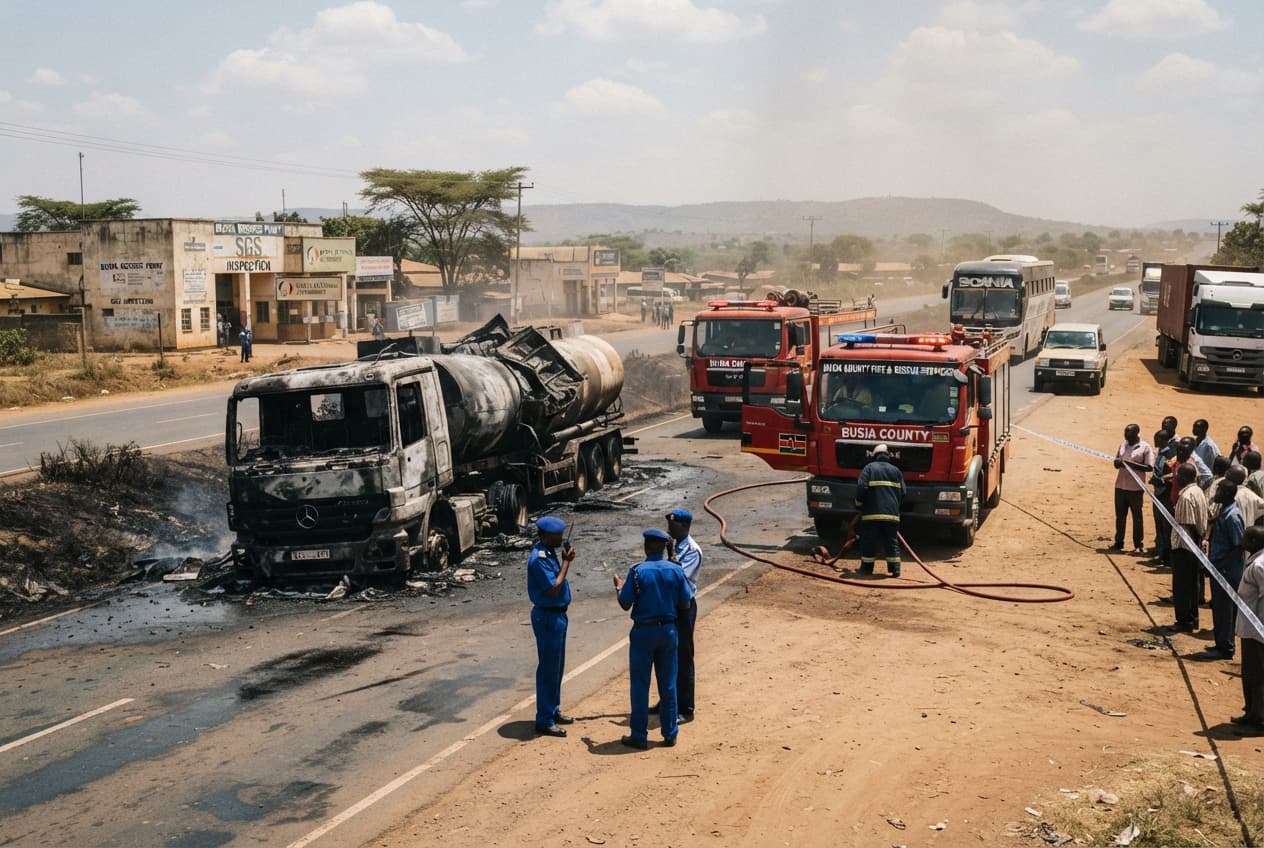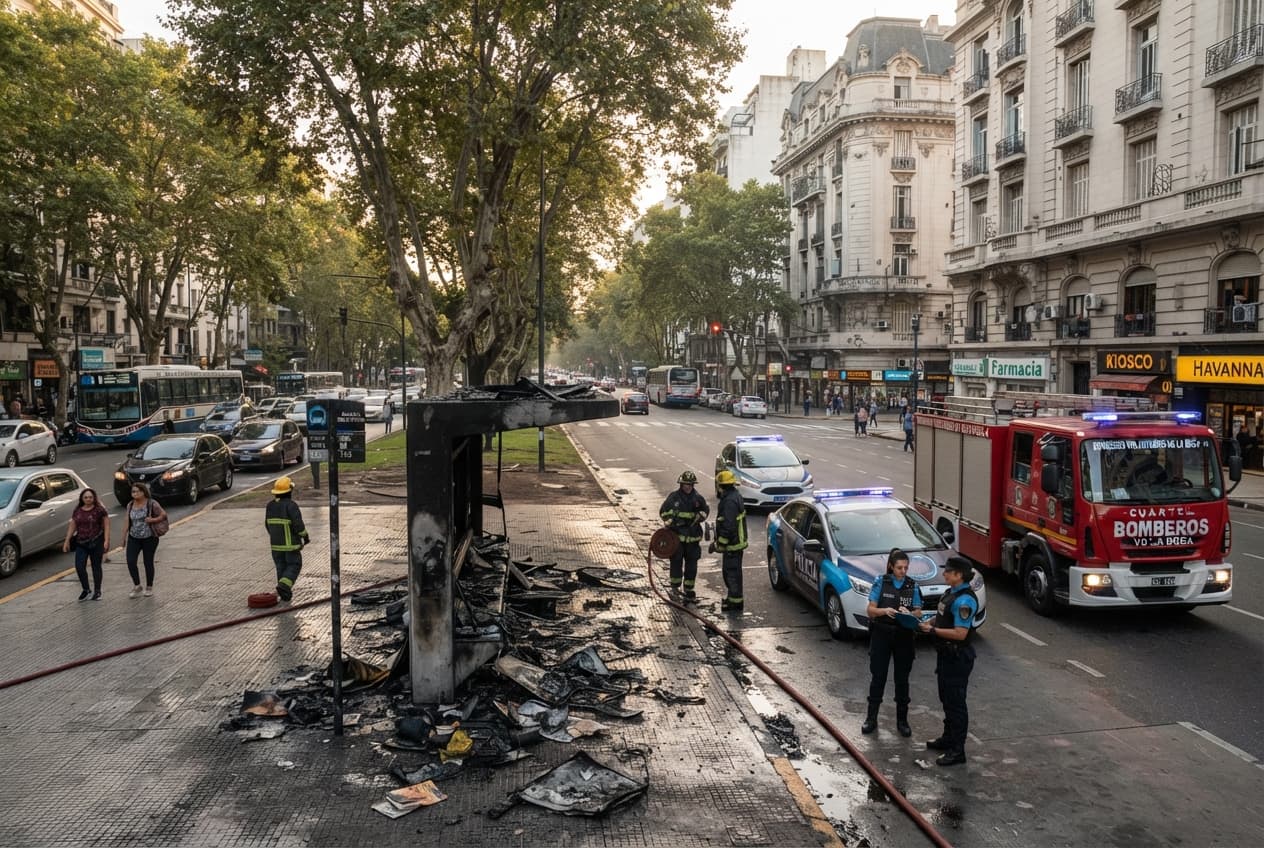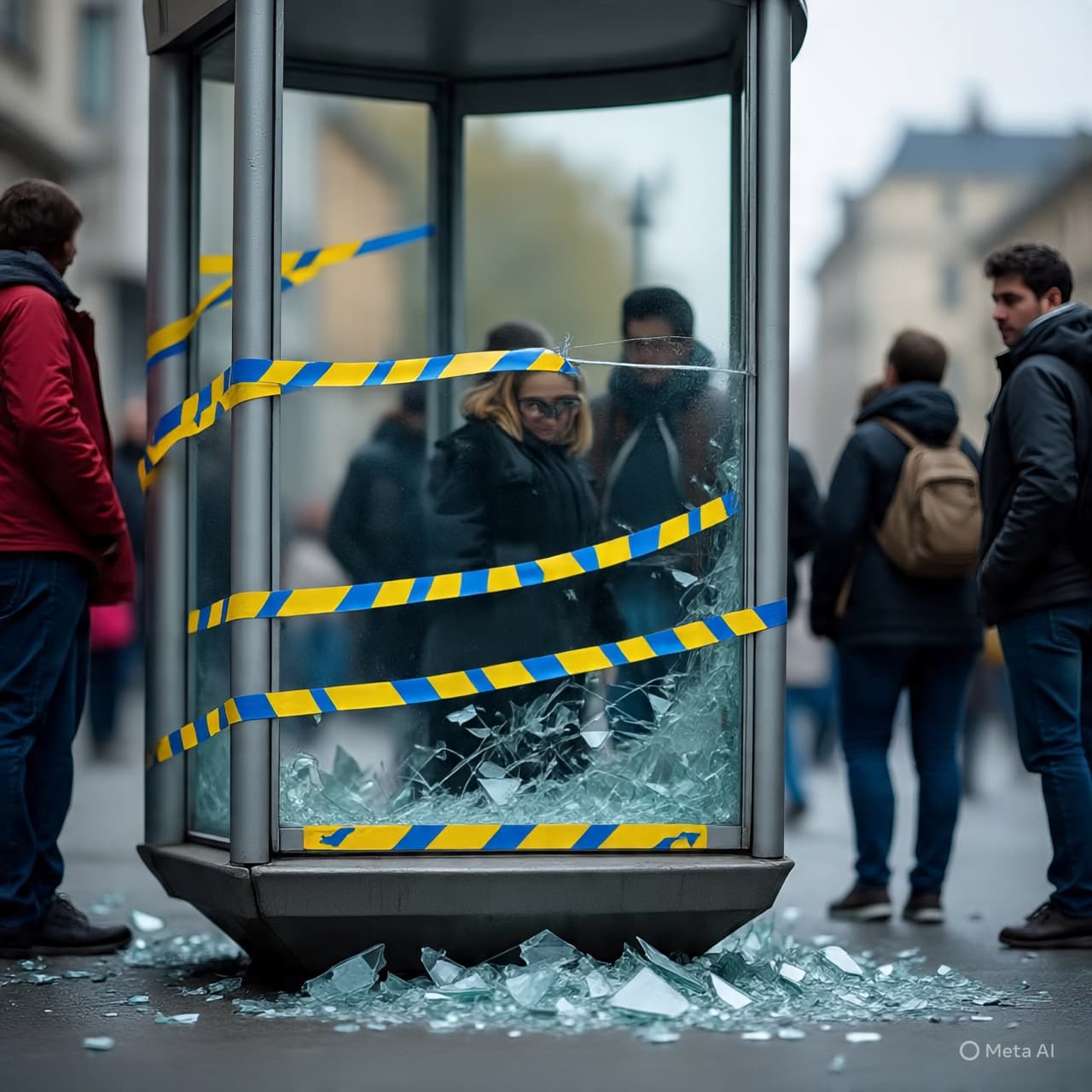
On a broad city street in the heart of Stockholm, one of those everyday frames of movement and pause was shattered. In the gentle afternoon light, a double-deck bus—silent of passengers, still in its off-service state—lost the route it seemed to hold, and instead entered a space of waiting. The bus stop was a place where lives intersected quietly: someone checking a phone, someone glancing at the time, someone perhaps lost in a thought. Then, in a moment, the ordinary became the unimaginable.
In the body of the city’s rhythm, the crash on Valhallavägen near the Royal Institute of Technology in the Östermalm district fractured more than metal. Authorities say three people were killed and three injured when the bus rammed into a bus stop shelter—though some reports say up to six casualties. The driver has been detained and the incident is being treated as involuntary manslaughter; officials emphasise there is no indication of a deliberate attack.
Yet while the legal categorisation is calm and procedural, the human moment is not so easily shaped into law. Eyewitnesses spoke of chaos: stunned bodies, friends or strangers kneeling, the echo of screams. For those whose evening plans were still fragile—waiting for a bus home, standing between routine and rest—the crash became a rupture in the ordinary. The street, so often a thread in the fabric of urban life, became a scene of trauma and grief.
In the aftermath, the city paused. The prime minister of Sweden, Ulf Kristersson, expressed his condolences: the victims were “perhaps on their way home to family, friends, or a quiet evening at home.” The bus itself remains off-service, the shelter damaged, the street cordoned. Investigations will ask what went wrong—mechanical fault, human error, or other meeting of conditions—but for now the question echoes in the space of waiting rather than the motion of transit.
And so the city watches as its veins of movement momentarily hesitate. The bus stop, so simple in its design and purpose, holds now a story of interruption. Families sit with unanswered questions. A driver faces scrutiny. Passers-by whisper about what might have been. The metaphors of transit—journeys begun, destinations reached, connections made—feel heavy with possibility now interrupted. The stop where one boards becomes the site where life paused without permission.
AI Image Disclaimer “Illustrations were produced with AI and serve as conceptual depictions.”
Sources: Reuters The Associated Press Al Jazeera Euronews Indian Express
Published by Banx Network. This article is part of the Banx decentralized media programme, powered by the BXE token on the XRP Ledger.