Sometimes history’s heavy doors swing open with the slow patience of early morning light — not with clamor, but with that quiet promise that a long night is nearing its end. In recent days, Belarus witnessed just such a moment: the release of 123 prisoners, a collective exhale that rippled through families, streets, and the wider sphere of international relations. This gesture unfolded at the same moment the United States lifted certain sanctions against Minsk, a diplomatic exchange that has stirred both cautious hope and reflective pause.
Belarus, a nation positioned between the crossroads of power and protest, has long lived under the weight of geopolitical scrutiny. This chapter began with negotiations between Belarusian officials and U.S. representatives over lingering sanctions tied to human rights concerns and economic pressures. Those sanctions included restrictions on Belarus’s significant potash export, an industry deeply woven into the country’s economic fabric. After sustained diplomatic dialogue, Washington announced it would lift those sanctions — an act that coincided with Belarus’s pardon and release of dozens of detainees.
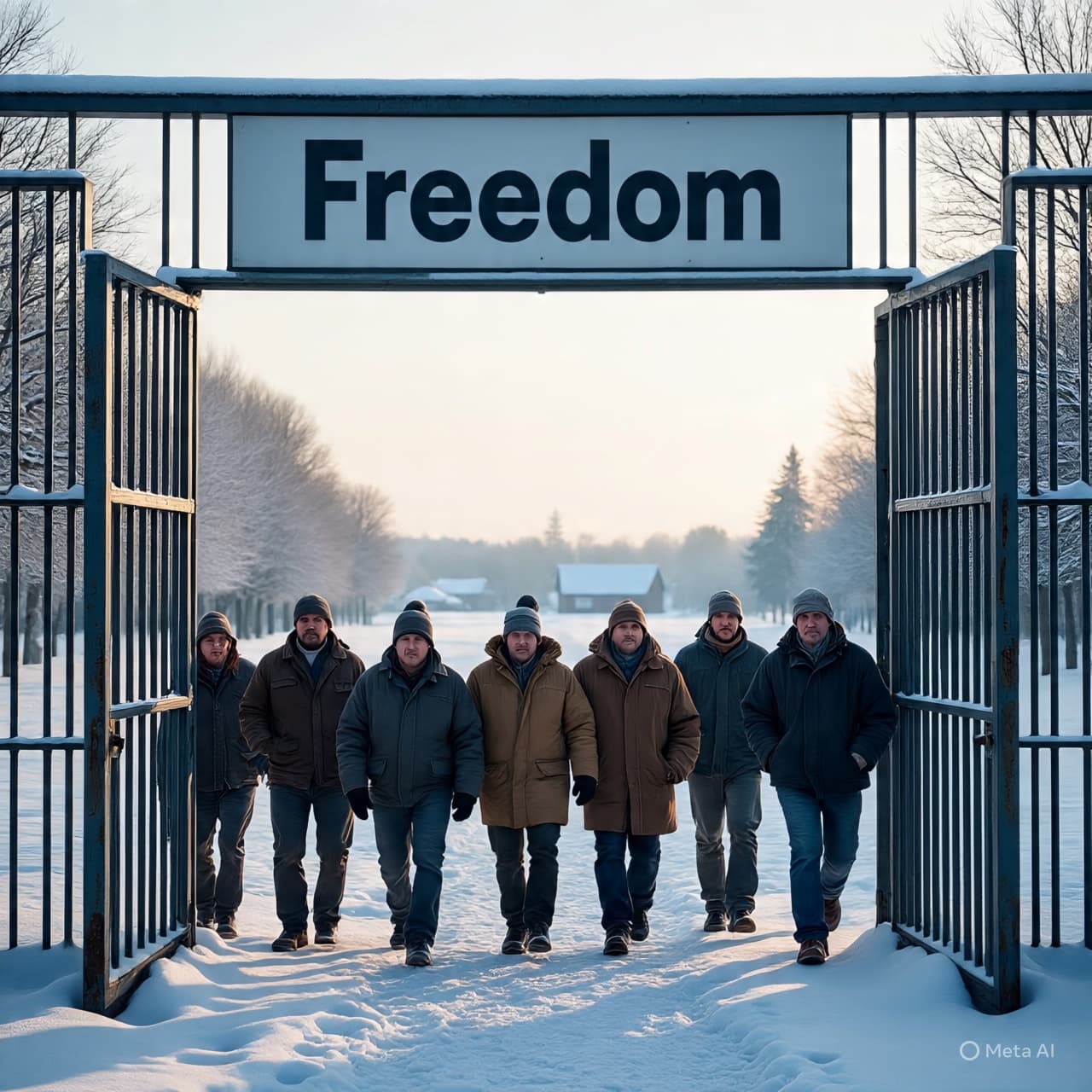
Among the freed was Nobel Peace Prize laureate Ales Bialiatski, whose decades-long advocacy for human rights made him a symbol of persistent struggle. With him walked others whose names have become familiar through the stories of resistance and resilience that emerged from within prison walls. For families who have waited years, the sight of their loved ones stepping beyond barred doors brought moments of overwhelming relief and reconnection.
Yet beyond the personal reunions lies a broader conversation. The lifting of sanctions is not merely a transactional shift but a potential turning point in a landscape marked by tension and negotiation. Diplomacy’s gestures are often like ripples on a still lake: each movement suggests change, yet the depth and direction remain shaping beneath the surface. Some observers see in these developments a sign of thawing relations and renewed possibility. Others wonder whether this is a strategic pause, a recalibration rather than a transformation.
In bustling city squares and quiet living rooms, conversations now carry a blend of optimism and cautious reflection. What does it mean when political pressure eases in tandem with the release of those once silenced? For many, this is a chapter to be welcomed — a softening of walls that once seemed immovable. And yet, the work of accountability, reform, and genuine dialogue continues beyond the headlines.
As these freed individuals walk into a winter light that feels new and tentative, the world watches with attentive curiosity. In the unfolding of these small yet meaningful moments, we are reminded that history’s broadest narratives often pass first through personal doorways.
AI Image Disclaimer Visuals are created with AI tools and are not real photographs.
SOURCE CHECK Reuters Al Jazeera Associated Press (AP) The Guardian Radio Free Europe / Radio Liberty (RFERL)
Published by Banx Network. This article is part of the Banx decentralized media programme, powered by the BXE token on the XRP Ledger.