
Key Highlights
- Ukraine's President Volodymyr Zelensky suggests potential involvement in securing the Strait of Hormuz.
- The Strait is a critical passage for global oil shipments, impacting economies worldwide.
- Ukraine aims to strengthen defense ties with Gulf nations amid evolving geopolitical dynamics.
[Ukraine's Strategic Role in Global Shipping]
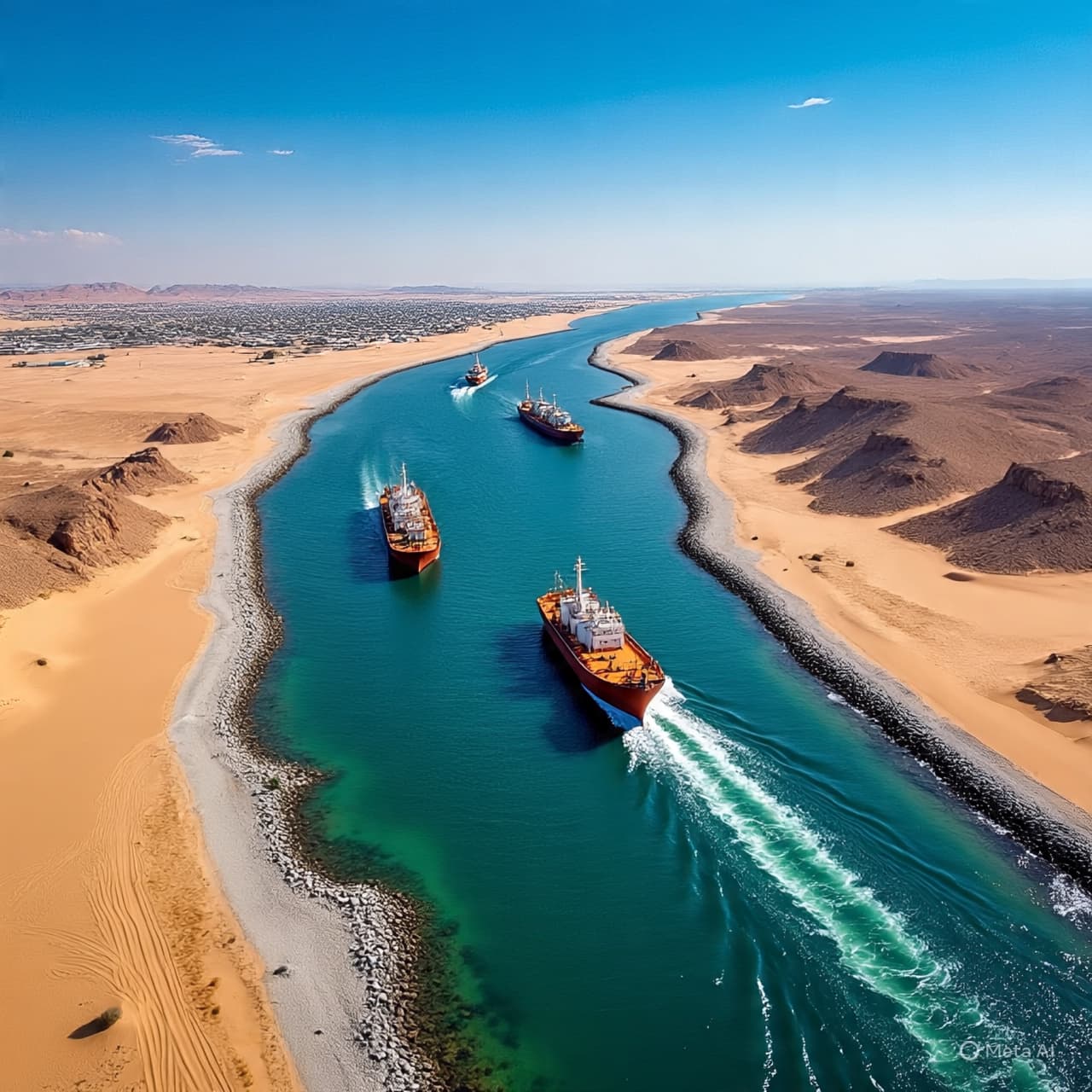
The Strait of Hormuz, a vital maritime corridor, is where a significant portion of the world's oil supply passes daily. This narrow passage, bordered by Iran and Oman, is crucial for global energy security. Recent comments from Ukrainian President Volodymyr Zelensky indicate that Ukraine may play a role in ensuring the safety and security of this strategic waterway, a move that reflects the interconnected nature of modern geopolitics.
In a statement that has garnered attention, Zelensky linked Ukraine's potential involvement in the Strait of Hormuz to emerging defense agreements with Gulf nations. This suggestion marks a significant shift in Ukraine's foreign policy, as it seeks to extend its influence beyond Europe and into the Middle East. The implications of such a role are profound, as any disruption in the Strait can have cascading effects on global markets and supply chains.
Ukraine's interest in the Strait of Hormuz is not merely about military engagement; it represents a broader strategy to forge alliances based on mutual interests. The Gulf region, rich in resources and strategically positioned, offers Ukraine an opportunity to deepen its defense cooperation and enhance its geopolitical relevance. As Kyiv navigates its ongoing challenges, this outreach could signal a new chapter in its international relations.
The concept of 'opening' the Strait encompasses both practical and symbolic dimensions. Practically, it involves ensuring safe passage for vessels traversing these narrow waters, which is essential for maintaining the flow of oil and gas. Symbolically, it represents a commitment to stability and security in a region fraught with tensions. Zelensky's remarks suggest that Ukraine is positioning itself as a reliable partner in safeguarding this critical maritime route.
However, the specifics of how Ukraine would engage in this endeavor remain unclear. Whether through naval cooperation, advisory roles, or technological support, the details will require careful negotiation and collaboration with Gulf partners. The path from intention to action is often complex, particularly in a region with a history of geopolitical sensitivities.
As Ukraine contemplates its role in the Strait of Hormuz, it must also consider the broader implications of its involvement. The Strait serves as a focal point where regional tensions intersect with global dependencies, and any new actor entering this space must navigate a landscape rich with historical alliances and rivalries. Ukraine's engagement could reshape dynamics in the region, but it also carries risks that must be managed.
In conclusion, President Zelensky's indication that Ukraine may assist in keeping the Strait of Hormuz open reflects a strategic pivot in its foreign policy. By linking this potential role to defense agreements with Gulf nations, Ukraine aims to assert its relevance on a global stage while addressing its own security needs. As the world becomes increasingly interconnected, even distant decisions can have significant repercussions, influencing the flow of energy and power across borders.
Published by Banx Network. This article is part of the Banx decentralized media programme, powered by the BXE token on the XRP Ledger.



