Sometimes history does not announce itself with thunder. It arrives quietly, tucked inside layers of stone, waiting for patient hands and curious minds. In the dry soil of Spain, beneath landscapes shaped by time and sun, a fragment of the distant past has emerged — small enough to rest in the palm, yet large enough to shift how we imagine the age of dinosaurs.
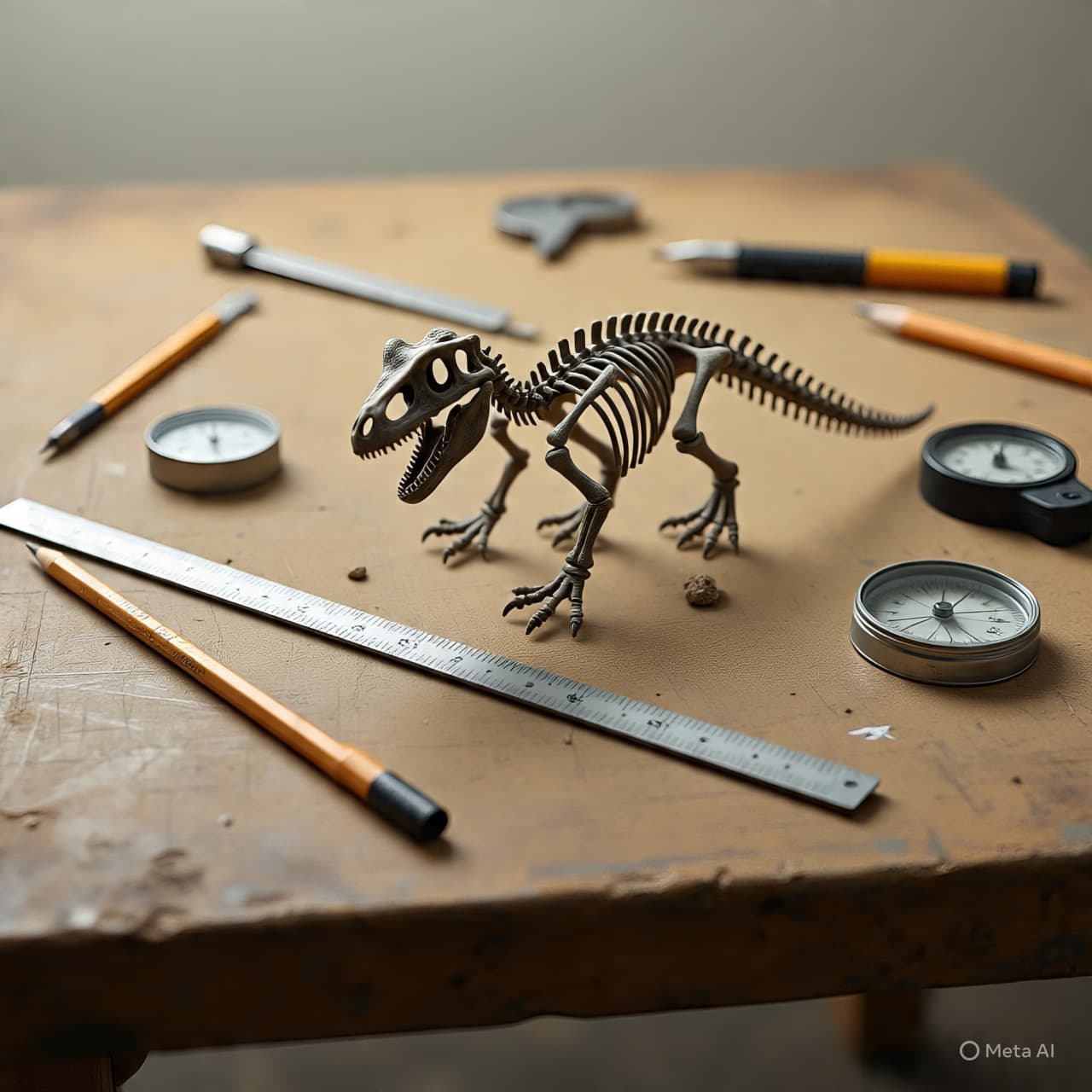
The fossil, recently identified by researchers, belongs to one of the smallest dinosaurs ever discovered. About the size of a modern chicken, it challenges the familiar image of towering giants that dominate popular imagination. This creature lived millions of years ago, moving lightly across its environment, leaving behind delicate bones that somehow survived long after its footsteps faded.
Scientists studying the remains suggest the dinosaur was likely agile, possibly fast-moving, and adapted to a world where size was not always an advantage. Its bones show signs of evolutionary refinement, hinting at a broader diversity among dinosaurs than once believed. Spain, already known for its rich fossil record, continues to reveal that prehistoric life was not defined by scale alone, but by adaptation and variety.
The discovery also adds texture to Europe’s role in dinosaur research. While massive skeletons often capture attention elsewhere, these smaller fossils tell quieter stories — of survival, ecological balance, and niches carved out in ancient ecosystems. Each fragment offers a glimpse into daily life rather than spectacle, reminding scientists that evolution works as much in subtle shifts as in dramatic leaps.
Careful excavation and analysis remain ongoing. Researchers emphasize that such findings require patience, precision, and restraint. Conclusions are built slowly, shaped by evidence rather than excitement. What is clear, however, is that this tiny dinosaur expands the narrative of prehistoric Spain and invites further exploration beneath its soil.
As studies continue, the fossil will be examined alongside others, compared, cataloged, and debated. For now, it stands as a quiet marker of discovery — proof that even the smallest remnants of the past can deepen our understanding of a world long gone, without needing to roar.
AI Image Disclaimer
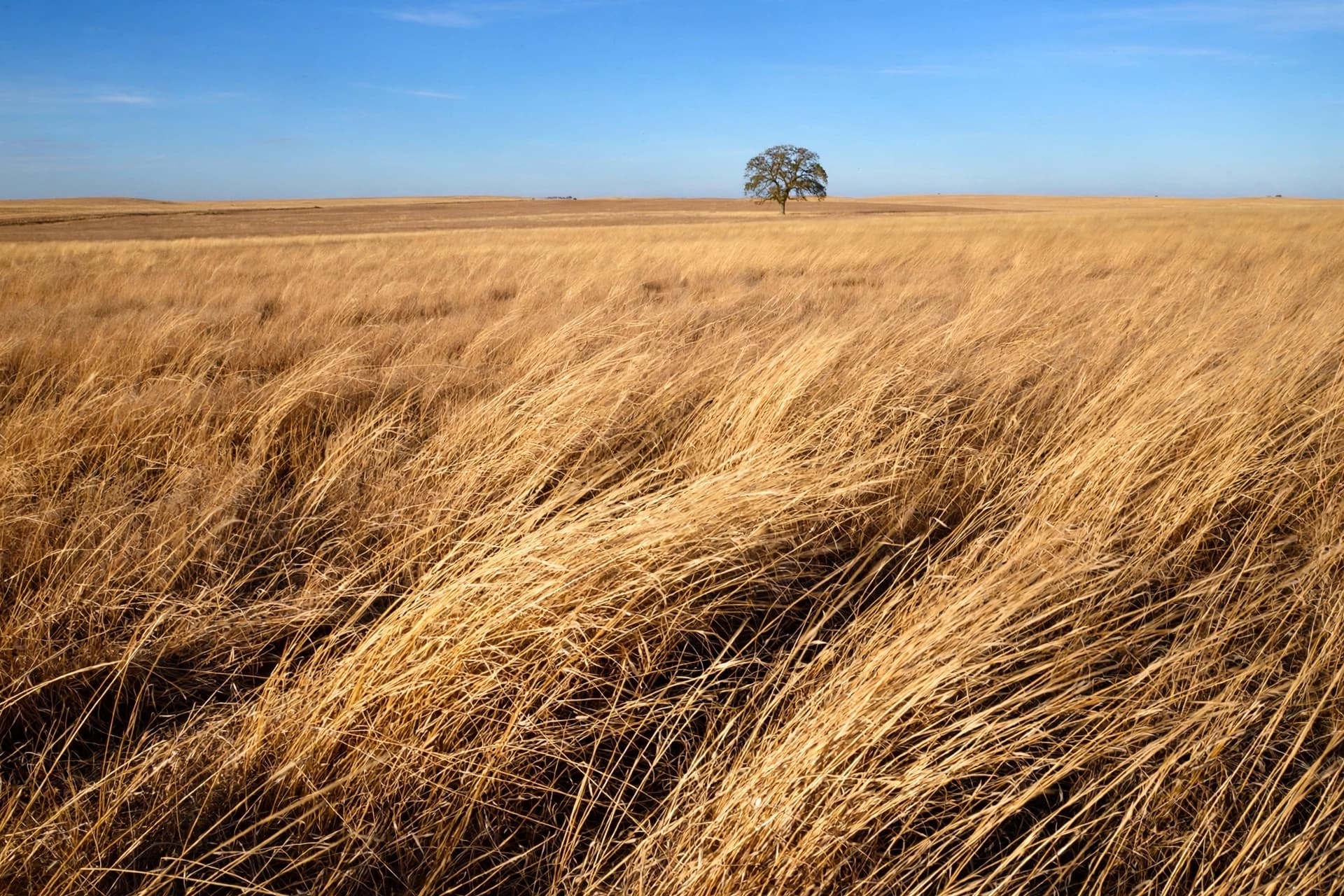
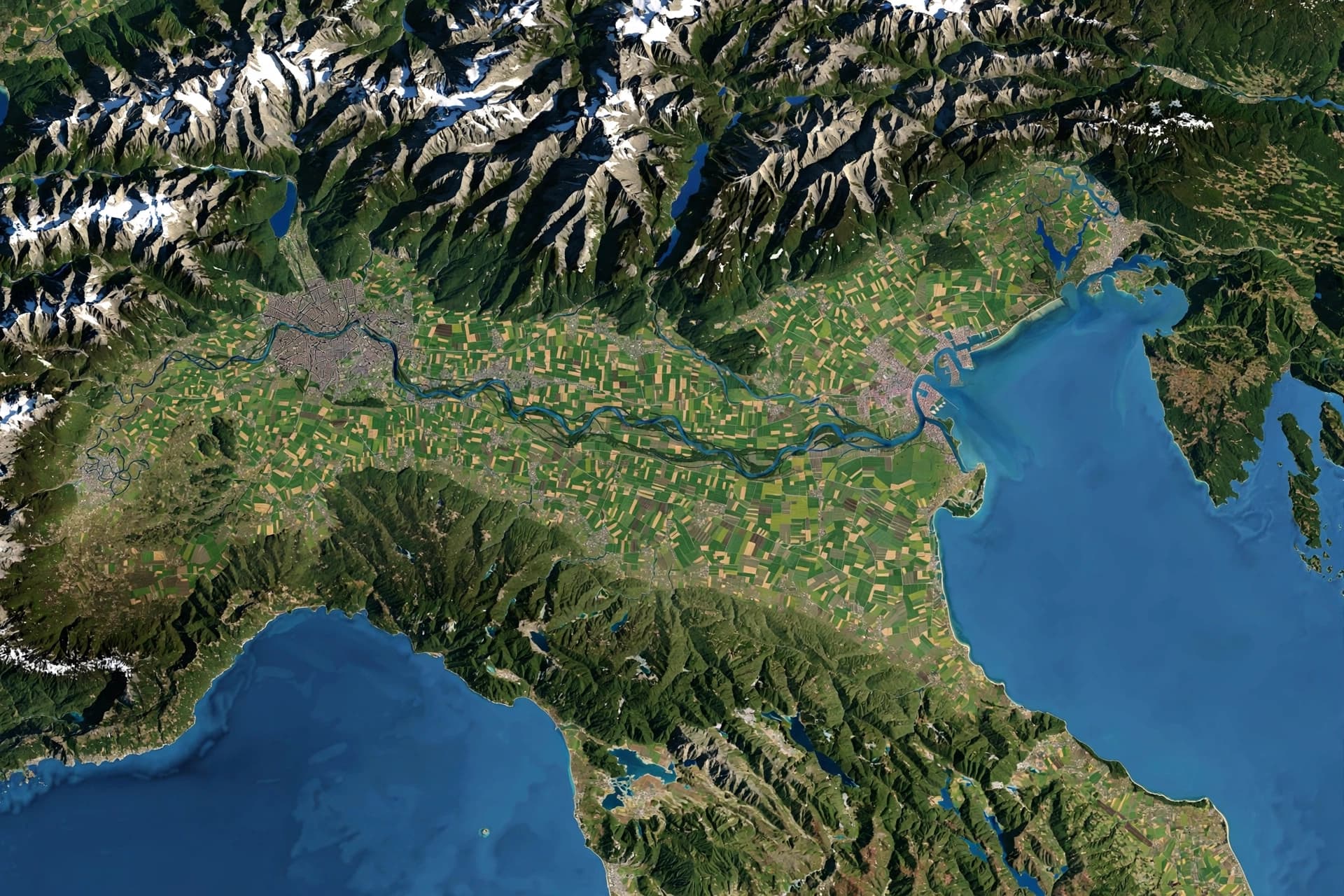
Illustrations were produced using AI technology and are intended as conceptual representations rather than real photographs.
Confirmed mainstream and niche media sources include:
BBC News
National Geographic
Reuters
El País
Nature
Published by Banx Network. This article is part of the Banx decentralized media programme, powered by the BXE token on the XRP Ledger.