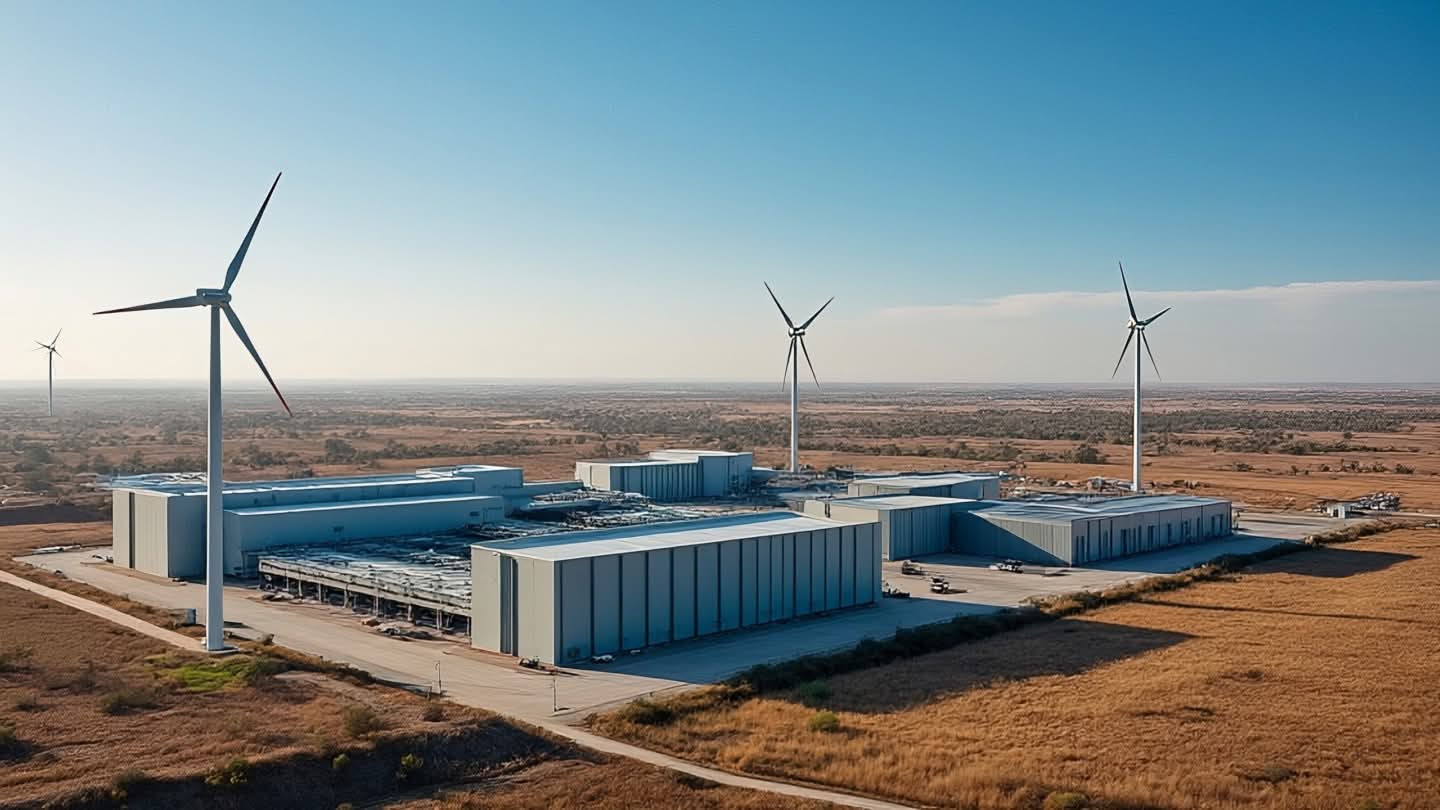
In the vast, sun-drenched landscapes of Texas, where the horizon stretches endlessly and the wind carries whispers of history, a new kind of storm is gathering. It is not one of rain or thunder, but of silicon and steel, as data centers rise like modern monoliths across the rural countryside. For many Texans, these structures represent progress, yet for others, they are harbingers of change that threaten the quiet rhythm of their daily lives. Into this growing debate steps Ken Paxton, with a plan that seeks to balance the demands of the digital age with the preservation of local communities.
The former Texas Attorney General and current U.S. Senate candidate has unveiled a "Texas First" data center initiative, a four-point proposal aimed at mitigating what he describes as the negative impacts of rapid industrial growth. The plan comes at a time when public opposition to data centers is mounting, driven by concerns over water usage, power grid stability, and the transformation of rural neighborhoods. Paxton’s proposal seeks to address these anxieties by introducing stricter regulations and federal protections.
Central to the plan is a call for federal legislation to block the use of Chinese technology in these facilities, a move that aligns with broader national security concerns. By framing the issue through the lens of sovereignty and safety, Paxton aims to resonate with voters who feel that their local interests have been overshadowed by global corporate ambitions. The proposal also includes measures to prohibit the construction of AI data centers in rural residential areas, offering a buffer between industrial expansion and community life.
Critics, however, point to Paxton’s past voting record, noting that he previously supported tax exemptions for the industry. This apparent shift has drawn accusations of political opportunism, with opponents arguing that the plan is an attempt to erase a legacy of deregulation. Yet, for many residents who have watched their landscapes change, the specifics of political history matter less than the immediate need for relief from noise, traffic, and resource strain.
The debate highlights a broader tension in American politics, where the promise of economic growth often clashes with the desire for environmental and social stability. Data centers, essential for the functioning of the modern internet, require immense amounts of electricity and water, resources that are already under pressure in many parts of the country. Finding a way to accommodate this infrastructure without sacrificing the quality of life for local residents is a challenge that extends far beyond Texas.
Paxton’s plan also emphasizes the importance of local control, suggesting that communities should have a greater say in where and how these facilities are built. This approach reflects a growing sentiment that decision-making should be decentralized, allowing those most affected to have a voice in the process. It is a democratic ideal that resonates deeply in a state known for its independent spirit.
As the midterm elections approach, the issue of data centers is likely to remain a flashpoint, with candidates from both parties scrambling to address voter concerns. The outcome of this debate will not only shape the landscape of Texas but also serve as a model for other states grappling with similar challenges. It is a test of whether policy can keep pace with technology.
Ultimately, the "Texas First" plan represents an attempt to navigate the complex intersection of innovation and tradition. Whether it succeeds in calming the fears of rural communities remains to be seen, but it underscores the importance of listening to those who live in the shadow of progress.
AI Image Disclaimer: Please note that any accompanying visuals for this report are AI-generated representations intended to illustrate the context of the event.
Sources: The Washington Post The Texan News El Paso Times Daily Signal
Published by Banx Network. This article is part of the Banx decentralized media programme, powered by the BXE token on the XRP Ledger.