
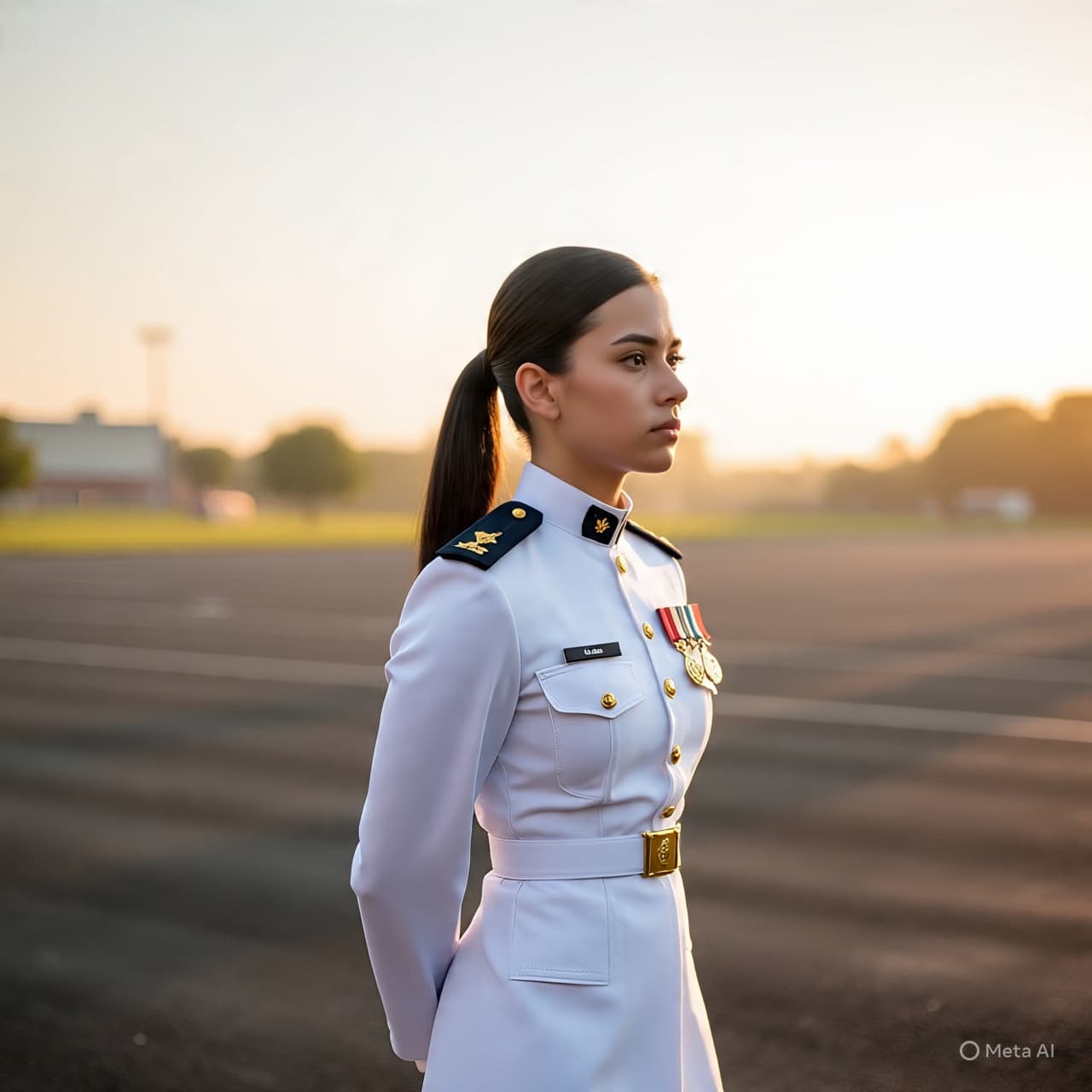
Key Highlights
- Queen Máxima begins military reservist training in the Netherlands.
- The program allows her to balance royal duties with defense responsibilities.
- Her participation symbolizes civic engagement in national security.
Queen Máxima of the Netherlands has embarked on a unique journey, stepping into the structured world of military training as she begins her role as a reservist in the Netherlands Armed Forces. This decision, confirmed by the Dutch royal household, marks a significant shift in her public persona, blending her royal duties with a commitment to national defense. Unlike traditional ceremonial roles, this program is designed for civilians to engage in part-time military service, allowing them to maintain their professional lives while contributing to the country's security.
The reservist program emphasizes flexibility, providing participants with military instruction and physical training while they continue their civilian careers. The initiative aims not to transform civilians into full-time soldiers but to enhance the military's readiness by expanding the pool of trained personnel who can assist during crises or increased operational demands. Queen Máxima's involvement in this program carries considerable symbolic weight, particularly as the Netherlands reassesses its defense strategies in light of a more unpredictable global landscape.
In recent years, discussions surrounding military readiness and societal involvement in national security have gained traction across Europe. Queen Máxima's choice to participate in the reservist program reflects a broader narrative that defense is a collective responsibility, not solely the domain of professional soldiers. Her actions speak volumes, suggesting that civic engagement in national security is essential and that everyone, including royals, can contribute.
Royal officials have clarified that the training will be tailored to accommodate her schedule and security needs, with no expectation for her to serve in combat zones or take on frontline duties. The focus remains on education, preparedness, and participation within appropriate limits. This approach resonates with a historical tradition in which royals maintained close ties to military institutions, serving not just as figureheads but as active participants in defense.
Queen Máxima's decision aligns with a modern interpretation of this tradition, characterized by a quiet commitment to service rather than grandiose displays. There are no elaborate ceremonies or public spectacles accompanying her training; instead, the confirmation of her participation is understated, reflecting a pragmatic approach to her royal responsibilities.
Born in Argentina and naturalized as a Dutch citizen through her marriage, Queen Máxima has consistently advocated for themes of integration and societal contribution. Her choice to become a reservist can be seen as an extension of these values, embodying a personal commitment to shared responsibility in her adopted homeland. While most citizens may never witness her in military attire, the knowledge that she is engaging in the same training available to civilians fosters a sense of connection between the monarchy and the public.
As Europe navigates an era marked by shifting security dynamics, Queen Máxima's training will likely unfold without fanfare, characterized by schedules, assessments, and gradual progress. Yet, beneath this routine lies a profound truth: a queen has chosen to learn what it means to serve, illustrating that sometimes, the most impactful choices are those made quietly, away from the spotlight.
Published by Banx Network. This article is part of the Banx decentralized media programme, powered by the BXE token on the XRP Ledger.



