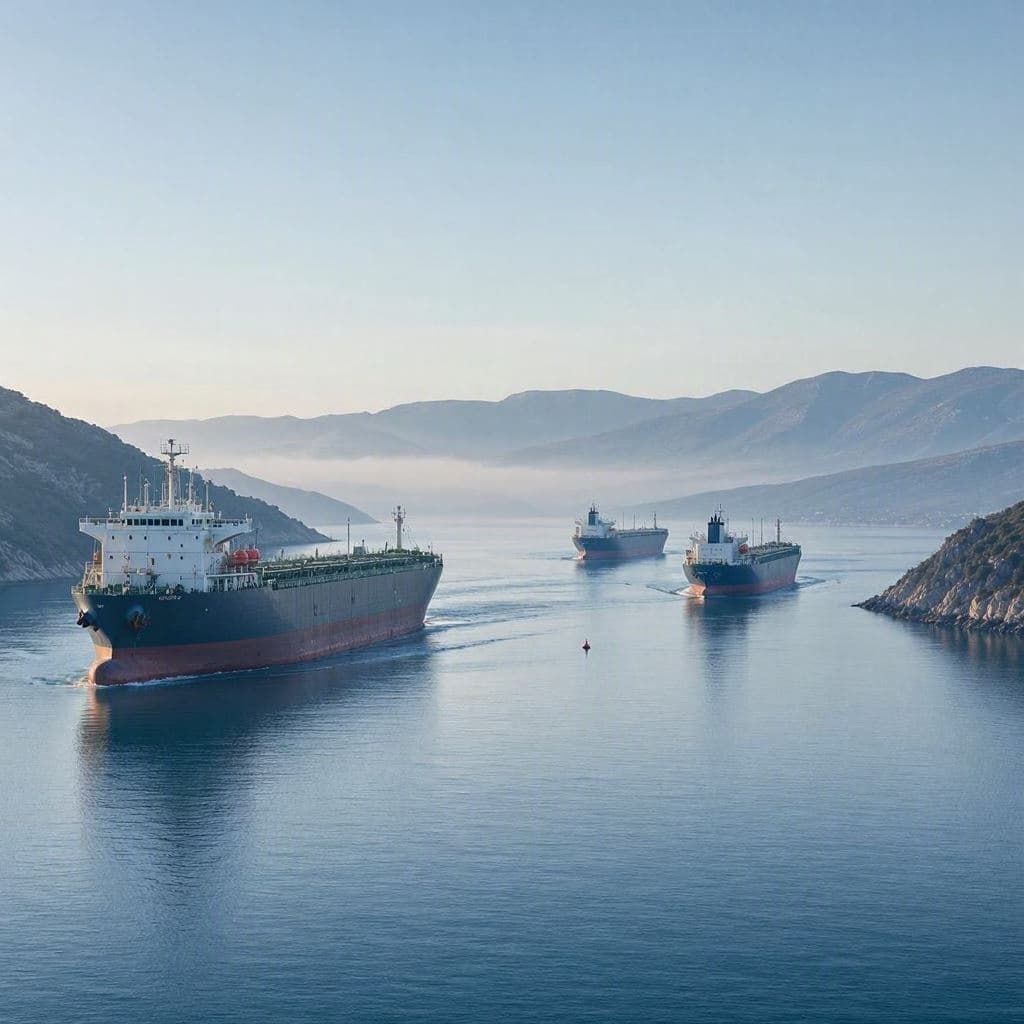
The Strait of Hormuz is a narrow artery of global commerce, through which a significant portion of the world’s oil supply flows. Its waters are calm yet charged with geopolitical tension, where the movement of tankers is closely watched by nations with vested interests. Recent reports suggest that former President Trump is considering limited military strikes against Iran to deter attacks in this critical chokepoint. This potential escalation invites reflection on the fragile balance between deterrence and diplomacy in one of the world’s most volatile regions.
The strategic importance of the Strait of Hormuz cannot be overstated. Any disruption to shipping in this area has immediate repercussions for global energy markets and economic stability. Attacks on vessels or infrastructure here are viewed not just as regional conflicts but as threats to international security. The consideration of military action reflects a desire to restore order and protect these vital supply lines.
Proponents of limited strikes argue that a show of force is necessary to signal resolve and prevent further aggression. They believe that diplomatic efforts alone have failed to curb hostile actions, leaving military options as the only viable deterrent. A targeted response, they contend, could degrade specific capabilities without triggering a full-scale war, offering a middle ground between inaction and total conflict.
However, critics warn that even limited strikes carry significant risks of escalation. History has shown that miscalculations in such tense environments can lead to unintended consequences, drawing in other regional actors and potentially sparking a broader conflict. The complexity of Iranian politics and its network of allies means that any military action must be weighed carefully against the potential for prolonged instability.
The international community watches with concern, urging restraint and dialogue. Allies in the region fear that increased violence could destabilize their own security arrangements, while global powers advocate for de-escalation through diplomatic channels. The call for multilateral solutions highlights the interconnected nature of modern geopolitics, where unilateral actions can have far-reaching ripple effects.
Economic implications are also a major factor. Markets react sensitively to news of potential conflict, with oil prices fluctuating based on perceived risks. A strike could lead to short-term spikes in energy costs, affecting consumers and businesses worldwide. This economic dimension adds pressure on decision-makers to consider not just military outcomes but also financial stability.
Humanitarian concerns further complicate the picture. Military engagements in populated areas or near critical infrastructure can have devastating effects on civilian populations. Ensuring the protection of non-combatants is a moral imperative that must guide any strategic planning. The human cost of conflict is always high, and minimizing it requires precise and restrained action.
As discussions continue, the focus remains on finding a path that ensures security without plunging the region into chaos. Diplomacy, backed by credible deterrence, is often cited as the most sustainable approach. The challenge lies in crafting a strategy that addresses immediate threats while laying the groundwork for long-term peace.
The consideration of limited strikes against Iran to protect the Strait of Hormuz highlights the complex interplay of security, economics, and diplomacy. While the goal is to deter aggression, the risks of escalation remain significant. A balanced approach that combines strength with dialogue is essential for maintaining stability in this critical region.
AI Image Disclaimer: The images associated with this article are AI-generated visualizations intended to symbolize geopolitical tension and maritime security, using respectful and abstract imagery of naval scenes and maps.
Sources: Reuters Associated Press
Published by Banx Network. This article is part of the Banx decentralized media programme, powered by the BXE token on the XRP Ledger.