
Key Highlights
- Public Debate:Rumors of renaming West Java to 'Tatar Sunda' sparked widespread discussion.
- Official Clarification:West Java's government confirmed no plans for a name change.
- Cultural Significance:The term 'Tatar Sunda' reflects deep cultural roots in the region.
The intersection of language, culture, and identity often ignites passionate discussions, particularly in regions rich in tradition. Recently, a potential name change for West Java to 'Tatar Sunda' became a focal point of public debate, capturing the attention of both local residents and social media users alike.
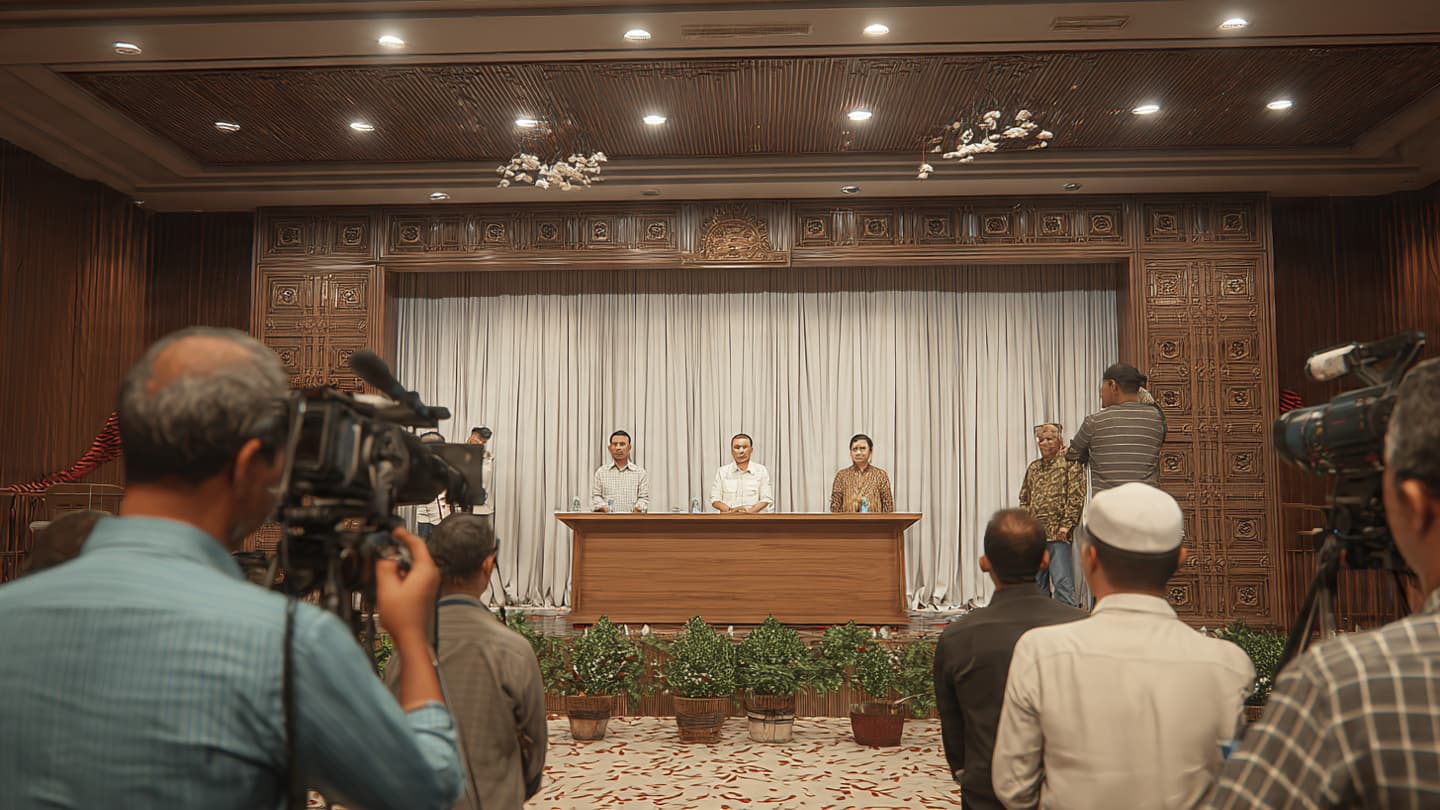
The controversy began when rumors surfaced that West Java Governor Dedi Mulyadi intended to officially rename the province. This speculation quickly spread across various social media platforms, leading to heightened public interest and concern. However, the West Java Communication and Information Office (Diskominfo) swiftly intervened, clarifying that there was no formal proposal or administrative process in place for such a change.
According to Diskominfo, the references to 'Tatar Sunda' were misinterpreted and taken out of context. The term, which has historical and cultural significance in Sundanese tradition, was not meant to suggest an official name change but rather to highlight the region's rich heritage. This clarification aimed to quell the growing anxiety among residents who feared losing their provincial identity.
Governor Dedi Mulyadi has long championed cultural preservation, emphasizing the importance of local arts, traditions, and environmental awareness in his administration's initiatives. His commitment to these values resonates deeply with the people of West Java, who take pride in their cultural identity. The discussions surrounding the name change reflect a broader concern about how modernization and globalization may impact local traditions.
The rapid spread of the name change rumors illustrates the powerful role social media plays in shaping public discourse. Observers noted that partial statements can quickly evolve into larger political narratives, often leading to misunderstandings. In this case, the official clarification from Diskominfo came after the narrative had already gained significant traction online, highlighting the challenges faced by authorities in managing public perception.
Despite the clarification, the debate surrounding cultural identity and preservation remains pertinent in Indonesia's diverse social landscape. The discussions about 'Tatar Sunda' have reignited interest in the region's heritage, prompting conversations about the importance of maintaining cultural ties amid ongoing modernization.
As the public continues to engage with these themes, Diskominfo has encouraged residents to verify information through official channels to prevent further misunderstandings. The incident serves as a reminder of the delicate balance between cultural identity and the influences of contemporary society.
In conclusion, while the name change for West Java remains off the table, the dialogue it sparked underscores the significance of cultural identity in the region. As communities navigate the complexities of modern life, the preservation of local traditions and values will continue to be a vital topic of discussion.
Published by Banx Network. This article is part of the Banx decentralized media programme, powered by the BXE token on the XRP Ledger.



