In the shattered landscape of Gaza, where the scars of conflict are etched into every remaining structure, tragedy often arrives without warning. Rescuers have reported that at least 21 people, including eight children, were killed when a building weakened by previous airstrikes collapsed suddenly. This latest incident underscores the lingering dangers that persist long after the initial bombardment, turning homes into tombs and deepening the humanitarian crisis in the enclave.
The collapse occurred in a residential area, where families had returned to seek shelter in buildings that appeared intact but were structurally compromised. War-damaged infrastructure poses a silent threat, with cracks and weakened foundations hidden beneath layers of dust and debris. For the residents, the decision to stay is often driven by necessity, as displacement camps are overcrowded and resources scarce. The sudden failure of these structures is a grim reminder of the war’s enduring legacy.
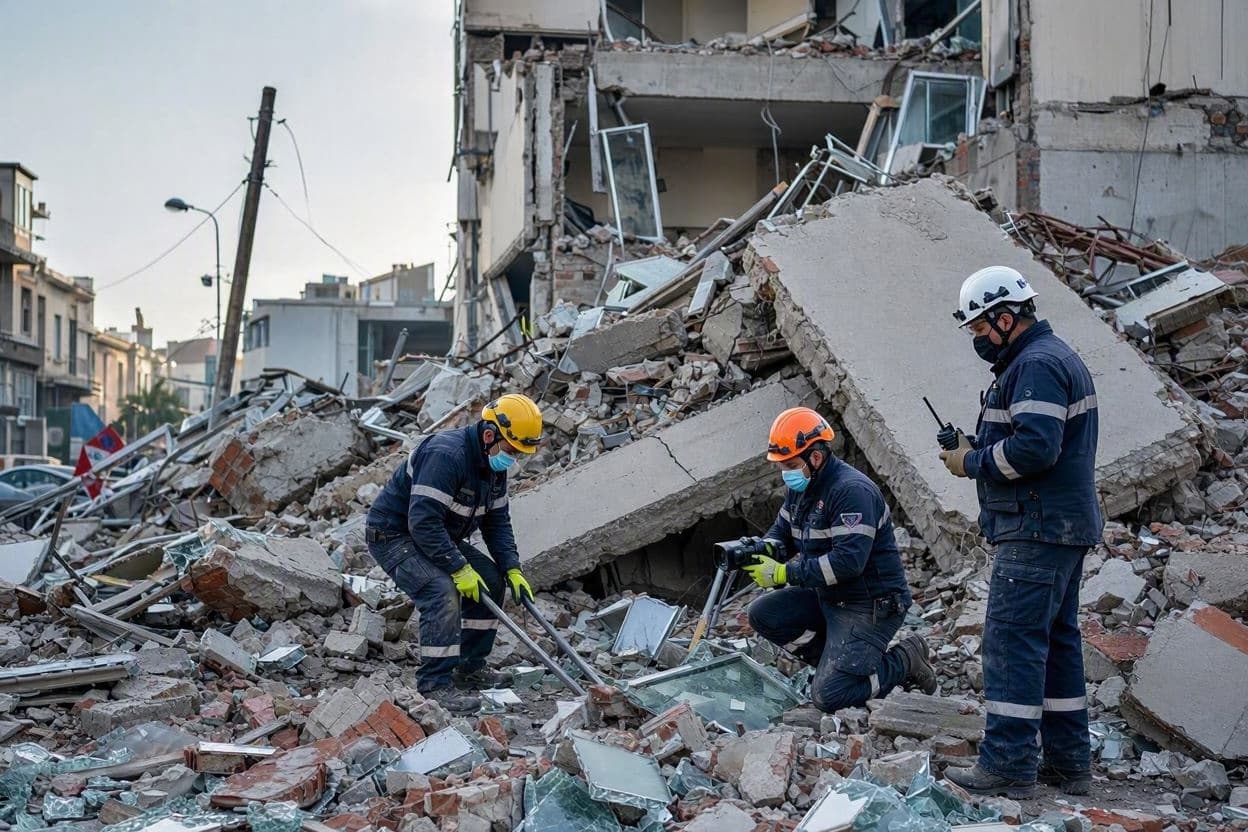
Rescue teams, working with limited equipment and under constant strain, rushed to the site to search for survivors. The recovery effort is fraught with difficulty, as heavy machinery is often unavailable, and manual digging is slow and dangerous. Each body recovered brings a moment of sorrow, adding to the mounting toll of a conflict that has already claimed tens of thousands of lives. The presence of children among the victims highlights the particular vulnerability of the young in such environments.
The incident has drawn condemnation from humanitarian organizations, who warn that the risk of further collapses remains high. Many buildings in Gaza have sustained damage that is not immediately visible, creating a hazard for anyone attempting to rebuild or return home. Experts urge caution and thorough structural assessments, but in a zone of active conflict and resource scarcity, such measures are often impossible to implement fully.
For the families of the victims, the loss is compounded by the trauma of repeated displacement and grief. The death of children, in particular, strikes at the heart of the community, leaving wounds that may never heal. Their stories are a poignant reminder of the human cost of war, beyond the statistics and political debates. Each name represents a life interrupted, a future lost, and a family shattered.
International aid agencies continue to call for increased access and support to address these secondary effects of the conflict. Providing safe shelter, medical care, and psychological support is essential for survival and recovery. However, funding shortages and logistical barriers often hinder these efforts, leaving many without the assistance they desperately need. The global community’s response remains a critical factor in mitigating the suffering.
As Gaza struggles to cope with the aftermath of destruction, the collapse serves as a stark indicator of the challenges ahead. Rebuilding will require not just materials but also safety, stability, and hope. Until then, the threat of falling walls remains a daily reality for those who call this place home. It is a testament to their resilience, but also to the urgent need for peace and reconstruction.
In the silence that follows the rescue efforts, the memory of the 21 victims lingers. Their deaths are a call to action, urging the world to look beyond the headlines and see the human beings behind the numbers. In honoring them, we acknowledge the profound injustice of their loss and the collective responsibility to prevent such tragedies in the future.
AI Image Disclaimer: The visual aids included here are AI-generated illustrations depicting the aftermath of structural collapse and rescue efforts, not actual photographs of the incident or the victims.
Sources: Al Jazeera Reuters The New York Times
Published by Banx Network. This article is part of the Banx decentralized media programme, powered by the BXE token on the XRP Ledger.