
Key Highlights
- Recent Drone Attack:A drone strike in a Sudanese market reportedly killed numerous civilians.
- Ongoing Conflict:Sudan has faced escalating violence, impacting civilian areas and marketplaces.
- Humanitarian Response:Organizations call for investigations and protection of non-combatants.
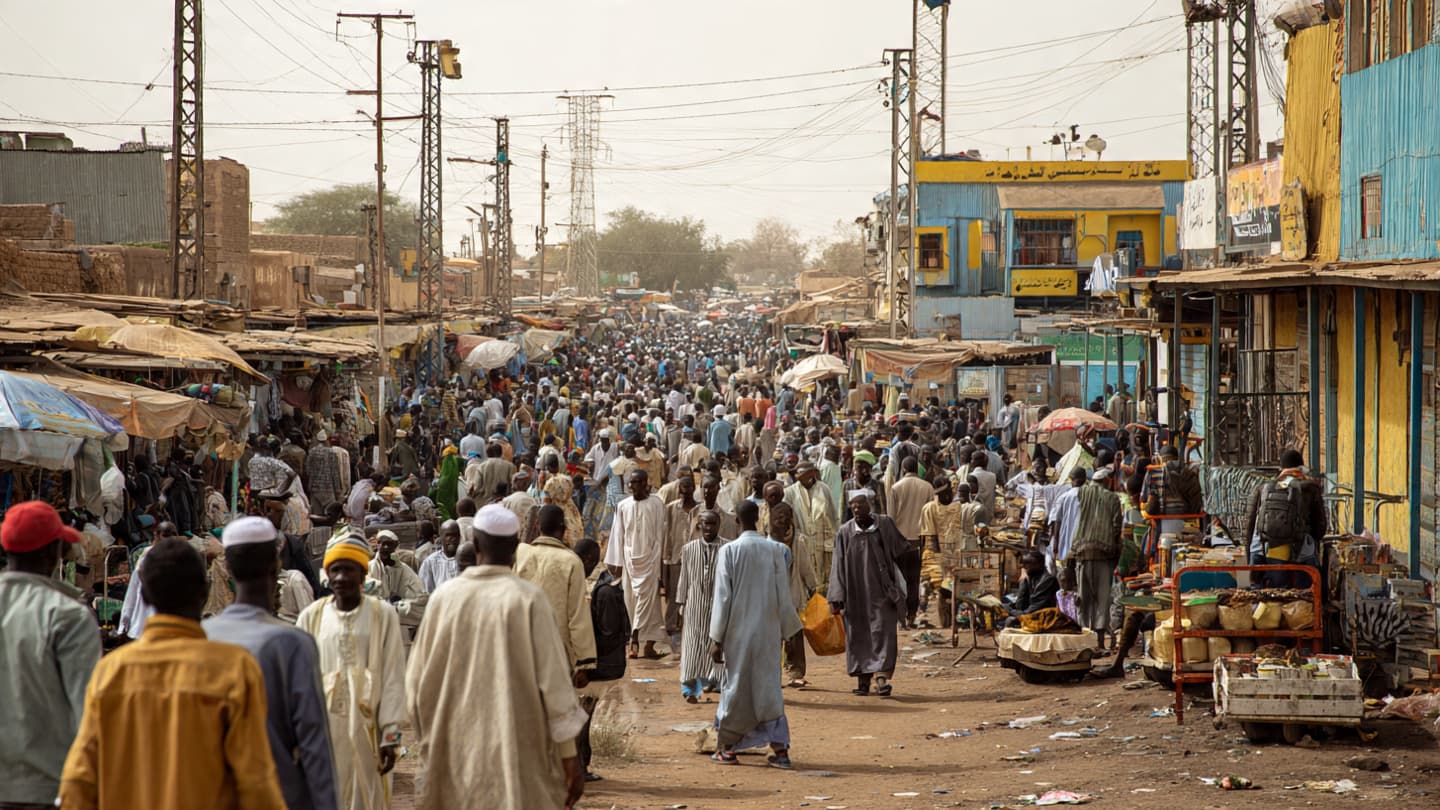
The recent drone attack in a bustling market in central Sudan has raised serious concerns about civilian safety in conflict zones. Reports indicate that scores of civilians lost their lives in this tragic incident, highlighting the vulnerability of marketplaces, which serve as vital community hubs. The attack underscores the urgent need for accountability and protection of non-combatants in areas affected by warfare.
Sudan has been embroiled in conflict for several years, with shifting frontlines and sporadic violence affecting civilian populations. Marketplaces, often crowded and open, become prime targets during such conflicts, leading to devastating humanitarian consequences. The attack in Sudan is a stark reminder of how violence disrupts not only physical safety but also the daily lives of individuals who rely on these spaces for their livelihoods.
Drone warfare has become increasingly prevalent in modern conflicts, raising complex questions about precision and accountability. While drones are often marketed as tools for targeted operations, their use in densely populated civilian areas poses significant risks. The international community has scrutinized the implications of drone strikes, particularly regarding their impact on civilian casualties and the ethical considerations surrounding their deployment.
In the aftermath of the attack, humanitarian organizations have called for thorough investigations and access to the affected areas. The disruption of markets can have immediate economic repercussions, affecting food supply chains and local economies. As such, the humanitarian response must not only address immediate relief efforts but also consider the long-term implications for communities reliant on these marketplaces.
Reports from conflict zones often rely on local networks and humanitarian monitors, especially when direct media access is limited. This reliance can lead to discrepancies in reported figures, emphasizing the importance of corroborating information through multiple independent sources. The need for accurate reporting is crucial in understanding the full scale and impact of such incidents.
International attention to these events typically focuses on immediate relief efforts and broader strategies to mitigate civilian harm in ongoing conflicts. However, progress in these areas is often slow and fraught with challenges. As the situation in Sudan continues to evolve, the need for ongoing monitoring and verification from international observers and humanitarian agencies remains critical.
The recent drone attack serves as a poignant reminder of the complexities and challenges faced by civilians in conflict zones. As the international community grapples with the implications of modern warfare, the protection of non-combatants must remain a priority in efforts to address the humanitarian crisis in Sudan and beyond.
Published by Banx Network. This article is part of the Banx decentralized media programme, powered by the BXE token on the XRP Ledger.



