Leadership is often measured not by the ease of calm waters, but by the ability to navigate through storms. In recent weeks, the Russian leadership has faced a confluence of challenges that test the resilience of its political and military structures. From logistical setbacks to diplomatic isolation, the accumulation of these pressures has created a narrative of crisis that resonates both domestically and internationally. It is a moment that invites reflection on the fragility of power when confronted with sustained adversity.
The term "record disaster" refers to a series of significant operational failures and strategic losses that have marked the current phase of the conflict in Ukraine. These include the loss of key territorial positions, equipment degradation, and morale issues within the ranks. For a leadership that has long projected an image of strength and inevitability, these setbacks represent a stark contrast to earlier expectations, forcing a reevaluation of tactical approaches.
The "humiliating" aspect of the crisis stems from the public nature of these failures. In an era of digital transparency, military movements and losses are documented in real time, stripping away the veil of secrecy that often protects state narratives. This visibility amplifies the psychological impact, both for the Russian public and for the global community watching the events unfold. It challenges the foundational myths of invincibility that underpin certain political ideologies.
Domestically, the government has worked to manage the narrative, emphasizing resilience and framing setbacks as temporary obstacles. However, the scale of the challenges makes such messaging increasingly difficult to sustain. Economic sanctions, combined with the costs of war, have placed a strain on ordinary citizens, leading to quiet discontent and a growing awareness of the human cost of the conflict.
Internationally, the crisis has led to a strengthening of alliances against Russia, with NATO and other partners providing increased support to Ukraine. This unity has isolated Russia diplomatically, limiting its options for negotiation and recovery. The escalation of the crisis thus has broader geopolitical implications, reshaping the balance of power in Europe and beyond.
Military analysts note that while Russia retains significant resources, the efficiency of their deployment has been questioned. Logistical bottlenecks and command issues have hindered effectiveness, suggesting that structural reforms may be necessary for any long-term success. The current situation highlights the complexity of modern warfare, where technology, information, and morale play decisive roles.
As the crisis deepens, the focus shifts to how leadership adapts to these new realities. Will there be a shift in strategy, or a doubling down on existing approaches? The answer will likely determine the trajectory of the conflict and the future stability of the region. It is a pivotal moment that requires careful observation and analysis.
Russian officials continue to assert their commitment to their objectives, despite the mounting challenges. The international community remains vigilant, monitoring developments and adjusting policies in response to the evolving situation.
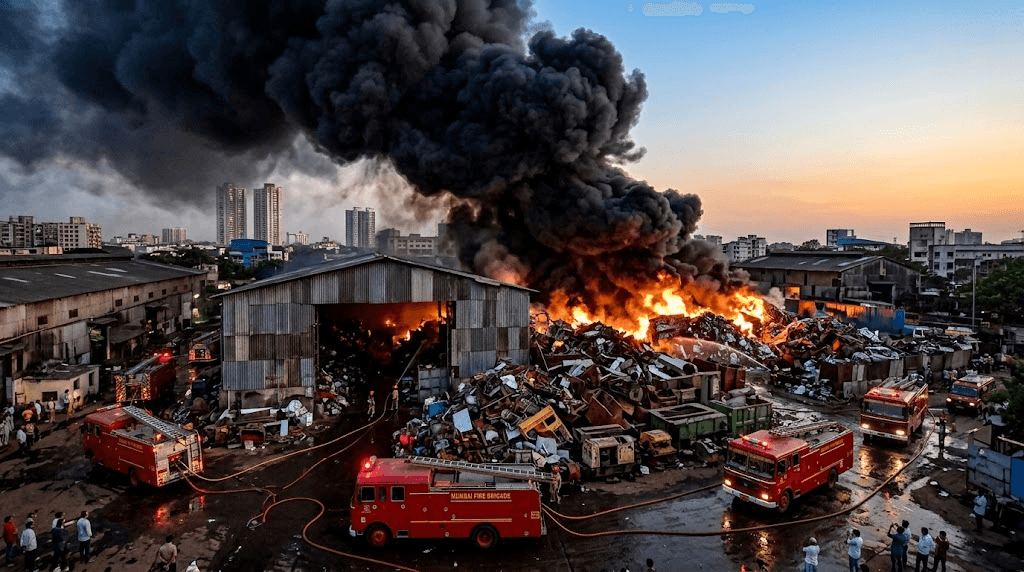
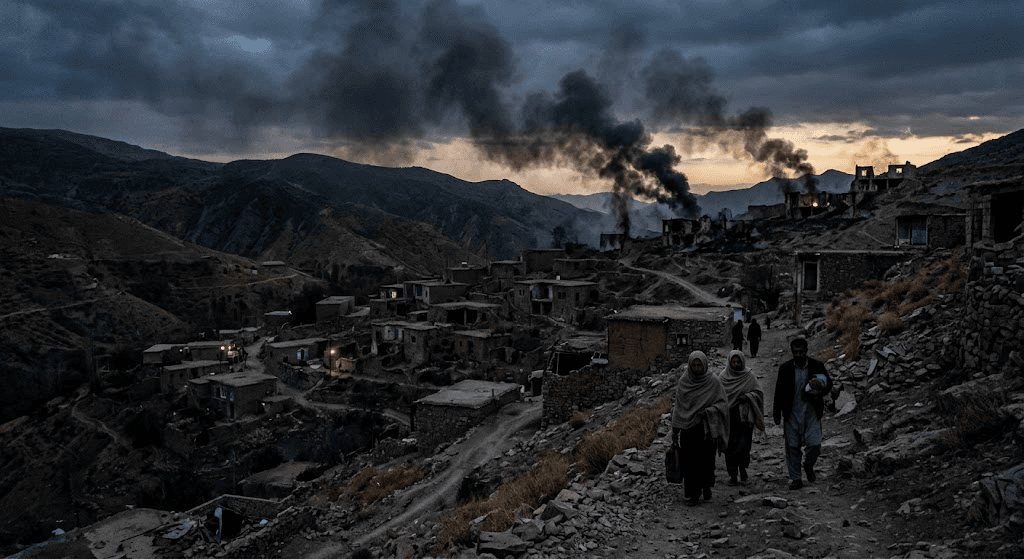
AI Image Disclaimer: Please note that the visual accompaniments for this article are AI-generated illustrations created to reflect the thematic elements of geopolitical tension, leadership challenges, and strategic complexity.
Sources: BBC News Reuters The New York Times Associated Press Institute for the Study of War (ISW)
Published by Banx Network. This article is part of the Banx decentralized media programme, powered by the BXE token on the XRP Ledger.