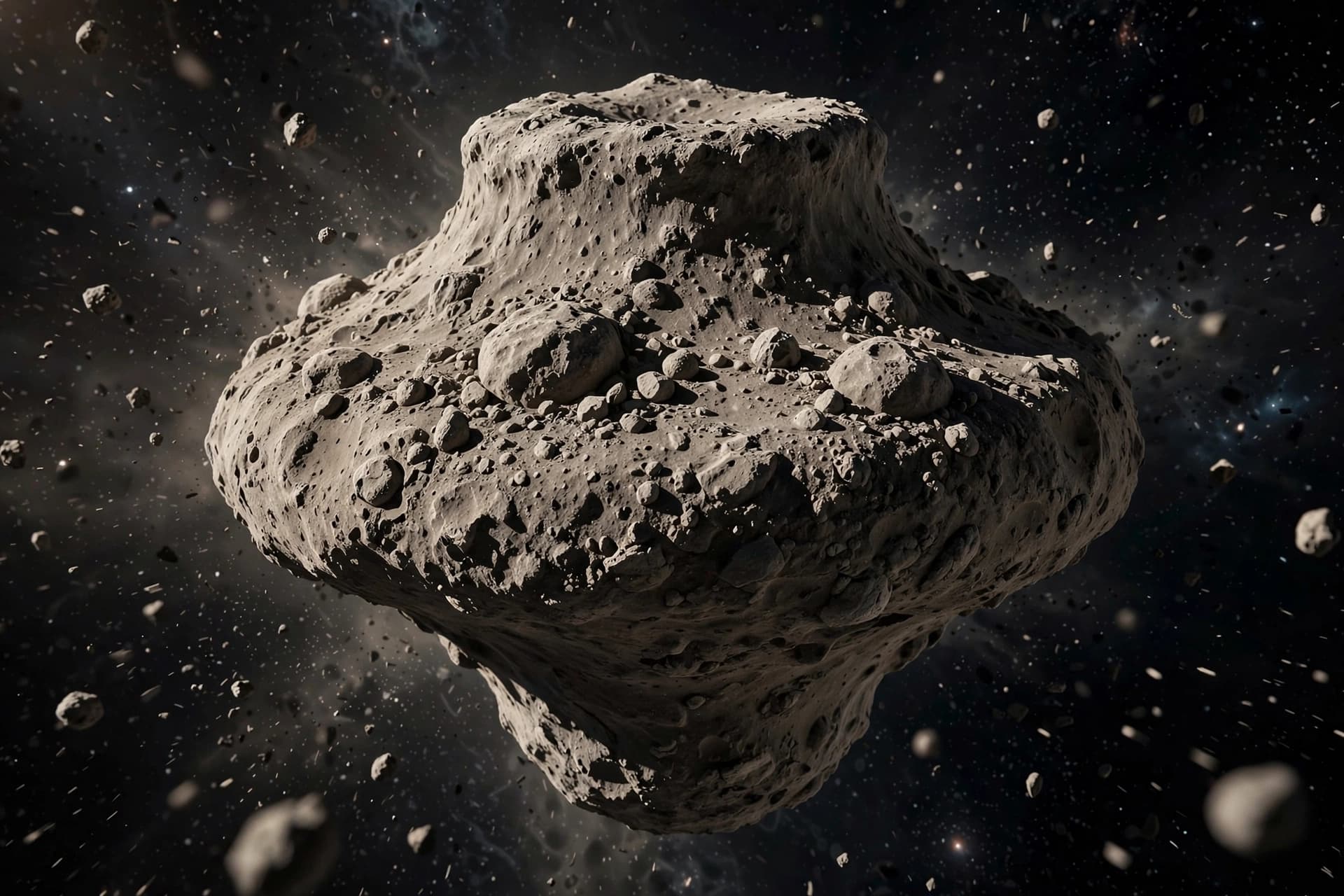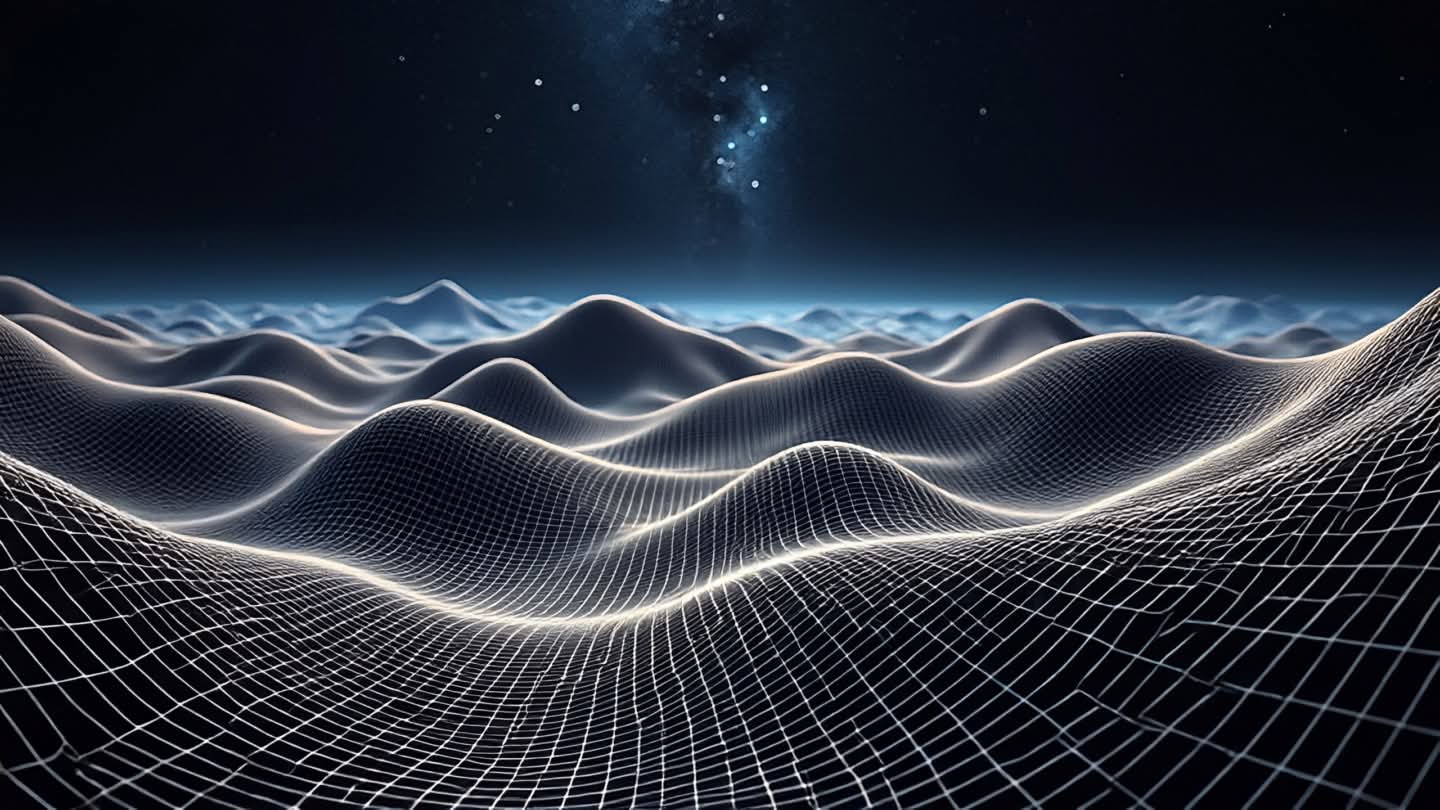
Gravity, the force that binds the cosmos, is often viewed as a constant, unchanging rule of nature. But what if this fundamental law behaves differently in various corners of the universe? Recent theoretical proposals suggest a "cosmic glitch" might be at play, offering a potential explanation for discrepancies in gravitational measurements. This idea challenges our understanding of physics, inviting us to reconsider the uniformity of the forces that shape reality.
The concept arises from observations of galaxy clusters and the expansion rate of the universe. Scientists have noted that gravity seems to act slightly weaker on large scales than predicted by Einstein’s General Theory of Relativity. This anomaly, sometimes referred to as the "Hubble Tension" or related gravitational discrepancies, has puzzled physicists for years. The "cosmic glitch" hypothesis proposes that gravity’s strength may vary depending on the scale or location in the universe.
One leading theory involves the interaction between gravity and dark energy, the mysterious force driving the universe’s accelerated expansion. If dark energy interacts with gravity in complex ways, it could effectively dilute gravitational pull over vast distances. This would mean that while gravity holds planets and stars together firmly, its influence wanes more quickly than expected across intergalactic voids. Such a variation would require modifications to current physical models.
Another possibility is the existence of extra dimensions or fields that interact with gravity. String theory and other advanced frameworks suggest that gravity might leak into other dimensions, making it appear weaker in our observable three-dimensional space. While these ideas are highly speculative, they provide mathematical pathways to explain the observed anomalies. Testing these theories requires precise measurements of gravitational waves and cosmic microwave background radiation.
The implications of a variable gravity are profound. It would affect our understanding of galaxy formation, the distribution of dark matter, and the ultimate fate of the universe. If gravity is not uniform, then the standard cosmological model, which assumes consistency, may need significant revision. This could lead to a new era of physics, much like the shift from Newtonian mechanics to relativity.
Researchers are using data from telescopes like the James Webb Space Telescope and gravitational wave detectors to search for evidence of this glitch. By comparing observations from different epochs and regions of the universe, they hope to identify patterns that support or refute the hypothesis. Each new data point brings us closer to resolving the tension between theory and observation.
Skepticism remains high within the scientific community, as extraordinary claims require extraordinary evidence. Many physicists believe that systematic errors in measurements or incomplete understanding of local mass distributions may explain the discrepancies. However, the persistence of the anomaly keeps the door open for new physics. The debate drives innovation and deepens our inquiry into the nature of reality.
The possibility of a "cosmic glitch" in gravity invites humility and curiosity. It reminds us that the universe is still full of mysteries, and that our current laws of physics may be just one chapter in a much larger story.
AI Image Disclaimer: Any images used in conjunction with this article are AI-generated conceptualizations meant to illustrate the themes of media and justice.
Sources: Nature Astronomy, Scientific American, Phys.org, CERN News
Published by Banx Network. This article is part of the Banx decentralized media programme, powered by the BXE token on the XRP Ledger.