Some tragedies leave behind questions that continue long after the first moments of grief have passed. When a school becomes the center of violence, the pain extends beyond the immediate victims and reaches into wider conversations about responsibility, prevention, and the difficult search for answers. In Georgia, a courtroom became a place where those questions were examined through the lens of one family’s devastating story.
A Georgia father has been sentenced to 15 years in prison in connection with a deadly school shooting carried out by his teenage son. The sentence followed his conviction on charges related to his actions before the attack, marking one of the most closely watched cases involving parental accountability after a school shooting in the United States.
Prosecutors argued that the father had failed to take sufficient action after concerns were raised about his son’s access to firearms and concerning behavior. They said the circumstances leading up to the shooting showed opportunities where intervention may have been possible, placing focus on the responsibilities of adults who have access to weapons in homes.
The shooting occurred at Apalachee High School in Georgia, where two students and two teachers were killed and others were injured. The attack shocked the local community and renewed national discussions about school safety, firearm storage, and the role families and institutions play in preventing violence.
Defense attorneys presented a different perspective during the legal proceedings, arguing that the father did not intentionally contribute to the attack. The court considered arguments from both sides before reaching a decision, reflecting the complexity of determining responsibility in cases where the direct act of violence was committed by another person.
The case drew attention across the United States because it raised broader legal and social questions. While individuals who commit violent acts are typically the primary focus of criminal proceedings, this case examined whether others can also face consequences when authorities believe their actions or decisions contributed to circumstances surrounding a tragedy.
Families of victims and members of the community have continued to remember those who lost their lives. Beyond the courtroom, the tragedy has fueled discussions about how communities can identify warning signs, improve communication, and create stronger systems to protect students and educators.
The sentencing represents one step in a longer process of healing for those affected by the shooting. As legal proceedings conclude, the community continues to navigate grief while policymakers, educators, and families consider the lessons that may emerge from such a painful event.
AI Image Disclaimer:
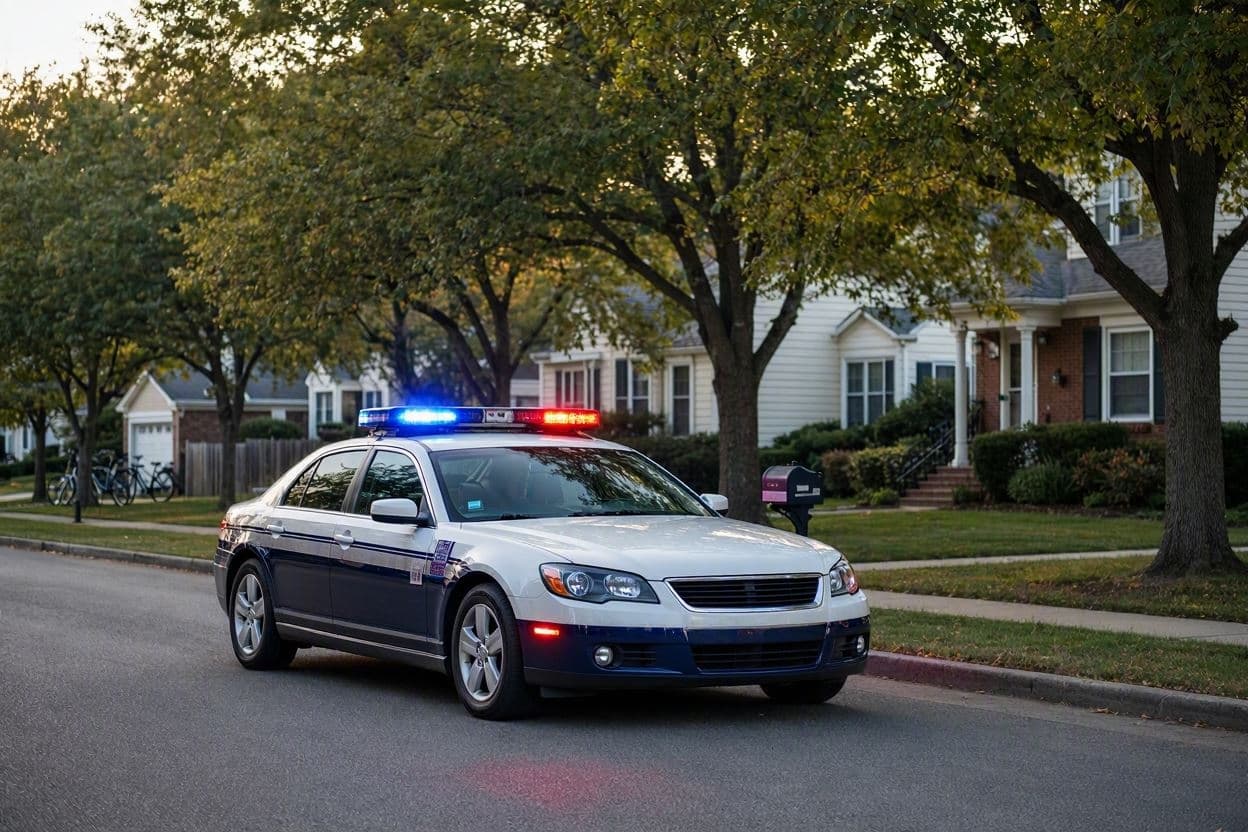
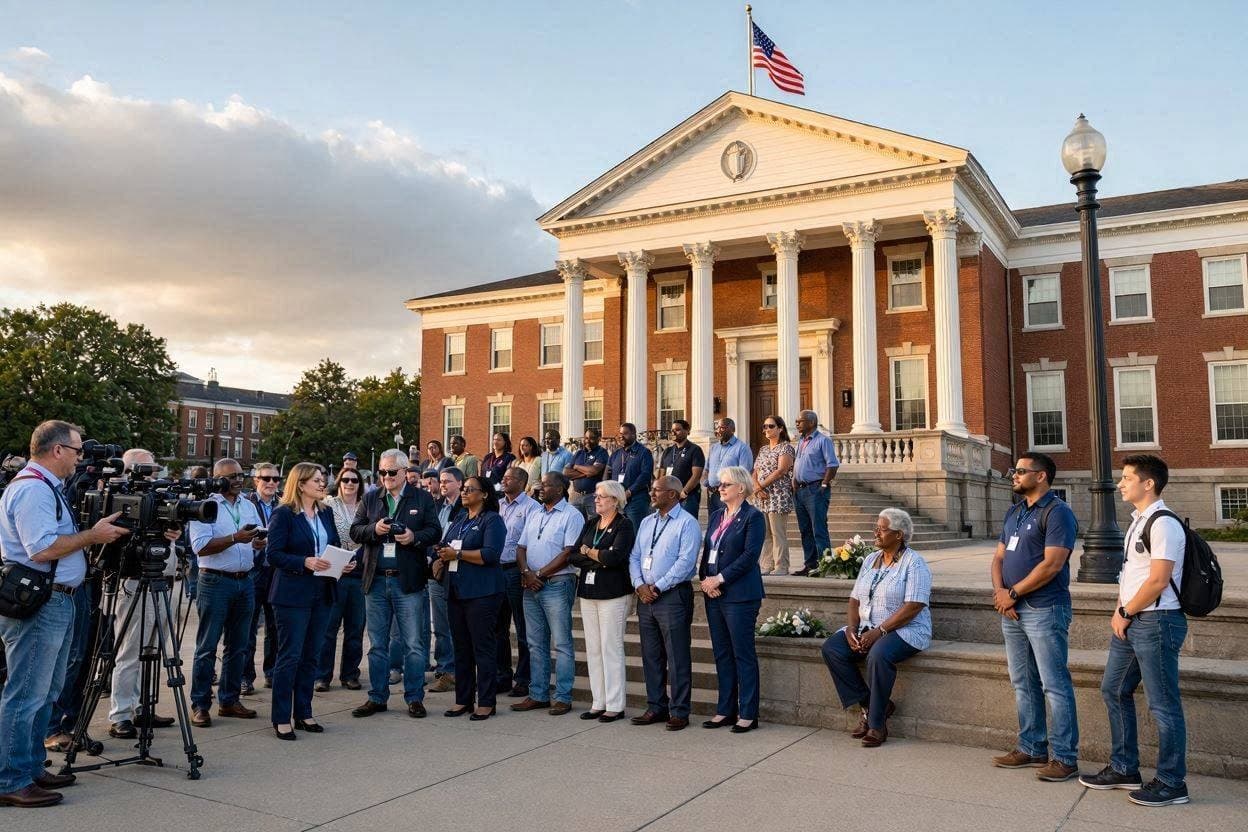
The illustrations accompanying this article are AI-generated representations created for context and do not show the actual individuals, victims, or locations involved in the case.
Sources:
Associated Press (AP) Reuters BBC News CNN Georgia Bureau of Investigation (GBI)
Published by Banx Network. This article is part of the Banx decentralized media programme, powered by the BXE token on the XRP Ledger.