
Key Highlights
- Famine Declared:Two cities in Sudan are officially in famine due to ongoing conflict.
- Humanitarian Efforts:Aid trucks have reached some areas, but improvements are fragile.
- Geopolitical Implications:The crisis illustrates how modern conflict weaponizes food supply.
Sudan is currently grappling with a severe humanitarian crisis as two cities have been officially declared in famine. This dire situation arises from ongoing conflict that has effectively cut off supply routes, leaving civilians trapped in a cycle of hunger and despair. The phrase 'cut off' may sound bureaucratic, but it starkly illustrates the reality on the ground: essential supplies cannot reach those in need, and civilians are unable to escape the encroaching famine.
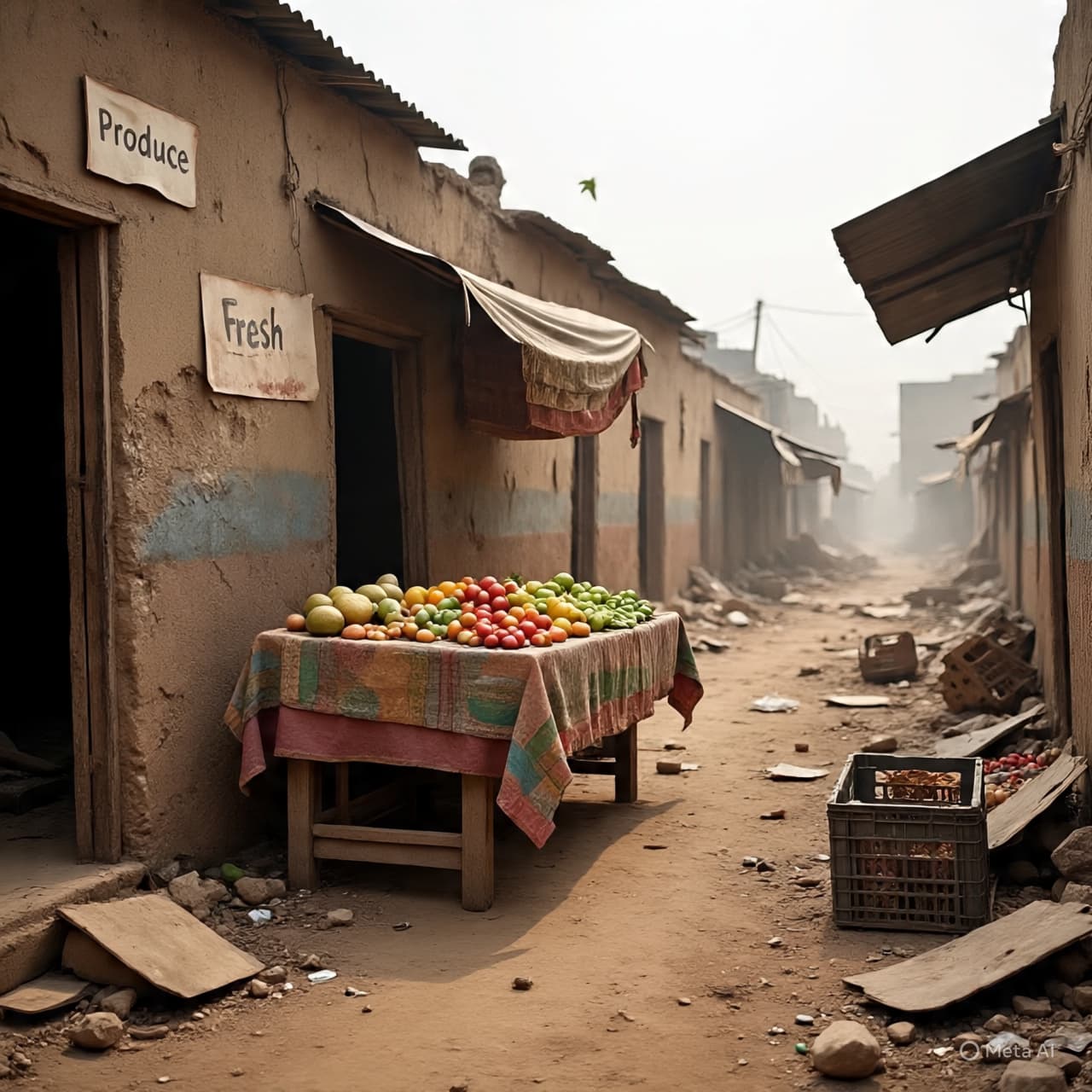
The impact of famine is often difficult to convey through traditional media narratives. Unlike war, which can be depicted through dramatic visuals and explosive imagery, hunger manifests as a slow and painful deterioration of human life. Starvation is not a sudden event; it is a gradual process that unfolds as markets collapse and transportation routes are severed. This makes the situation in Sudan particularly challenging to communicate effectively to a global audience.
Despite the grim circumstances, there have been some fragile humanitarian gains in other parts of Sudan. Aid organizations have managed to deliver supplies to certain areas, leading to a stabilization of malnutrition rates in pockets of the country. However, these improvements are precarious and exist within a narrow margin of volatility. A single border closure, a blocked corridor, or a week of renewed clashes could reverse any progress made, plunging affected communities back into crisis.
The declarations of famine in Sudan serve as haunting reminders of the severity of the situation. They are not mere predictions of what might happen; they are diagnoses of the current state of affairs. The underlying message is clear: there is no longer a future in contingency plans; the disaster is unfolding in real-time.
Sudan's emergency is not solely a narrative of hunger; it is a complex case study of how modern conflicts create non-linear suffering. In this context, blockades are weaponized, food becomes a strategic tool, and starvation emerges as a stark indicator of geopolitical neglect. The international community must grapple with the implications of this crisis, as the humanitarian needs continue to grow amidst a backdrop of political instability and violence.
As the situation evolves, it is crucial for global stakeholders to remain engaged and responsive to the needs of the Sudanese people. The humanitarian crisis demands urgent attention and action to prevent further loss of life and to restore hope for a better future.
Published by Banx Network. This article is part of the Banx decentralized media programme, powered by the BXE token on the XRP Ledger.



