Diplomacy often moves like desert wind—quiet at first, barely perceptible, then suddenly reshaping the dunes. Conversations that appear cordial on the surface can carry undercurrents of rivalry, strategy, and shifting alliances. In the intricate geometry of Gulf politics, even a private remark can echo far beyond the room in which it was spoken.
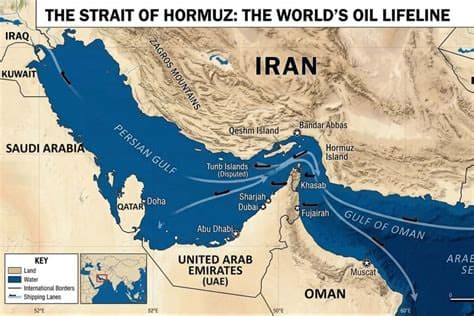
Reports now suggest that former U.S. President Donald Trump told the leader of the United Arab Emirates that Saudi Arabia had sought to see the Emirates sanctioned. The account, cited by multiple media outlets, adds another layer to the already complex relationships between Washington and its long-standing partners in the Gulf.
According to the reporting, the comment emerged during discussions at a time when regional alignments were in flux. The Gulf Cooperation Council had weathered a period of diplomatic strain in recent years, including disputes that placed neighbors at odds over security, economic policy, and regional influence. Against that backdrop, any suggestion of one Gulf state advocating punitive measures against another would carry significant weight.
The United Arab Emirates and Saudi Arabia have often been described as strategic partners, particularly on issues related to energy markets, regional security, and counterterrorism. Yet, like many alliances, their relationship has not been without nuance. Differences in economic competition, approaches to regional conflicts, and broader geopolitical ambitions have occasionally surfaced.
For Washington, maintaining balance among Gulf allies has long been a careful exercise. U.S. administrations, including Trump’s, have cultivated close ties with both Riyadh and Abu Dhabi, emphasizing arms cooperation, energy stability, and shared concerns about Iran’s regional role. In such a context, remarks suggesting intra-Gulf friction could have implications not only for bilateral trust but also for broader regional coordination.
Neither Saudi Arabia nor the UAE has publicly confirmed the specific claim detailed in the report. As is often the case with high-level diplomatic conversations, much remains behind closed doors. Officials typically address such matters through official channels rather than public rebuttals, allowing relationships to be managed with discretion.
Observers note that the Gulf region has evolved rapidly in recent years. Economic diversification drives, ambitious infrastructure projects, and shifting global energy dynamics have recalibrated national priorities. While partnerships endure, competition in sectors such as logistics, finance, and tourism has grown more visible. In that environment, perceptions of rivalry can amplify speculation.
At the same time, the broader regional landscape continues to demand cooperation. Security challenges, energy market stability, and international investment flows often require coordinated approaches. Even when differences arise, Gulf states have demonstrated a capacity to recalibrate and preserve strategic alignment.
The report serves as a reminder of how sensitive diplomatic narratives can be. A single assertion—accurate or contested—can influence public understanding of relationships that are otherwise defined by decades of cooperation and shared interests.
For now, the claim remains part of a larger mosaic of reporting about private discussions during a consequential period in U.S.–Gulf relations. Whether it alters perceptions or fades into the background may depend on how leaders continue to navigate their partnerships in the months and years ahead.
In the realm of diplomacy, much like the shifting sands, what seems fixed can subtly change. Yet enduring alliances often prove resilient, shaped not by a single conversation but by sustained engagement over time.
AI Image Disclaimer Visuals are created with AI tools and are not real photographs.
Sources Reuters Bloomberg The Wall Street Journal Financial Times The Washington Post
Published by Banx Network. This article is part of the Banx decentralized media programme, powered by the BXE token on the XRP Ledger.