

Key Highlights
- Europe is experiencing unprecedented heat and drought this summer, affecting agriculture and tourism.
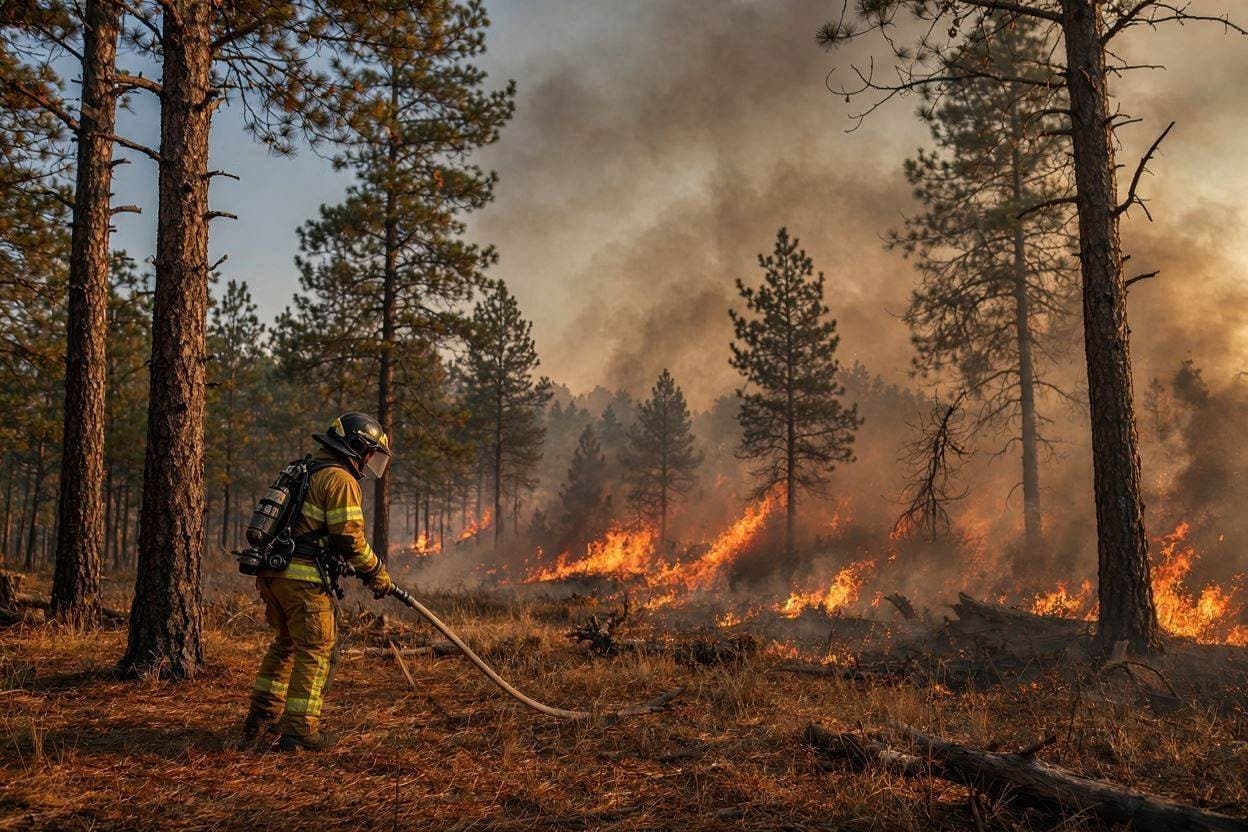
- Wildfires have ravaged regions in Greece and France, straining firefighting resources.
- The UK faces its driest summer in nearly 200 years, prompting water restrictions.
This summer, Europe is enduring a climate crisis marked by extreme heat and severe drought, transforming the continent's picturesque landscapes into parched terrains. Traditionally a season of leisure, this year’s summer has morphed into a relentless struggle against nature’s fury, with communities from Greece to the United Kingdom facing unprecedented challenges.
In Greece, the threat of wildfires looms large, particularly near Athens and on the islands. Firefighters are engaged in a fierce battle against blazes that spread rapidly through dry vegetation, exacerbated by strong winds and soaring temperatures. The smoke from these fires often blankets historic sites, obscuring landmarks that have stood for centuries. Despite the valiant efforts of emergency services, the scale of the fires has overwhelmed local resources, underscoring the urgent need for effective management strategies in the face of increasingly extreme weather.
France is not immune to these trials. The southern regions, once known for their lush forests, are now tinderboxes, igniting with alarming frequency. Local authorities have issued evacuation orders and restricted access to wooded areas, urging residents to remain vigilant. The economic ramifications are significant, with both tourism and agriculture facing disruptions as the relentless heat continues. Farmers are particularly anxious, watching their crops struggle without sufficient rainfall, leading to fears of a disappointing harvest.
Meanwhile, the United Kingdom is grappling with a different but equally alarming issue: drought. July has been recorded as the driest month in nearly two centuries for certain areas, with reservoirs reaching critical lows. The gardens that typically flourish during summer are wilting, and water restrictions are being considered in several regions. The stark contrast between the usual verdant British countryside and its current arid state serves as a powerful visual reminder of the changing climate.
Experts attribute these extreme weather patterns to a combination of factors, including stalled high-pressure systems that trap heat and inhibit rainfall. This phenomenon, worsened by global warming, creates conditions where even minor sparks can ignite major disasters. Meteorologists caution that such extreme events may become more frequent, necessitating long-term strategies for fire prevention and water conservation.
Public response has been a blend of concern and proactive measures. Communities are rallying to support those affected by wildfires, while individuals are adopting water-saving practices at home. Awareness campaigns are gaining traction, emphasizing the importance of reducing carbon footprints and preparing for a future where extreme weather becomes the norm. This collective effort reflects a growing recognition of our shared responsibility to protect the planet.
In response to the escalating crisis, governments across Europe are reassessing their emergency protocols, investing in advanced firefighting equipment and early warning systems. International cooperation is also on the rise, with countries sharing resources and expertise to combat cross-border threats. These initiatives are vital for building resilience and ensuring that societies can withstand the shocks of a changing climate.
As summer progresses, Europe remains on high alert. The fires and droughts of this season are not isolated incidents but part of a broader trend that requires immediate attention. By acknowledging the reality of these changes and taking decisive action, we can safeguard our landscapes and communities for future generations.
Published by Banx Network. This article is part of the Banx decentralized media programme, powered by the BXE token on the XRP Ledger.




