

Key Highlights
- Global food security is at risk due to Middle East instability.
- Rising energy costs and trade disruptions are significant factors.
- Vulnerable nations face greater exposure to market fluctuations.
The world's food system resembles a vast network of rivers, carrying nourishment from farms and ports to communities across continents. When disruptions occur at key points along that network, the effects can gradually spread outward, touching places far removed from the original source of difficulty. Recent warnings from the United Nations reflect concerns about precisely this kind of interconnected challenge.
According to international agencies, continued instability in parts of the Middle East could place additional pressure on global food security. Rising transportation costs, energy market volatility, and trade disruptions are among the factors being closely monitored. The United Nations has indicated that these issues could lead to increased food prices and reduced availability in various regions, particularly affecting those already facing economic hardships.
Food production and distribution depend heavily on stable infrastructure and predictable supply chains. When geopolitical tensions affect shipping routes or increase operational costs, the impact can extend through multiple sectors of the global economy. For instance, if shipping lanes are disrupted, it can lead to delays in food deliveries, which in turn can cause shortages and price hikes in distant markets.
Energy prices play a particularly important role in this equation. Agriculture relies on fuel for machinery, transportation, storage, and fertilizer production. Significant increases in energy costs can eventually influence food prices in many regions. As energy prices rise, farmers may face higher costs for planting and harvesting, which can lead to increased prices for consumers.
Developing countries may face particular vulnerabilities. Nations that depend heavily on imported food or fuel can experience greater exposure to external market fluctuations, especially when global prices rise rapidly. For example, countries in Africa and parts of Asia that rely on imports for staple foods may find themselves in precarious situations if supply chains are disrupted or prices soar.
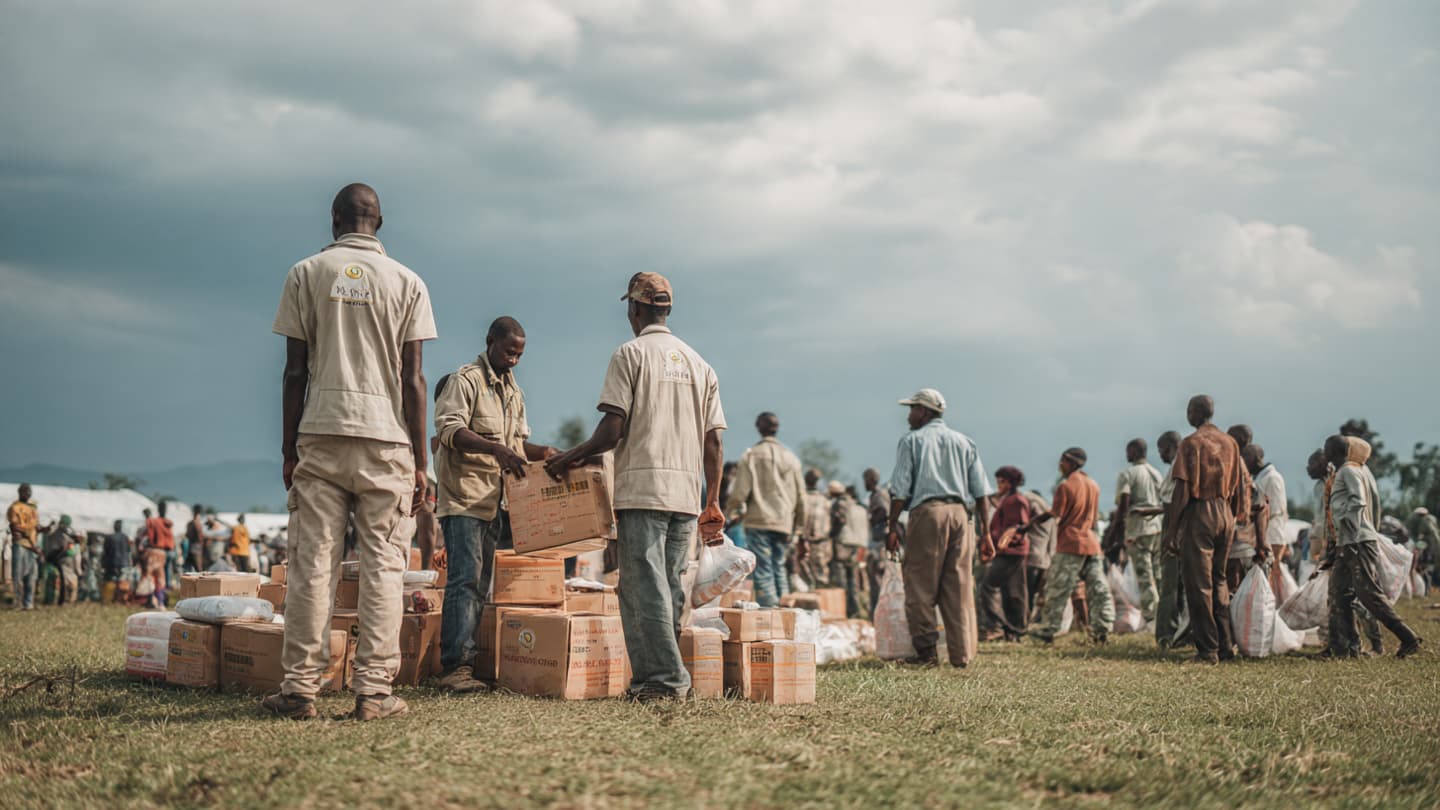
Humanitarian organizations are also paying close attention. Communities already affected by poverty, drought, or conflict may encounter additional difficulties if food becomes less affordable or less accessible. The World Food Programme has highlighted that millions could face acute hunger if these trends continue, emphasizing the need for immediate action to address these vulnerabilities.
Experts emphasize that global food systems have demonstrated resilience in the face of previous challenges. International cooperation, diversified supply chains, and emergency assistance programs continue to play important roles in reducing risks. However, the current geopolitical climate poses unique challenges that require coordinated responses from governments and organizations worldwide.
Nevertheless, uncertainty remains a concern. Policymakers, aid agencies, and international institutions are evaluating strategies designed to strengthen food security and support vulnerable populations. As governments and organizations monitor developments, the United Nations' warning serves as a reminder that modern challenges rarely remain confined to one region. In an interconnected world, stability, trade, and food security often move together.
Published by Banx Network. This article is part of the Banx decentralized media programme, powered by the BXE token on the XRP Ledger.




