

Key Highlights
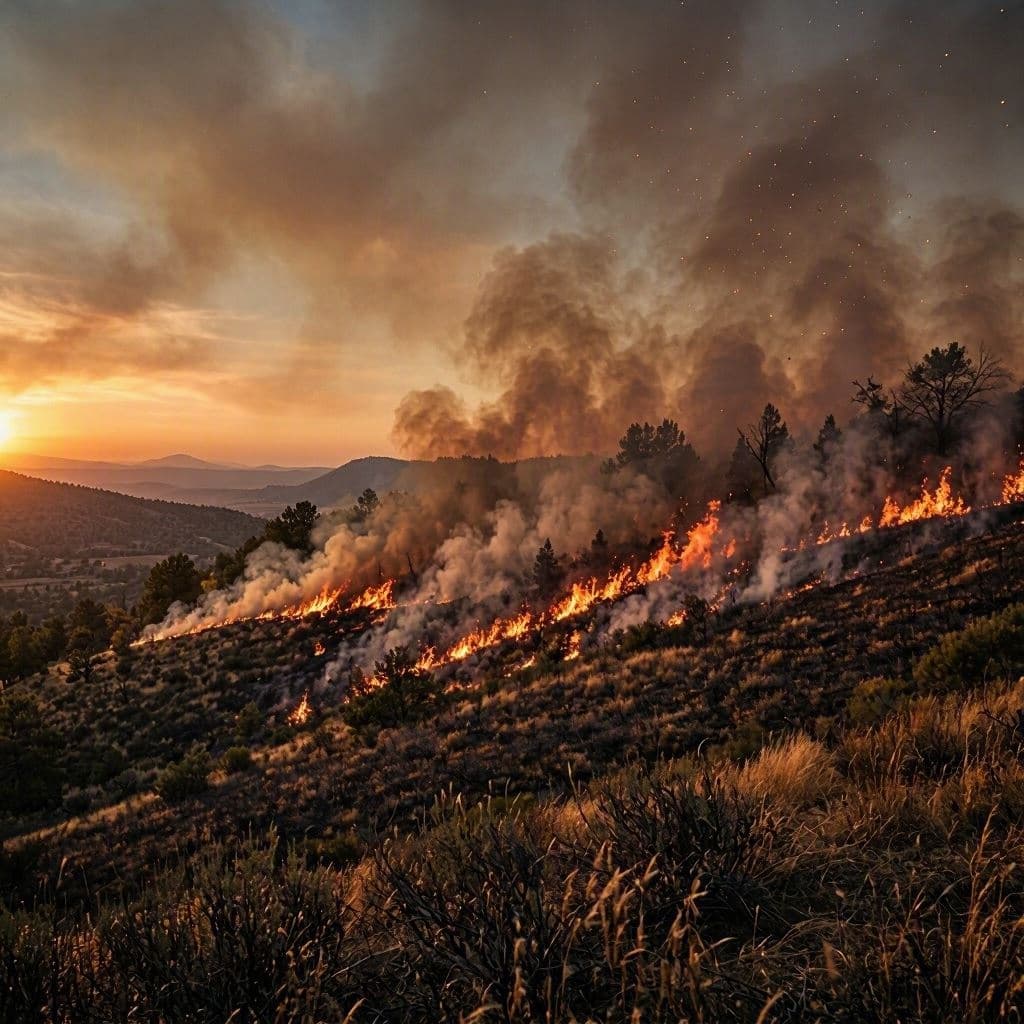
- Fire Location:The Gann Fire is burning near New Hogan Lake in Calaveras County, California.
- Evacuations:Thousands of residents have been ordered to evacuate as the fire spreads rapidly.
- Environmental Impact:The fire threatens local wildlife habitats and water quality in the region.
The Gann Fire, ignited in early August 2026 near New Hogan Lake, has rapidly escalated into a significant emergency, forcing thousands of residents in Calaveras County, California, to evacuate their homes. As the fire continues to grow, fueled by strong winds and low humidity, local authorities have expanded evacuation orders, underscoring the urgent nature of the situation. This incident serves as a stark reminder of the increasing volatility of wildfire seasons in the western United States.
Firefighters have been battling the blaze, which has consumed thousands of acres of chaparral and forest land. The rugged terrain surrounding New Hogan Lake presents significant challenges for ground crews, necessitating a heavy reliance on aerial support. Helicopters and air tankers have been deployed to drop water and fire retardant in an effort to contain the fire, but the rapid spread has made containment elusive.
Evacuation orders now encompass multiple zones, including areas around Hogan Dam Road and Gann Road. Local officials have urged residents to evacuate immediately, emphasizing the imminent threat to life and property. Shelters have been established in nearby communities to provide safety and resources for those displaced by the fire. The speed at which the fire has expanded has taken many residents by surprise, highlighting the unpredictable nature of wildfires in drought-stricken landscapes.
For many residents of Calaveras County, the Gann Fire represents a personal crisis. Longtime inhabitants, who have cherished the beauty of the lake and surrounding hills, now find themselves watching helplessly as flames consume their beloved landscape. The emotional toll of this disaster is compounded by uncertainty regarding the fate of their homes. Community support has been robust, with neighbors banding together to assist one another in evacuating and sharing resources.
Environmental concerns are also mounting as the fire threatens local wildlife habitats and the water quality of New Hogan Lake, a crucial reservoir for the region. Ash and debris runoff from the fire could have lasting impacts on local ecosystems, prompting officials to monitor the situation closely. The potential ecological consequences of the Gann Fire may require years of restoration efforts once the flames are extinguished.
As the Gann Fire continues to rage, discussions surrounding climate change and land management practices have intensified. While each wildfire has its unique causes, the trend of increasingly larger and more intense wildfires in California is well-documented. Experts advocate for improved forest management, including controlled burns and climate mitigation strategies, as essential measures to reduce future wildfire risks. The Gann Fire serves as another critical data point in this ongoing narrative about the challenges posed by climate change.
The Gann Fire near New Hogan Lake presents a formidable challenge for Calaveras County. As evacuations expand and firefighters work tirelessly to combat the blaze, the community remains resilient. The hope is for swift containment and minimal loss, but this event underscores the urgent need for preparedness in an era marked by changing climate conditions.
Published by Banx Network. This article is part of the Banx decentralized media programme, powered by the BXE token on the XRP Ledger.




