
Key Highlights
- Incident:Lieutenant General Vladimir Alekseyev shot in Moscow.
- Context:Shooting reflects ongoing tensions related to the Ukraine war.
- Impact:Local residents grapple with the implications of violence in their community.
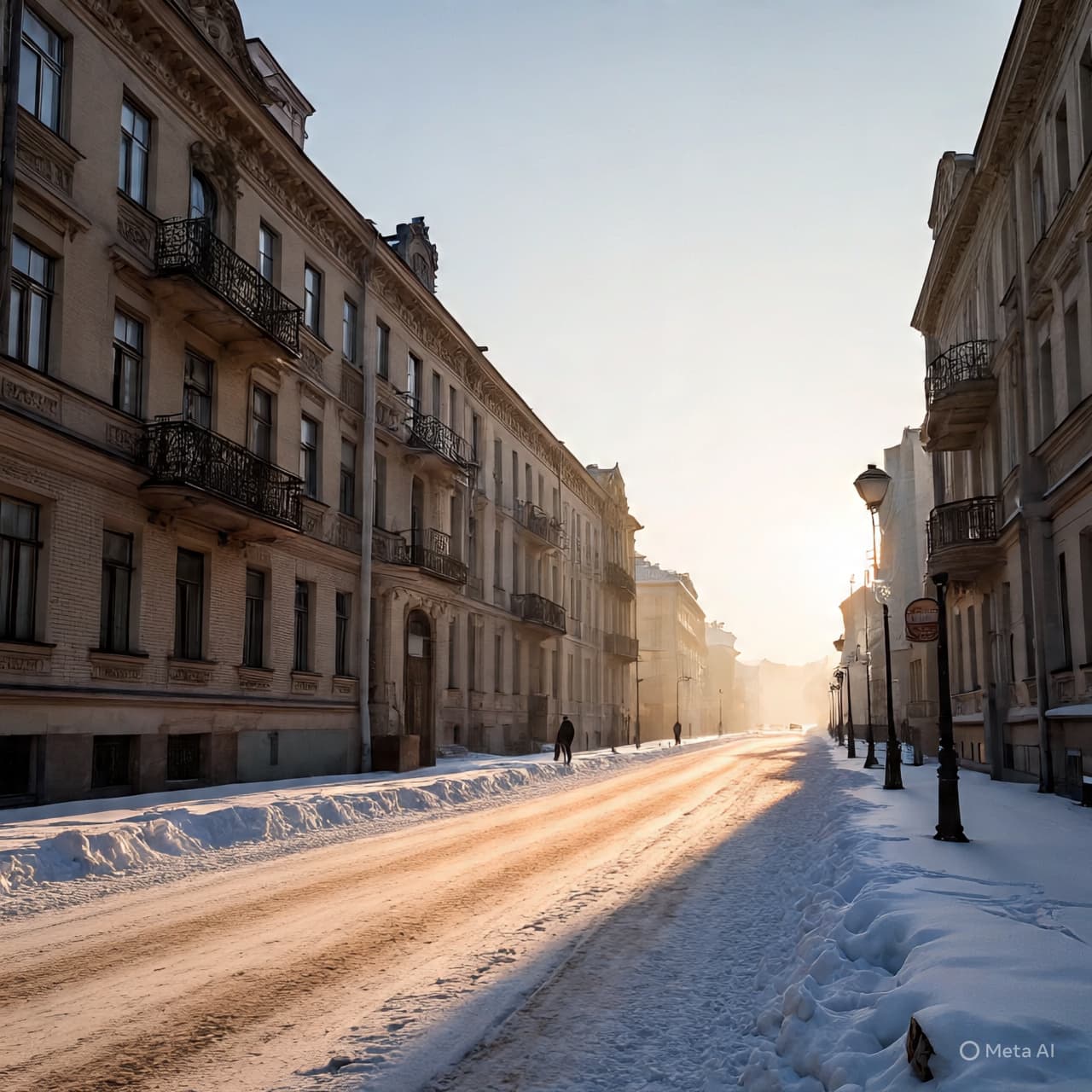
On a cold morning in Moscow, as the city lay in a quiet slumber before the day began, a sudden burst of gunfire shattered the stillness. The shooting occurred in a stairwell near a residential entrance, where Lieutenant General Vladimir Alekseyev, a prominent figure in Russia's military intelligence, was wounded. This incident starkly contrasts the ordinary routines of city life, thrusting the realities of war into the heart of everyday existence.
Alekseyev's involvement in military leadership has long tied him to the strategic decisions surrounding the ongoing conflict in Ukraine. However, on this particular morning, he became a symbol of vulnerability, a man caught in the crossfire of a larger geopolitical struggle. The shooting serves as a reminder that the consequences of war extend beyond the battlefield, infiltrating the lives of ordinary citizens in Moscow.
The backdrop of this incident is marked by faltering diplomatic efforts to negotiate a ceasefire in Ukraine. Recent discussions, mediated by international partners, have failed to yield any agreements, leaving negotiators returning to their capitals with a sense of disappointment. The stillness of the diplomatic rooms mirrors the quiet streets of Moscow, both waiting for a breakthrough that seems increasingly elusive.
In the aftermath of the shooting, speculation filled the airwaves and local cafés. Some commentators suggested that the attack was an attempt to disrupt fragile negotiations, while others posited that it reflected deeper internal tensions within the military establishment. The uncertainty surrounding the motives behind the shooting highlights the complex interplay of power dynamics at play within Russia's political landscape.
As news of the incident spread, residents of Moscow found themselves grappling with the implications of violence in their familiar surroundings. The day unfolded with an unusual quiet, as people moved through the city, their breaths visible in the cold air. Conversations that might have revolved around mundane errands shifted to reflections on the unsettling nature of violence intruding into their lives.
Meanwhile, diplomats and advisers continued to analyze the situation, acutely aware that the absence of progress in negotiations can be as significant as any decisive action. The human toll of the war, often abstracted in political discussions, became tangible in the hospital room where Alekseyev was treated. Here, the stark realities of injury and uncertainty collided with the lofty strategies discussed in boardrooms and council chambers.
Ultimately, the shooting of Lieutenant General Alekseyev did not resolve the deadlock in negotiations nor provide clear lessons for achieving peace. Instead, it served as a poignant reminder that the pursuit of resolution is fraught with challenges, and that even in moments of silence, the desire for peace persists amid the chaos of conflict. As life in Moscow continued, residents pondered the complexities of their reality, caught between the intimate and the geopolitical, searching for a path forward in a world marked by discord.
Published by Banx Network. This article is part of the Banx decentralized media programme, powered by the BXE token on the XRP Ledger.



