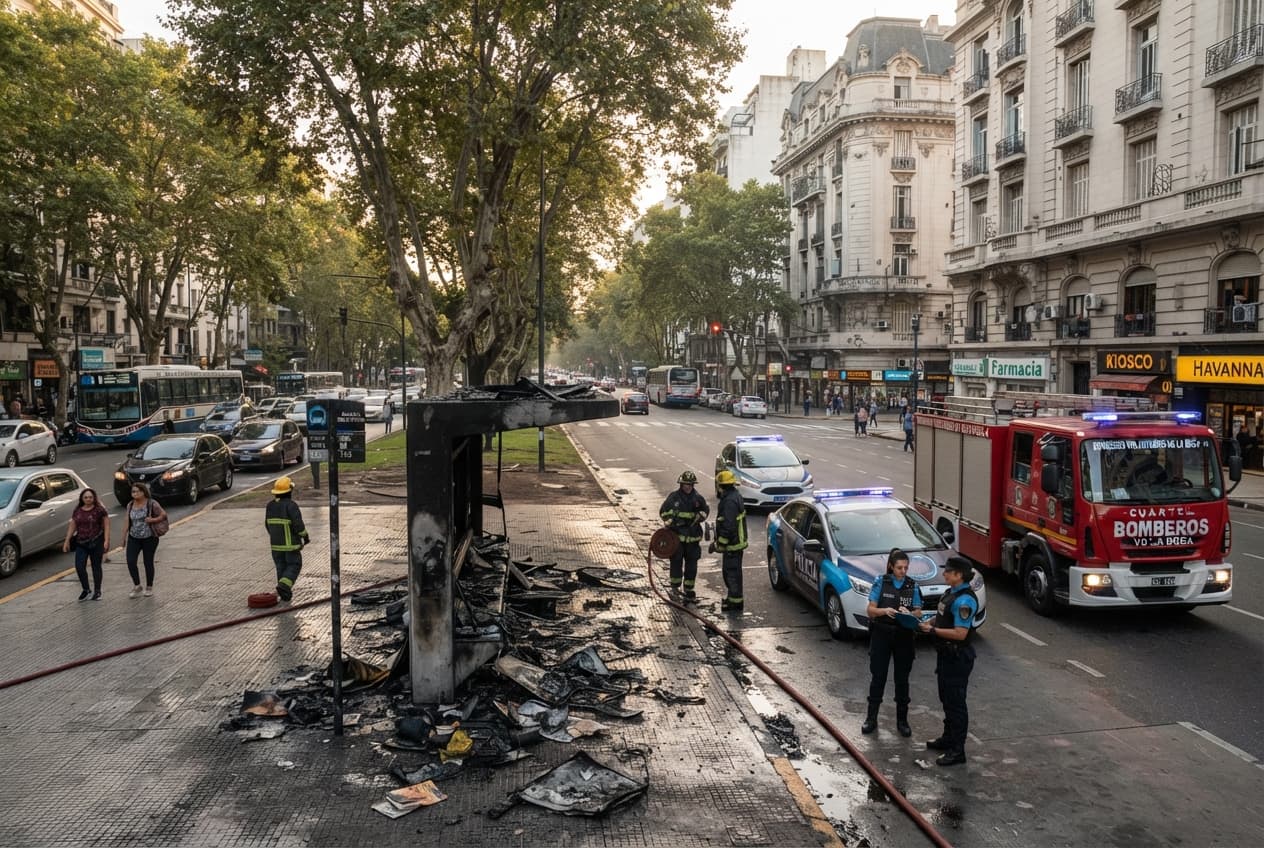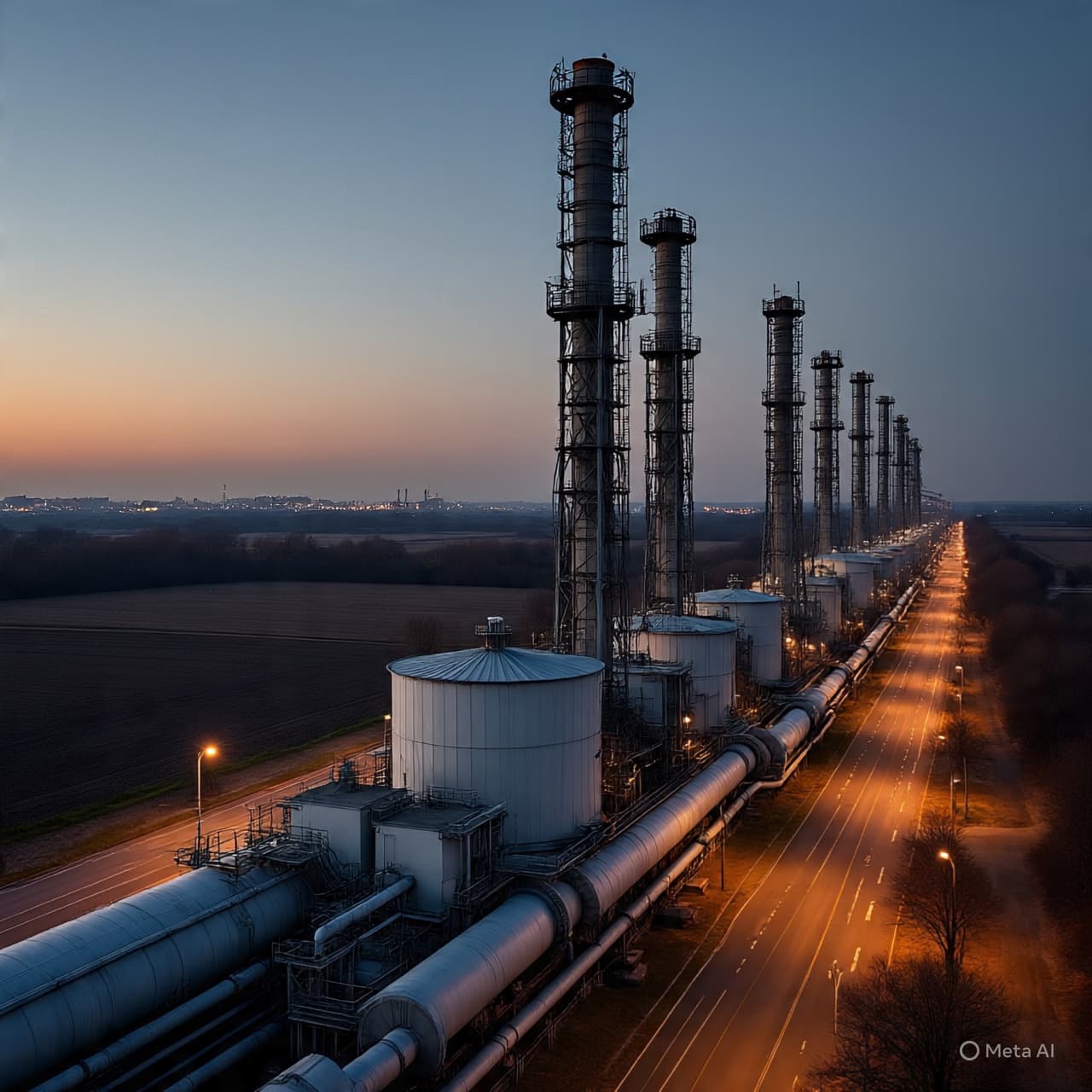
In Berlin, infrastructure rarely announces itself. Power stations hum at the edges of attention, cables disappear beneath pavement, and continuity is taken for granted as part of the city’s daily rhythm. That sense of quiet reliability was briefly unsettled this week, when an attack on a power station prompted the city’s mayor to issue a warning that extended well beyond a single site or incident.
The disruption itself was limited, and essential services continued to function. Yet the symbolism proved harder to contain. Infrastructure, by its nature, invites confidence precisely because it is unseen. When it becomes visible through violence or sabotage, it exposes how dependent modern cities are on systems designed for efficiency rather than resilience under stress.
The mayor’s remarks were measured but unmistakable in tone. This was not framed as panic, nor as an isolated security lapse. Instead, it was presented as a reminder: critical infrastructure, whether energy, transport, or communications, now occupies a different risk environment. What once belonged to the background of urban life increasingly sits within the foreground of public safety.
Berlin is not alone in facing this recalibration. Across Europe, governments have begun reassessing how well legacy infrastructure can withstand deliberate attacks, cyber interference, or coordinated disruption. Many systems were built in an era when redundancy was expensive and threats were predictable. Today, both assumptions are under strain.
The attack also arrives at a moment when infrastructure carries added political and economic weight. Energy networks, in particular, have become entangled with broader debates over security, sustainability, and sovereignty. A single incident, even without lasting damage, can ripple outward, influencing public trust and policy priorities alike.
City officials emphasized that investigations are ongoing and that no immediate threat to the public remains. Still, the language of reassurance was paired with an acknowledgment of vulnerability. It is a delicate balance: maintaining calm while admitting that certainty is no longer absolute.
What emerges is less a story about a single power station than about a city — and a continent — adjusting its assumptions. Infrastructure can no longer be treated solely as engineering. It is also strategy, security, and psychology. The mayor’s warning reflects that shift, suggesting that protection now requires not just guards and fences, but foresight.
Berlin’s lights stayed on. But the episode left behind a quieter illumination: a renewed awareness that the systems enabling everyday life are only as strong as the attention paid to their defense.
Published by Banx Network. This article is part of the Banx decentralized media programme, powered by the BXE token on the XRP Ledger.