Key Highlights
- Kiruna is relocating due to subsidence caused by mining operations.
- The city is moving several kilometers east to ensure safety and sustainability.
- This unprecedented transformation reflects broader challenges in balancing heritage and modern needs.
In the far north of Sweden, where winter stretches long and the earth conceals some of Europe’s richest mineral deposits, an entire city is slowly on the move. Building by building, street by street, Kiruna is being relocated — not because of war or disaster, but because the ground beneath it is quite literally giving way.
For more than a century, Kiruna has thrived in close partnership with the iron ore mine that sustains it. The same underground wealth that powered Sweden’s industrial rise is now forcing a reckoning. As mining operations expand deeper underground, the risk of subsidence has grown too great to ignore. Cracks have appeared, foundations have shifted, and authorities have concluded that much of the old city can no longer safely stand.
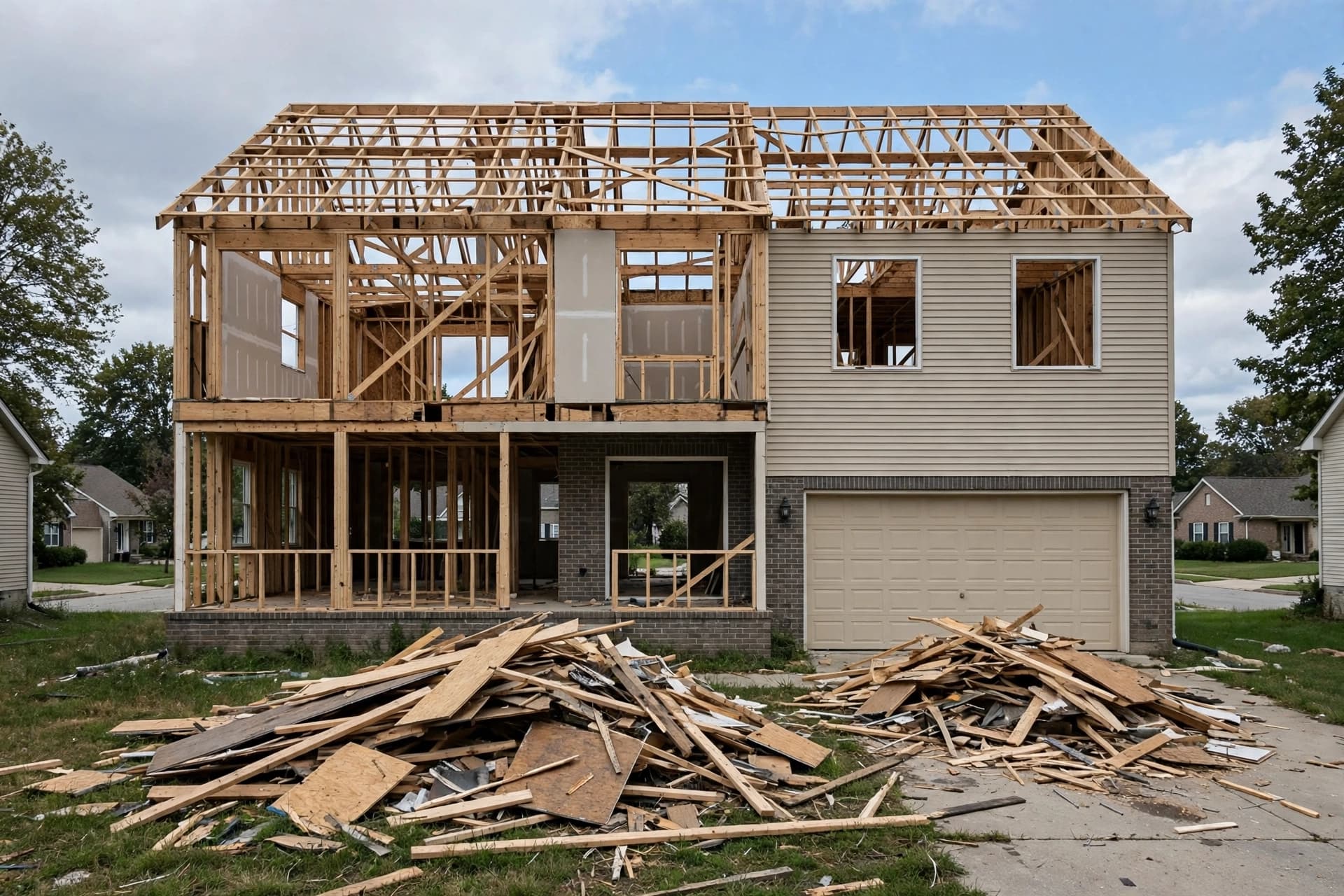
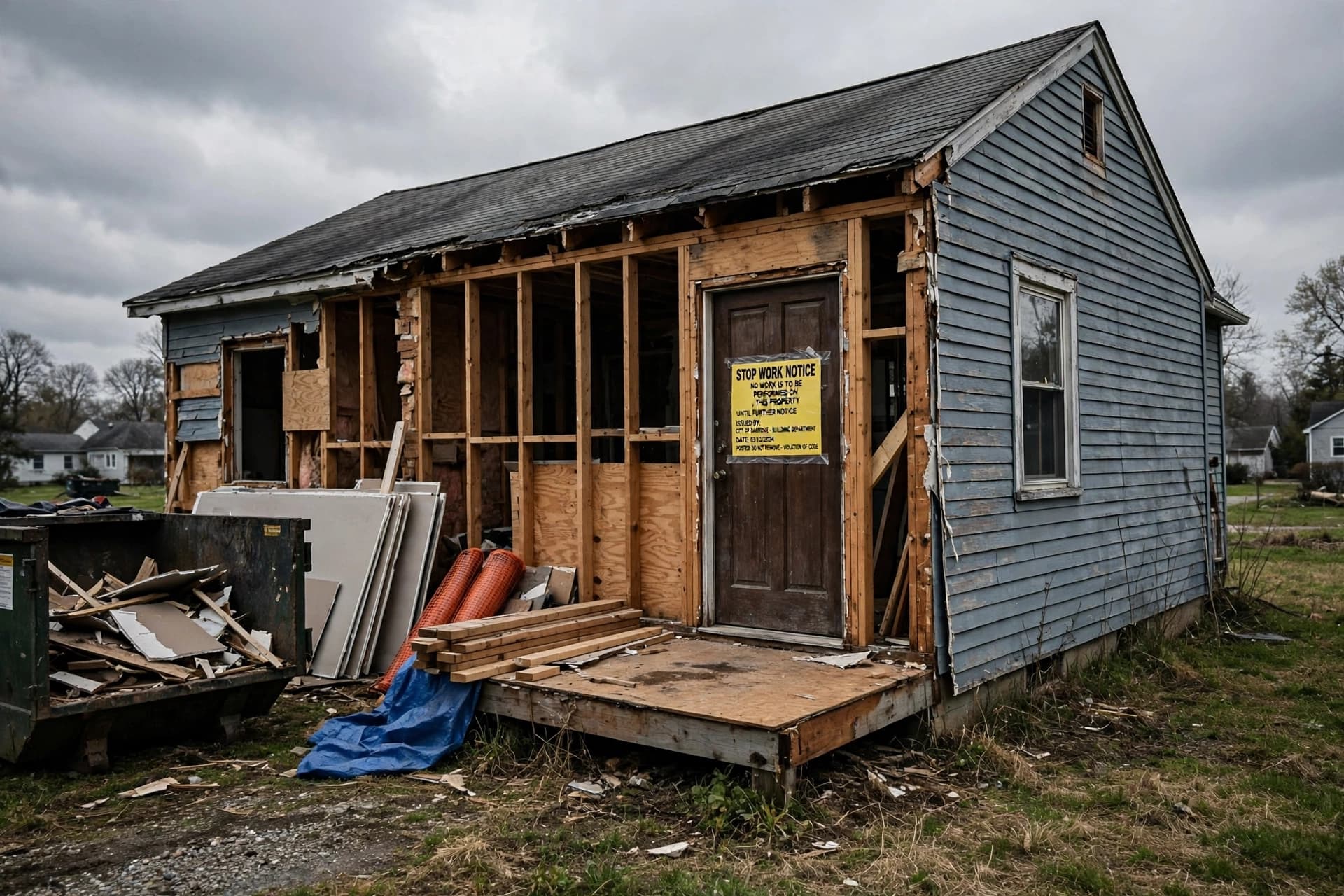
Rather than abandon the community, Sweden has chosen an unprecedented path: to move it. Homes, schools, and public buildings are being dismantled, transported, or reconstructed several kilometers east, where a new city center is taking shape. Some historic structures are lifted intact and relocated, while others are carefully documented before being replaced with modern equivalents.
The transformation is as logistical as it is emotional. For residents, relocation means leaving behind streets shaped by memory and routine. For planners, it requires balancing heritage preservation with modern design, sustainability, and safety. The process has unfolded gradually, allowing residents to adapt, but the sense of loss is tangible.
At the heart of this effort lies a broader reality. Europe’s push for domestic access to critical minerals — essential for green technologies and industrial independence — has placed renewed importance on long-established mining regions. Kiruna’s experience reflects a larger dilemma: how to reconcile environmental responsibility, economic necessity, and human continuity.
As the city shifts eastward, it becomes a rare experiment in planned transformation. Not a story of sudden displacement, but of a community choosing to move together rather than fracture apart. In doing so, Kiruna stands as a quiet testament to adaptation in an era where the ground beneath modern life is, quite literally, changing.
Published by Banx Network. This article is part of the Banx decentralized media programme, powered by the BXE token on the XRP Ledger.