
Key Highlights
- Urban Safety:A growing concern in Brazil's major cities.
- Infrastructure Challenges:Increasing population density strains city systems.
- Emergency Preparedness:Authorities focus on improving response strategies.
In Brazil’s major urban centers, where architectural growth and population density continue to rise, urban safety remains a central and evolving concern. Recent reports of safety-related incidents across different cities have once again highlighted the importance of preparedness in rapidly expanding environments. The interplay between urbanization and safety is crucial, as cities must adapt to the challenges posed by their own growth.
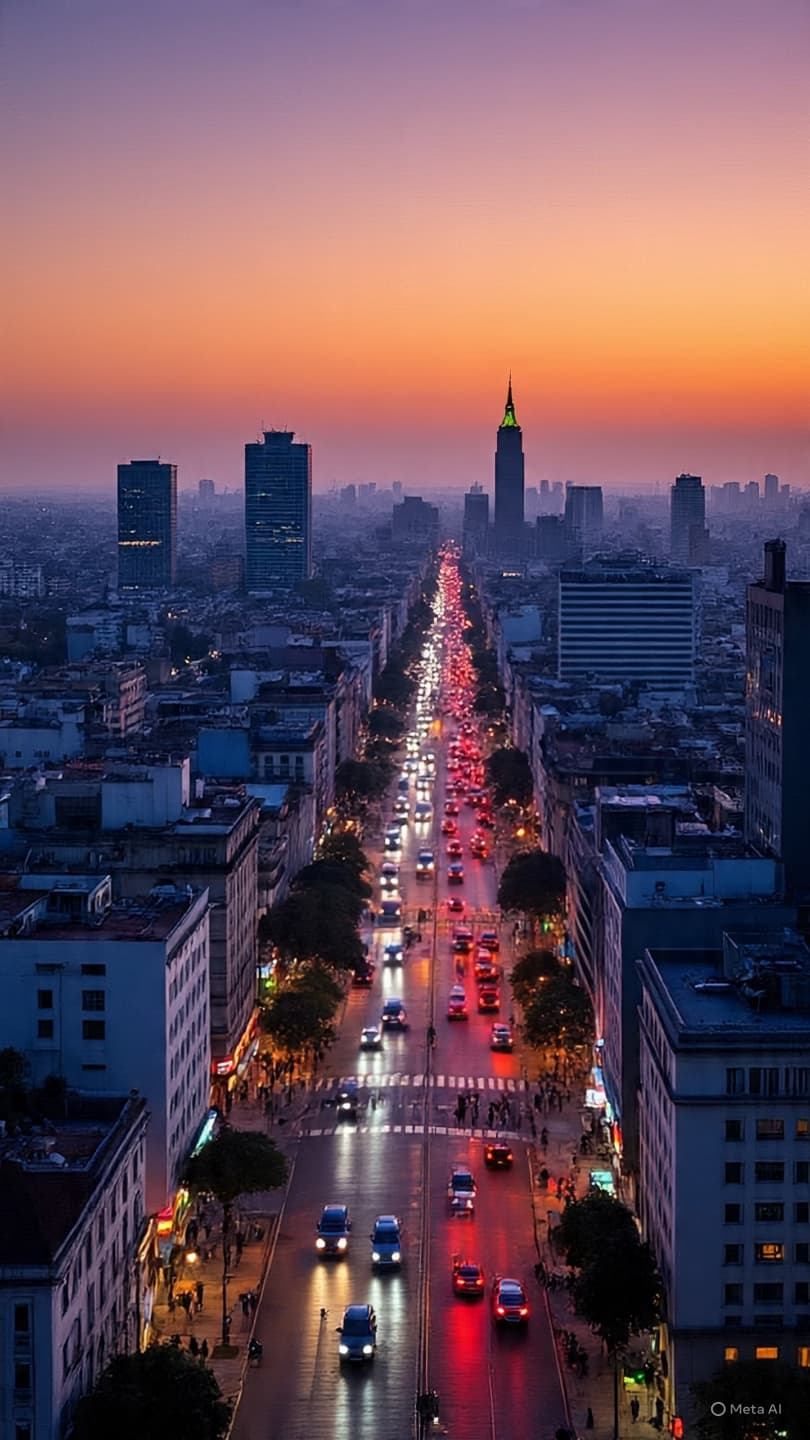
Urban life in Brazil is defined by movement—streets filled with commuters, commercial districts operating at full pace, and public spaces serving as hubs of social and economic activity. Within this dynamic environment, risks can emerge in multiple forms, including infrastructure strain, emergency response challenges, and environmental hazards. As cities expand, the complexity of managing these risks increases, necessitating a proactive approach to urban safety.
Authorities and city planners continue to emphasize improvements in building safety standards, emergency systems, and public awareness. Fire response readiness, evacuation planning, and regulatory enforcement remain key areas of focus, especially in densely populated zones where small incidents can escalate quickly. The need for robust infrastructure that can withstand the pressures of urban life is more critical than ever, as incidents can have far-reaching consequences for communities.
At the same time, cities continue to grow and modernize, reflecting Brazil’s broader development trajectory. This growth brings opportunity, but also reinforces the need for systems that can adapt to increasing complexity. Urban planners are tasked with creating environments that not only foster economic growth but also ensure the safety and well-being of residents.
As urban centers evolve, the ongoing question remains how to ensure that progress and safety move forward together, maintaining both vitality and resilience in everyday city life. The balance between development and safety is delicate, and it requires continuous dialogue among stakeholders, including government officials, urban planners, and the communities they serve.
In conclusion, addressing urban safety in Brazil is not just about responding to incidents as they occur; it is about creating a culture of preparedness and resilience that can withstand the challenges of modern urban life. As cities continue to grow, the commitment to safety must be unwavering, ensuring that all residents can thrive in their urban environments.
Published by Banx Network. This article is part of the Banx decentralized media programme, powered by the BXE token on the XRP Ledger.



