
Key Highlights
- Urban Crime:Street-level theft remains a significant issue in Mexico's cities.
- Safety Measures:Authorities are increasing policing and surveillance in key areas.
- Urban Dynamics:The balance between accessibility and security is a growing challenge.
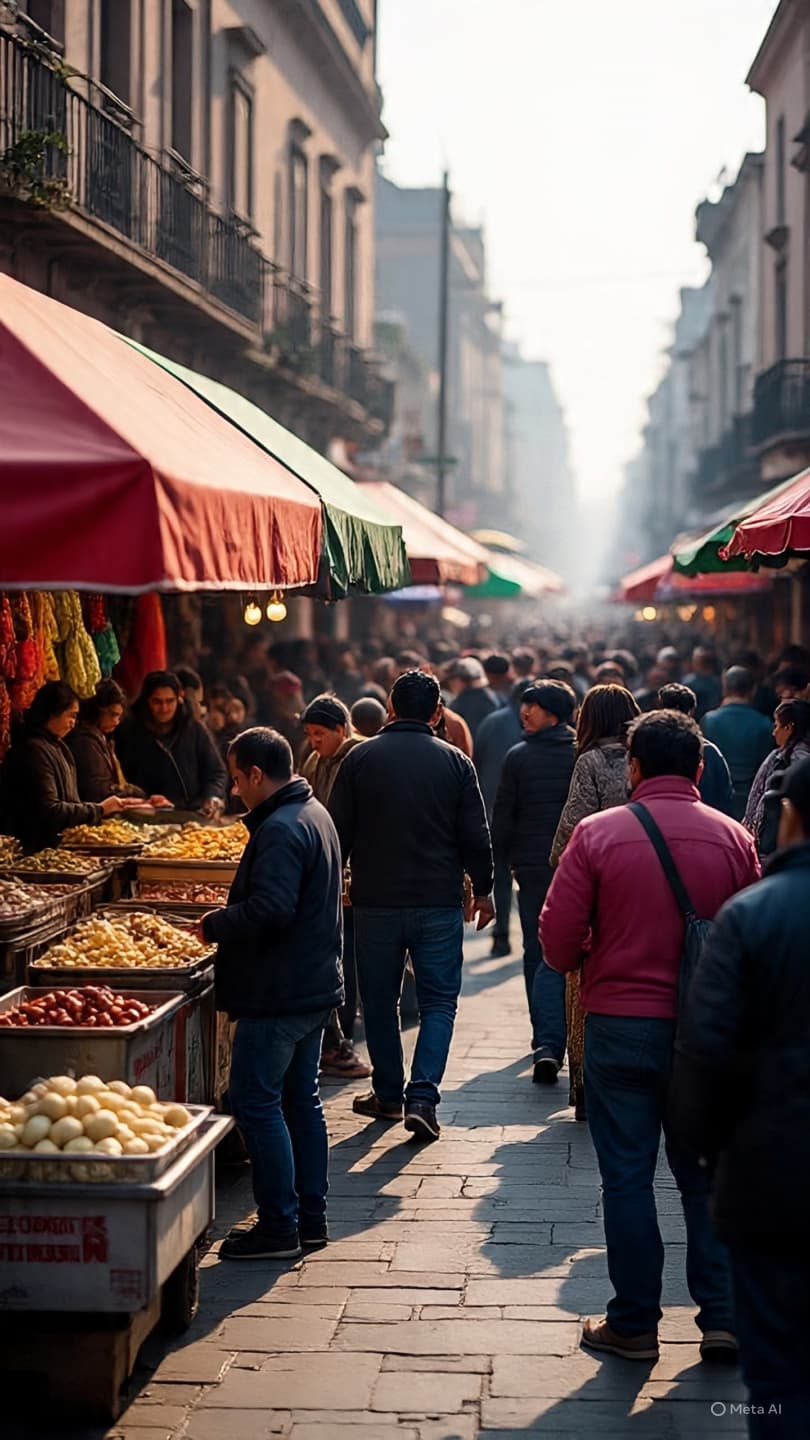
In Mexico’s crowded urban landscapes, where movement never truly slows and streets remain active from dawn until late night, incidents of street-level theft continue to shape how people experience daily life. In cities such as Mexico City and Guadalajara, recent reports of pickpocketing and opportunistic crime highlight the ongoing challenges of maintaining safety in densely populated public spaces.
These incidents often occur in transport hubs, commercial districts, and busy pedestrian corridors—places that serve as essential arteries of urban life. For residents, these environments are not unusual or avoided, but navigated with an added layer of awareness. Small adjustments in behavior—holding belongings closer, avoiding certain crowded moments, or choosing alternative routes—become part of everyday routine.
Authorities have increased visible policing and surveillance in key areas, aiming to reduce opportunities for theft and improve public confidence. However, the complexity of urban environments means that enforcement alone cannot fully eliminate risk. The interaction between population density, economic inequality, and informal street activity continues to influence patterns of petty crime.
Beyond statistics and enforcement, these incidents reflect a broader urban reality: cities that are vibrant, fast-moving, and deeply interconnected, yet constantly negotiating the balance between accessibility and security. As Mexico’s urban centers continue to grow, the challenge remains how to preserve openness and mobility while strengthening safety in shared public spaces.
The ongoing dialogue around urban crime in Mexico is not just about numbers; it is about the lived experiences of individuals navigating these environments. As communities adapt to the realities of urban life, the need for comprehensive strategies that address both crime prevention and community engagement becomes increasingly critical.
In conclusion, understanding the dynamics of crime in urban Mexico requires a multifaceted approach that considers the socio-economic factors at play. As cities evolve, so too must the strategies to ensure that they remain safe and welcoming for all residents.
Published by Banx Network. This article is part of the Banx decentralized media programme, powered by the BXE token on the XRP Ledger.



