
Key Highlights
- Islamabad serves as a crucial venue for diplomatic negotiations amid regional tensions.
- Israel expresses skepticism regarding Pakistan's role as a facilitator.
- The ongoing dialogue reflects a complex interplay of trust and historical context.
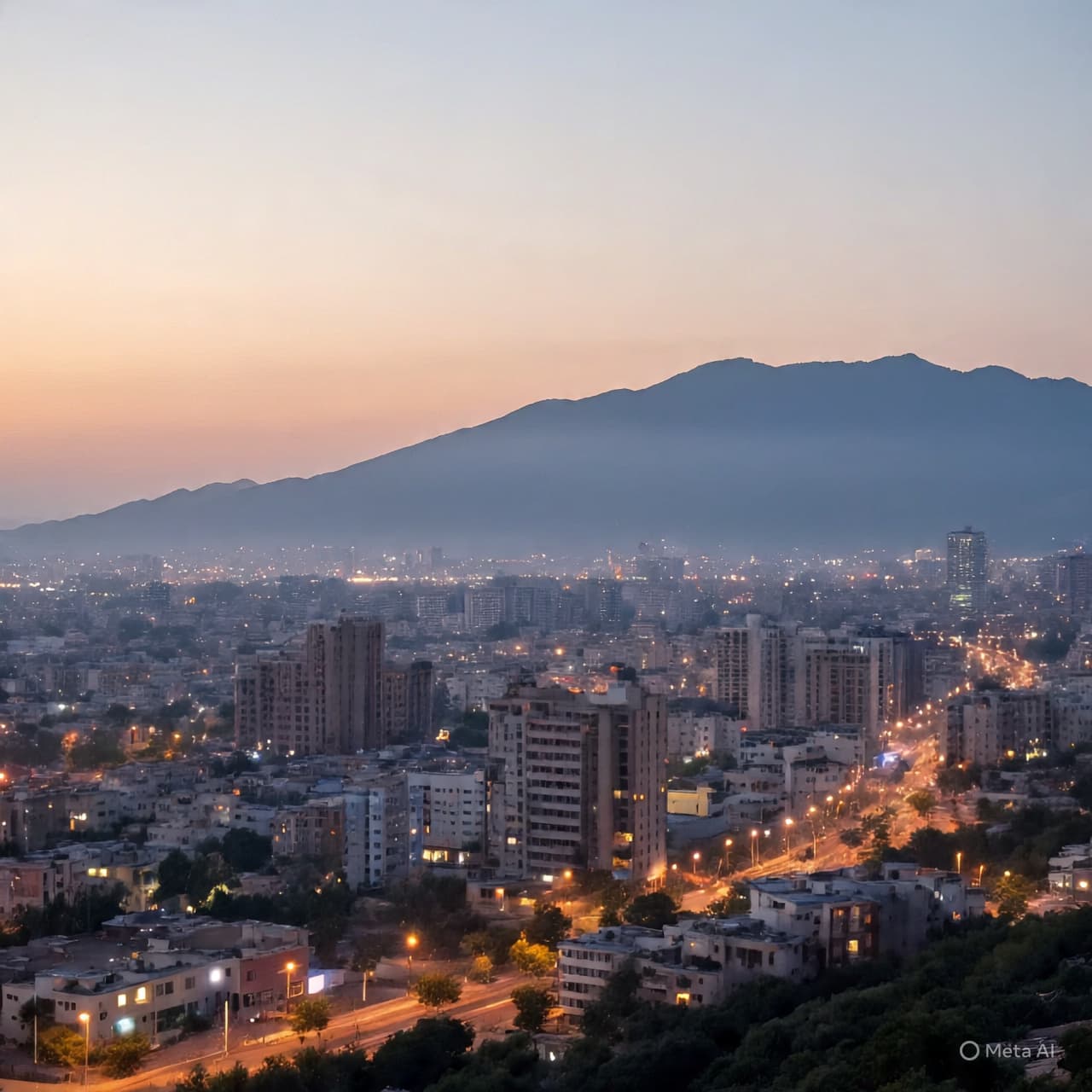
Islamabad, the capital of Pakistan, is once again at the center of international diplomacy, particularly in light of the ongoing tensions between Iran and the United States. As evening descends on the city, the atmosphere is charged with anticipation and uncertainty. The Margalla Hills cast long shadows, mirroring the complexities of the discussions that are set to unfold. In this context, the role of Islamabad as a facilitator of dialogue is both significant and contested.
Recent comments by Reuven Azar, an Israeli official, have highlighted the skepticism surrounding Pakistan's ability to act as a neutral intermediary. Azar's remarks underscore a broader concern within Israel regarding trust in Islamabad's diplomatic intentions. Historically, Pakistan has maintained a strong stance in support of Palestinian causes, which complicates its relationship with Israel. This backdrop of historical tensions and regional alignments shapes the current dialogue, where trust is not a given but a variable influenced by past interactions and present realities.
The choice of Islamabad as a venue for these negotiations is emblematic of the delicate balance that characterizes international diplomacy. While the city is not universally accepted as a neutral ground, it offers a unique opportunity for dialogue. The ongoing ceasefire between Iran and its adversaries remains fragile, with developments in Lebanon and the Strait of Hormuz adding layers of complexity to the situation. Each incident has the potential to disrupt the fragile peace, making the need for dialogue all the more pressing.
Statements like Azar's carry weight beyond their immediate context. They shape the atmosphere in which negotiations occur, influencing how messages are received and interpreted. Trust, once questioned, becomes a critical factor in the diplomatic equation. As the talks approach, the visibility of Pakistan's involvement remains limited, yet its central role in facilitating dialogue underscores the intricate dynamics at play.
As delegations prepare for discussions, Islamabad adopts a quiet yet resolute posture. The city becomes a focal point where distant tensions are drawn closer together, even as skepticism looms. The negotiations will inevitably carry the weight of expectation alongside the shadow of doubt. Israel's expressed concerns coexist with the practical necessity for dialogue, illustrating a reality where diplomacy often progresses without complete confidence.
In this delicate landscape, the outcome of the negotiations remains uncertain. The interplay between doubt and engagement will shape the future of these discussions, where even a modicum of trust may be sufficient to initiate a dialogue. As Islamabad continues to navigate its role in this complex web of relationships, the city stands as a testament to the challenges and possibilities inherent in international diplomacy.
Published by Banx Network. This article is part of the Banx decentralized media programme, powered by the BXE token on the XRP Ledger.



