
Key Highlights
- Conservation Success:Stable population of Pancic Spruce reported.
- Biodiversity Increase:More sightings of brown bears and golden eagles.
- Climate Monitoring:New strategies implemented for habitat protection.
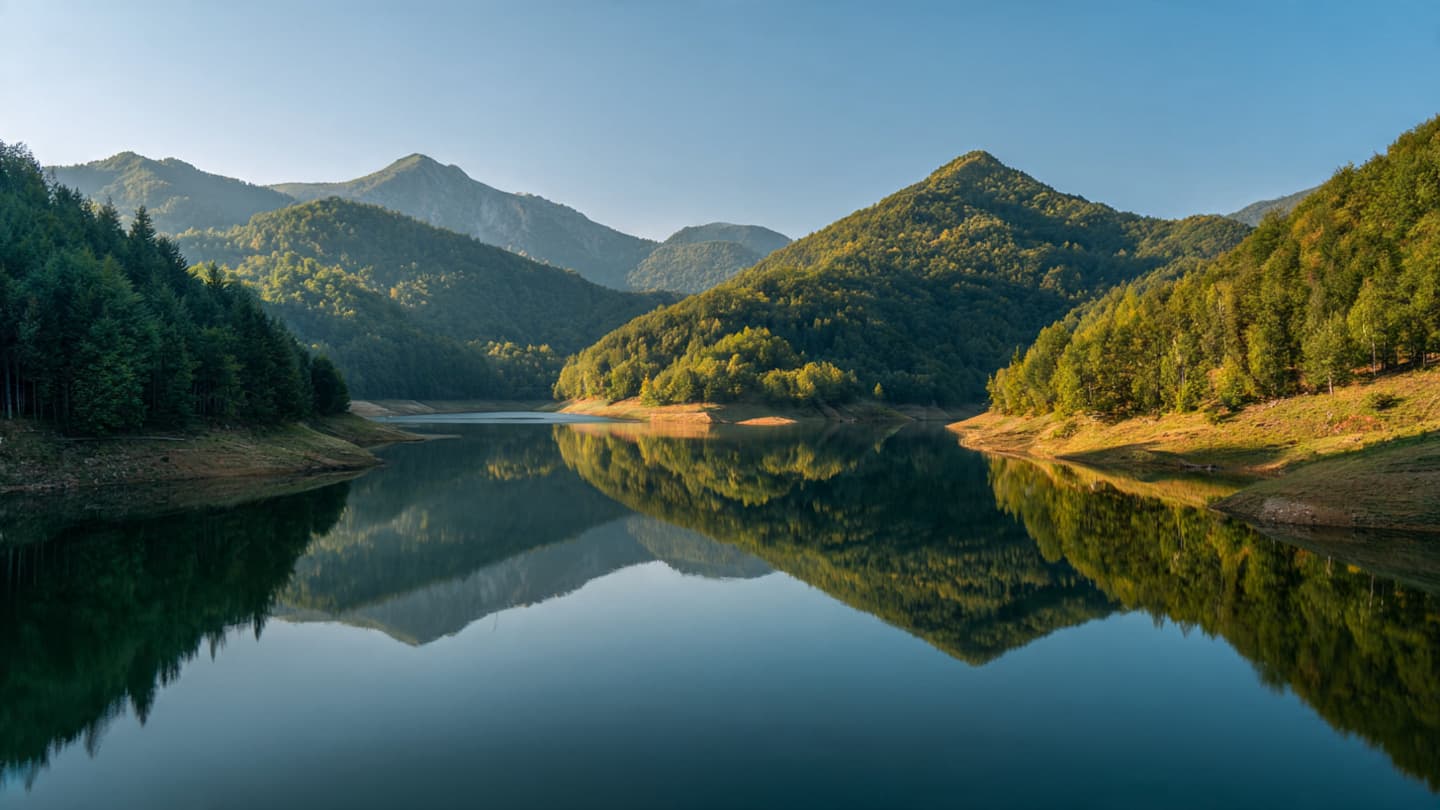
In the rugged, limestone heart of Western Serbia lies Tara National Park, a region characterized by its sheer cliffs and dense forests, home to the Pancic Spruce—a tree often referred to as a "living fossil" due to its survival from the pre-glacial era. The park's unique ecosystem is not only a natural wonder but also a vital area for biodiversity, where the air is filled with the sharp scent of resin and the earthy dampness of ancient moss. Visitors to the lookout at Banjska Stena are treated to breathtaking views of the emerald Drina River canyon, a testament to the geological history of the Balkans.
The Pancic Spruce (Picea omorika), discovered by botanist Josif Pancic in the 19th century, stands as a symbol of resilience against environmental changes. This elegant tree, with its slender silhouette and silver-green needles, has adapted to the harsh conditions of the high country, thriving in thin soil and enduring cold winters. Its presence in the park reflects the rugged character of the landscape, embodying the endurance required to survive in such a challenging environment.
Recent conservation efforts have yielded positive results for the Pancic Spruce. The Management of Tara National Park has reported a stable population of this endangered species, thanks to targeted habitat protection initiatives. Biodiversity surveys conducted over the past year have also indicated an increase in sightings of other key species, including the brown bear and the golden eagle. These developments signal a healthy recovery of the park's ecosystems, underscoring the importance of ongoing conservation work.
The light in Tara National Park shifts dramatically throughout the day, illuminating the intricate textures of the limestone and the delicate patterns of ferns that cling to the canyon walls. This dynamic environment serves as a reminder of the interconnectedness of all life forms within the ecosystem. The smallest lichen plays a crucial role in maintaining the health of the forest, just as the largest trees do. The complexity of this landscape allows it to withstand the challenges posed by climate variability, including rising temperatures and changing precipitation patterns.
As authorities continue to monitor the impact of climate change on the park's high-altitude forests, they are implementing new fire-prevention strategies and promoting sustainable tourism practices. These efforts aim to preserve the unique natural heritage of Tara National Park while allowing visitors to experience its beauty responsibly. The park does not seek human attention; it simply exists as a persistent and beautiful presence, reminding us of the scale and mystery of the natural world.
As the sun sets over the peaks, casting a golden hue across the landscape, the memory of the dark woods and the emerald river lingers. The scent of the Pancic Spruce and the cool mountain air create a lasting impression, reinforcing the significance of this natural sanctuary. Tara National Park stands as a silent guardian of the Serbian west, a living museum of the planet's history and a testament to the resilience of nature.
Published by Banx Network. This article is part of the Banx decentralized media programme, powered by the BXE token on the XRP Ledger.



