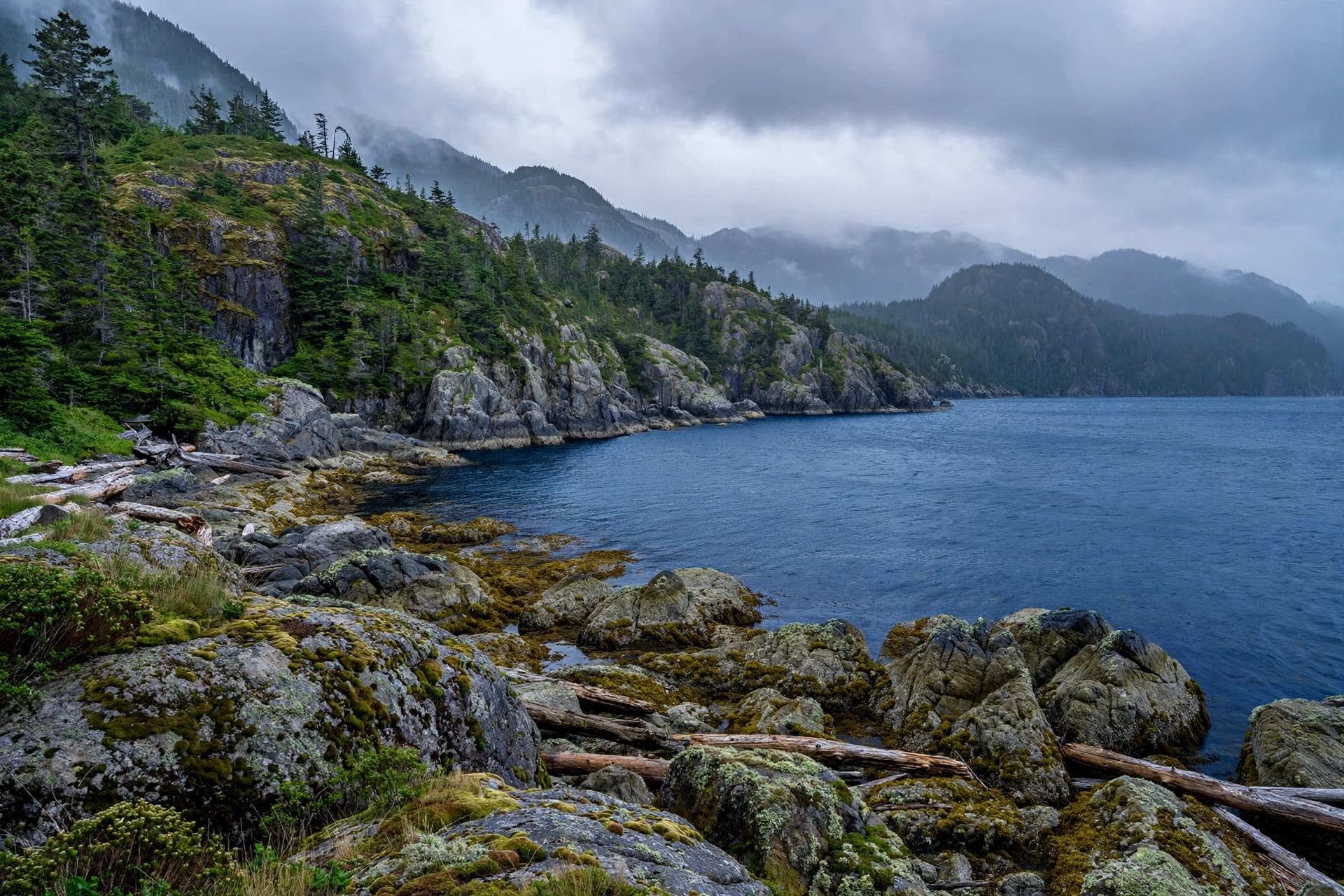
There are decisions that are made in the abstract and decisions that are made with a map on the table, and the B.C. oil tanker ban belongs to the latter. The northern coast of British Columbia is not a theoretical place. It is a stretch of water and shoreline where the risk of a spill is not a hypothetical but a possibility that must be weighed against the promise of economic gain. On Wednesday, the Liberal government voted to keep the ban in place, defeating a Conservative bill that would have repealed it, and in doing so reaffirmed a choice that has divided the country for years.
The vote was along party lines during second reading in the House of Commons, with only the Conservatives supporting the bill's passage to committee stage . The existing law, the Oil Tanker Moratorium Act, prohibits tankers carrying more than 12,500 metric tonnes of crude oil from operating in the waters along British Columbia's northern coast . It was implemented in 2019 under Justin Trudeau's government, and Prime Minister Mark Carney made a rare appearance in the House to vote in person, having struck a deal with the B.C. government earlier this summer to keep the ban in place .
The Conservative argument is straightforward. The ban, they say, is undermining Canada's prosperity by limiting the potential for oil exports from the northern coast to international markets. Pierre Poilievre has called it a "gigantic, multi-billion-dollar gift to Donald Trump's America," pointing to the preferential pricing the U.S. receives for Canadian oil . Conservative MP David McKenzie, who introduced the bill, said its defeat would leave Canadian businesses facing continued obstacles to expanding beyond the U.S. market . The Conservatives had proposed shipping up to 250,000 barrels a day from Prince Rupert via rail to Asian markets, a plan that required the ban's repeal .
What makes the vote particularly notable is the position of British Columbia's incoming premier. Lorne Doerkson, a Conservative, might have been expected to support a federal Conservative bill. He did not. In a statement, Doerkson said his government's focus is on the Pacific Link pipeline, which takes a southern route and has been declared in the national interest . "I don't accept that we have to choose between protecting our coast and building our economy," he said. "British Columbia will do both" . The statement was a quiet rebuke of the federal party's position, delivered without confrontation but with clarity.
The debate over the tanker ban is not really about tankers. It is about what Canada owes to its coasts and what it owes to its resource sector, and whether those obligations can be reconciled. The Liberals have chosen to prioritize the coast, at least for now. The Conservatives have chosen to prioritize export access. Both positions have legitimate constituencies, and both carry risks that are not easily dismissed.
For the communities along the northern coast, the vote is a relief. For the energy sector and the provinces that depend on it, it is a frustration. For the federal government, it is a decision that will be tested again, because the underlying tensions have not been resolved. The Pacific Link pipeline will proceed south, but the question of northern exports will not disappear. The ban remains, and so does the argument.
Image note: The images in this article were generated using artificial intelligence and do not depict the actual parliamentary proceedings or the individuals involved.
Sources: The Canadian Press, The Spec, The Lethbridge Herald, CP24, Western Standard
Published by Banx Network. This article is part of the Banx decentralized media programme, powered by the BXE token on the XRP Ledger.