Key Highlights
- Recent Sale:A Downtown Vancouver condo sold for $4.2 million, below its 2009 price.
- Market Trends:The sale reflects a potential shift in the city's real estate market dynamics.
- Broader Context:Analysts note increased inventory and muted demand in the condo sector.
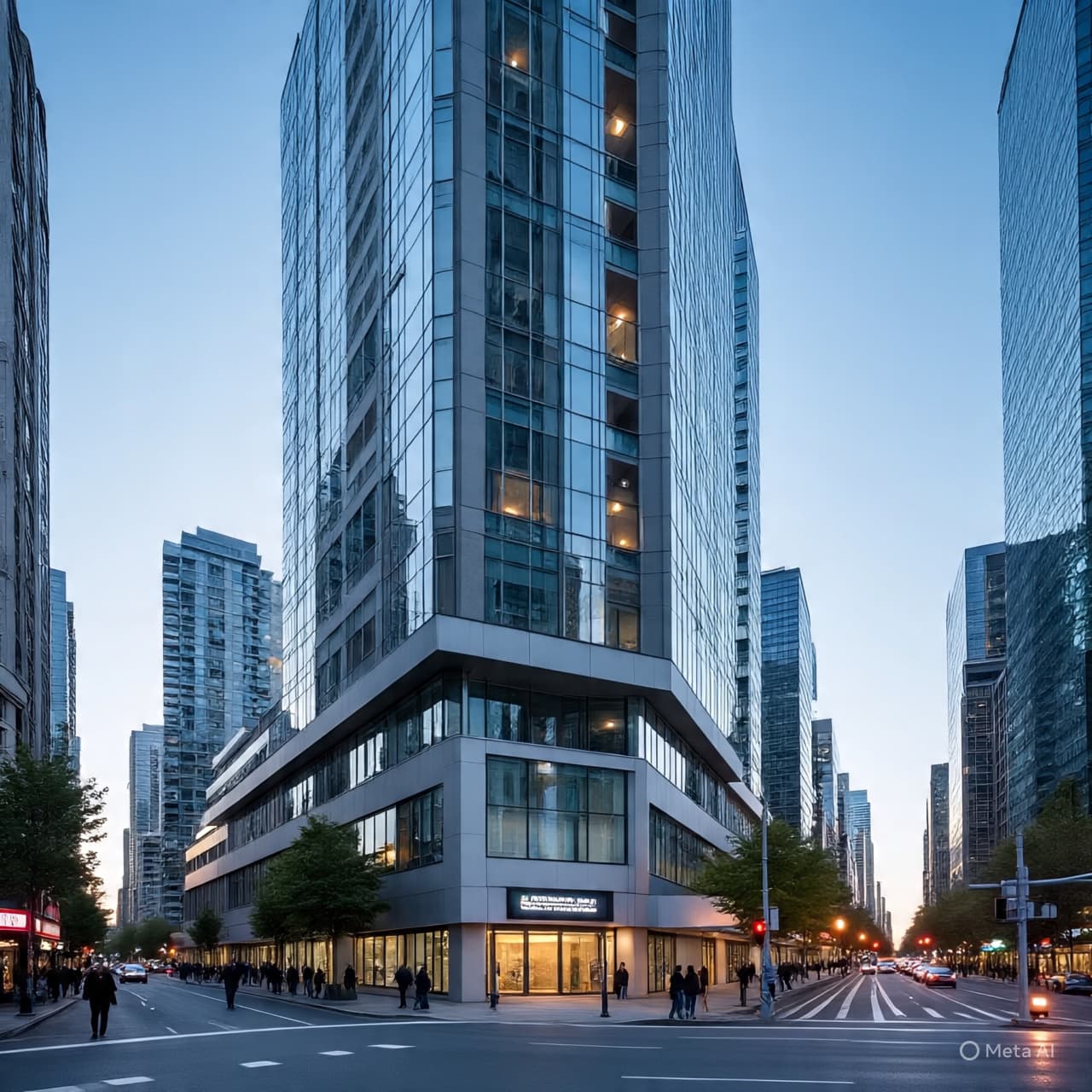
In the vibrant city of Vancouver, where the skyline is a testament to architectural ambition and economic growth, a recent real estate transaction has sparked conversations about the future of the housing market. A condominium located on West Cordova Street, once a symbol of the city’s soaring property values, has changed hands for $4.2 million — a price that is surprisingly lower than what it fetched in 2009. This sale serves as a poignant reminder that even in a market characterized by upward trends, fluctuations can occur, prompting a reassessment of value and sentiment.
The condo's journey through time is emblematic of the broader shifts occurring within Vancouver's real estate landscape. Over the past decade, the city has experienced a relentless rise in property prices, driven by factors such as population growth, foreign investment, and limited housing supply. However, the recent sale indicates a potential cooling in the market, as buyers and sellers navigate a landscape marked by increased inventory and a more cautious approach to transactions.
Market analysts have noted that the condo sector is currently experiencing a period of adjustment. With a growing number of available units and a decline in buyer urgency, properties that once commanded premium prices are now being sold with more deliberation. This shift is not merely anecdotal; it reflects a broader trend where the dynamics of supply and demand are evolving, leading to a more balanced market.
While the sale of this particular condo may not define the entirety of Downtown Vancouver's real estate market, it does highlight the importance of context in understanding property values. Factors such as location, the condition of the unit, and the timing of the sale all play crucial roles in determining price. As such, this transaction serves as a reminder that real estate markets are not monolithic; they are influenced by a myriad of variables that can lead to unexpected outcomes.
As Vancouver continues to grapple with its housing challenges, this condo sale invites reflection on the future trajectory of the market. Will this be a moment of transition, or merely a blip in the ongoing narrative of growth? The answers may lie in the evolving preferences of buyers, the economic landscape, and the city's ability to adapt to changing circumstances.
In conclusion, the recent sale of the Downtown Vancouver condo is more than just a transaction; it is a signal of potential change in a market that has long been associated with rising prices. As residents and analysts alike ponder the implications of this sale, it serves as a thoughtful footnote in the ongoing story of Vancouver's real estate landscape, reminding us that even in a city defined by its ambition, there is always room for reflection and reevaluation.
Published by Banx Network. This article is part of the Banx decentralized media programme, powered by the BXE token on the XRP Ledger.