
Key Highlights
- Ongoing military strikes in southern Lebanon despite ceasefire.
- Lebanese authorities condemn Israeli actions as violations.
- International diplomatic efforts aim to stabilize the region.
The concept of a ceasefire often evokes images of tranquility following a storm, yet the reality along the Israel-Lebanon border tells a different story. Recent reports have highlighted that military activity continues unabated, drawing renewed international scrutiny to a region where peace has historically been fleeting.
Israeli forces have reportedly conducted military strikes in southern Lebanon, despite existing ceasefire agreements aimed at reducing hostilities. Israeli officials maintain that these operations are essential for addressing security threats posed by armed groups near the border, particularly Hezbollah. The Israeli government argues that its actions are a necessary response to ongoing provocations, emphasizing the need to protect its citizens from potential attacks.
In stark contrast, Lebanese authorities have condemned these military actions, labeling them as violations of previously established agreements. Officials in Beirut have expressed grave concerns that such strikes could exacerbate an already volatile situation, potentially undermining ongoing diplomatic efforts facilitated by international mediators. The Lebanese government has called for immediate cessation of hostilities and adherence to the terms of the ceasefire.
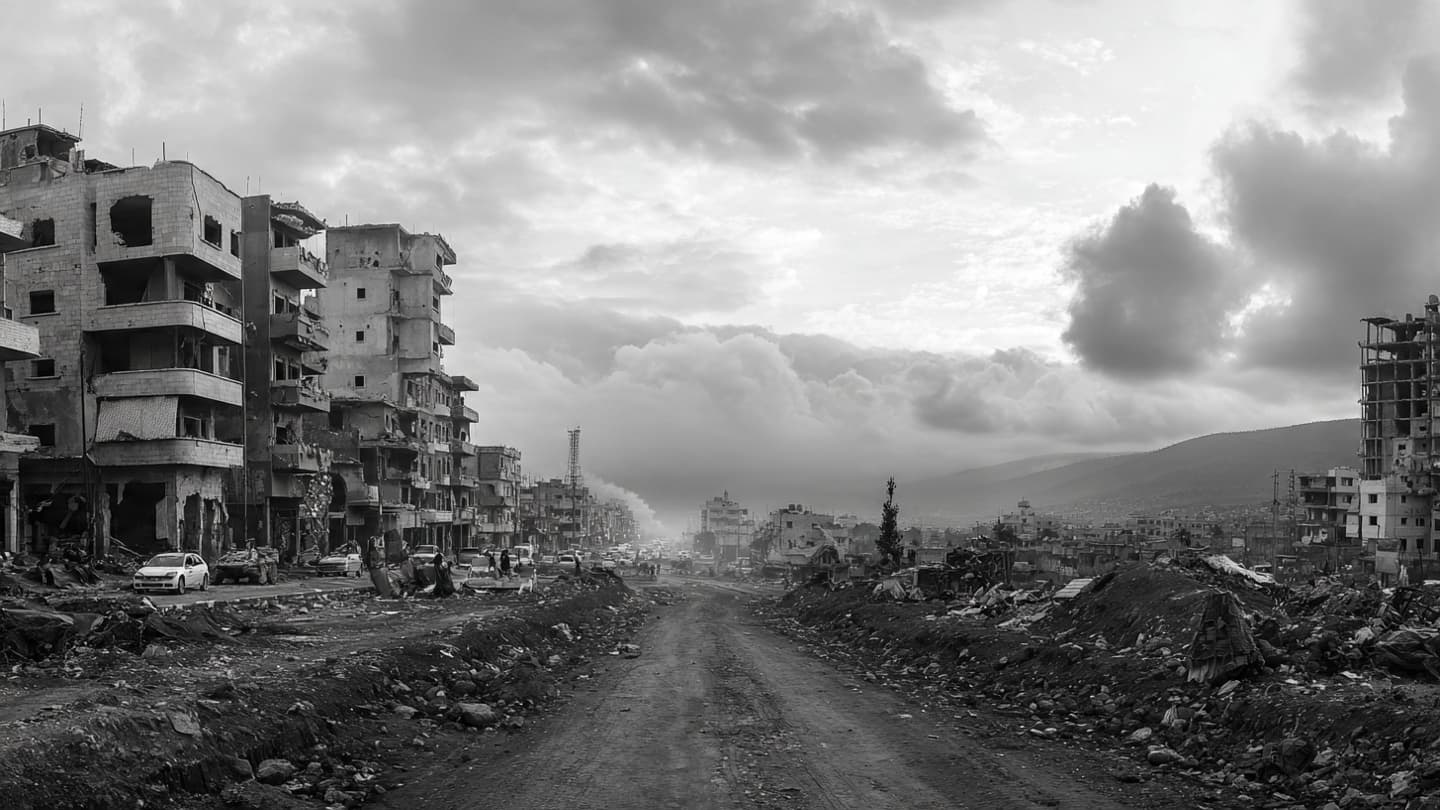
The impact of these military operations is being felt acutely by communities living near the border. Reports indicate that residents in several villages are facing renewed displacement, with families once again fleeing their homes due to fears of escalating violence. Humanitarian organizations have raised alarms about the deteriorating conditions for civilians, highlighting the strain on local infrastructure and the urgent need for humanitarian assistance.
Amid these tensions, international diplomatic efforts are ongoing. The United States, France, and the United Nations have all urged restraint from both Israel and Lebanon, stressing the importance of maintaining existing ceasefire mechanisms to prevent a broader regional conflict. These diplomatic channels are crucial, as the situation remains precarious, with the potential for isolated incidents to trigger wider confrontations.
Analysts emphasize that the Israel-Lebanon frontier has long been one of the Middle East's most sensitive flashpoints. The presence of armed groups in southern Lebanon, particularly Hezbollah, continues to influence Israel's security calculations. Conversely, Lebanese leaders argue that long-term stability can only be achieved through sustained diplomatic engagement and respect for international agreements.
As international observers monitor the situation closely, the delicate nature of ceasefires becomes evident. The ongoing military activity underscores the complexities of achieving lasting peace in a region marked by historical grievances and security concerns. While diplomatic efforts remain active, the realities on the ground serve as a stark reminder of the challenges that lie ahead in the quest for stability in the Israel-Lebanon border area.
Published by Banx Network. This article is part of the Banx decentralized media programme, powered by the BXE token on the XRP Ledger.



