

Key Highlights
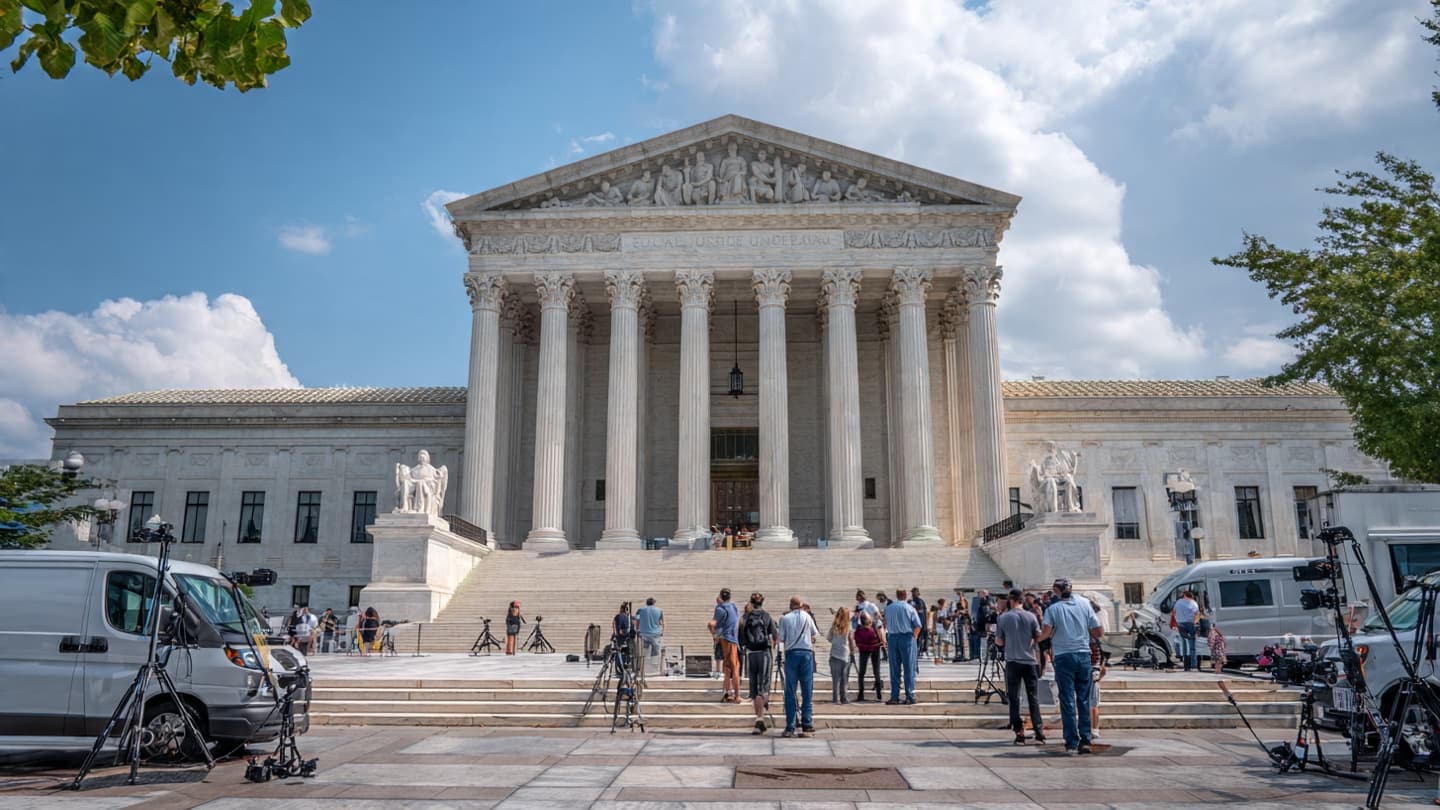
- Supreme Court Decision:The U.S. Supreme Court reinstated Pedro Hernandez's murder conviction in the Etan Patz case.
- Historical Context:Etan Patz's disappearance in 1979 significantly impacted child safety awareness in America.
- Legal Implications:The ruling emphasizes the challenges of overturning state convictions in federal courts.
The story of Etan Patz, a six-year-old boy who vanished in New York City in 1979, remains a haunting chapter in American history. His disappearance not only captured national attention but also transformed public perceptions of child safety and the protocols surrounding missing persons cases. Recently, the U.S. Supreme Court made a pivotal decision by reinstating the murder conviction of Pedro Hernandez, who was found guilty of killing Patz.
The Supreme Court's ruling overturned a previous decision by a lower court that had granted Hernandez a new trial based on claims of improper jury instructions. The Court's decision underscores the stringent standards that federal courts must meet to overturn state criminal convictions, particularly in cases involving jury instructions. This ruling reaffirms the legal principle that state courts have considerable authority in managing their criminal justice processes.
Etan Patz disappeared on May 25, 1979, while walking to his school bus stop in Manhattan's SoHo neighborhood. His case became one of the most notorious missing child cases in U.S. history, prompting widespread media coverage and public outcry. The case not only highlighted the vulnerabilities of children but also led to significant changes in how missing children cases are handled, including the establishment of National Missing Children's Day.
In 2012, Pedro Hernandez, a former convenience store clerk, confessed to luring Etan into a basement and killing him. Despite the absence of Etan's body, prosecutors argued that Hernandez's confession, along with corroborating evidence, warranted a conviction. However, Hernandez's defense team contended that his confessions were coerced and unreliable, citing his mental health history and the circumstances surrounding his statements.
The legal battle surrounding Hernandez's conviction has been protracted, with multiple appeals raising questions about the integrity of the confession and the fairness of the trial. Legal experts have noted that the Supreme Court's decision serves as a reminder of the complexities involved in criminal law, particularly in cases that attract significant public interest and media scrutiny.
The Etan Patz case continues to resonate in American society, not only for its legal implications but also for its lasting impact on child safety initiatives. The Supreme Court's ruling ensures that Hernandez's conviction remains intact, closing another chapter in a case that has shaped public discourse around child abduction and safety for over four decades.
As the nation reflects on the legacy of Etan Patz's disappearance, the case serves as a poignant reminder of the ongoing challenges in ensuring the safety of children and the importance of vigilance in protecting vulnerable populations.
Published by Banx Network. This article is part of the Banx decentralized media programme, powered by the BXE token on the XRP Ledger.




