
In the quiet corridors of British political life, even the smallest policy shift can feel like a stone dropped into a still pond—sending widening rings of debate across party lines and public opinion. On Wednesday, that stone was a pledge from Sir Keir Starmer to challenge a sharply controversial policy change from Reform UK: the restoration of the two-child benefit cap in full. What might appear at first glance as another point of welfare reform has instead sparked a tussle over values, poverty and national priorities in a way that resonates far beyond Westminster.
Reform UK’s newly designated Treasury spokesperson, Robert Jenrick, used his first speech in the role to outline the party’s economic direction, including reinstating the benefit cap that limits support for large families. Jenrick defended the shift as part of a broader effort toward fiscal discipline, describing the policy as unaffordable in its previous form and positioning the party as focused on “workers, not welfare.”
Across the political aisle, Sir Keir spoke with measured but firm language, describing Reform’s pledge as “shameful” and warning that reversing the cap could mean hundreds of thousands of children being pushed back into poverty. He contrasted this sharply with the Labour government’s decision to scrap the limit earlier this year as part of efforts to reduce child poverty.
The two-child benefit cap has long been a lightning rod in British social policy. Originally introduced years ago as a means to contain welfare costs and influence family-planning incentives, it has drawn persistent criticism from anti-poverty advocates and progressive politicians who argue that it disproportionately impacts children who have no say in their families’ finances. In recent years, the debate intensified and became a focal point in arguments over the future direction of the welfare state.
Labour officials and allies echoed Starmer’s framing, saying Reform’s stance aligns with policies they argue deepen child poverty rather than alleviate it. Critics within Labour framed the debate as a fundamental choice about what kind of society Britain should be: one that supports families through economic hardship or one that prioritises stringent fiscal restraint even at the risk of widening inequality.
For Reform UK, the benefit cap pledge sits alongside other announced welfare changes and broader ambitions to reshape tax codes and public spending. The party has signalled its intent to maintain independence for institutions like the Bank of England and even reform the Office for Budget Responsibility to reflect its economic philosophy.
Observers note that this clash illustrates the broader ideological tensions playing out across British politics today: debates over social support systems, economic responsibility, and the role of the state in citizens’ daily lives. While proponents of the cap emphasise fiscal prudence and incentivising work, opponents paint the policy as punitive toward vulnerable families.
As the political conversation unfolds, both sides will no doubt sharpen their arguments ahead of the next general election. In the meantime, this exchange over welfare highlights the enduring challenge in democratic societies of balancing economic management with concern for those facing hardship.
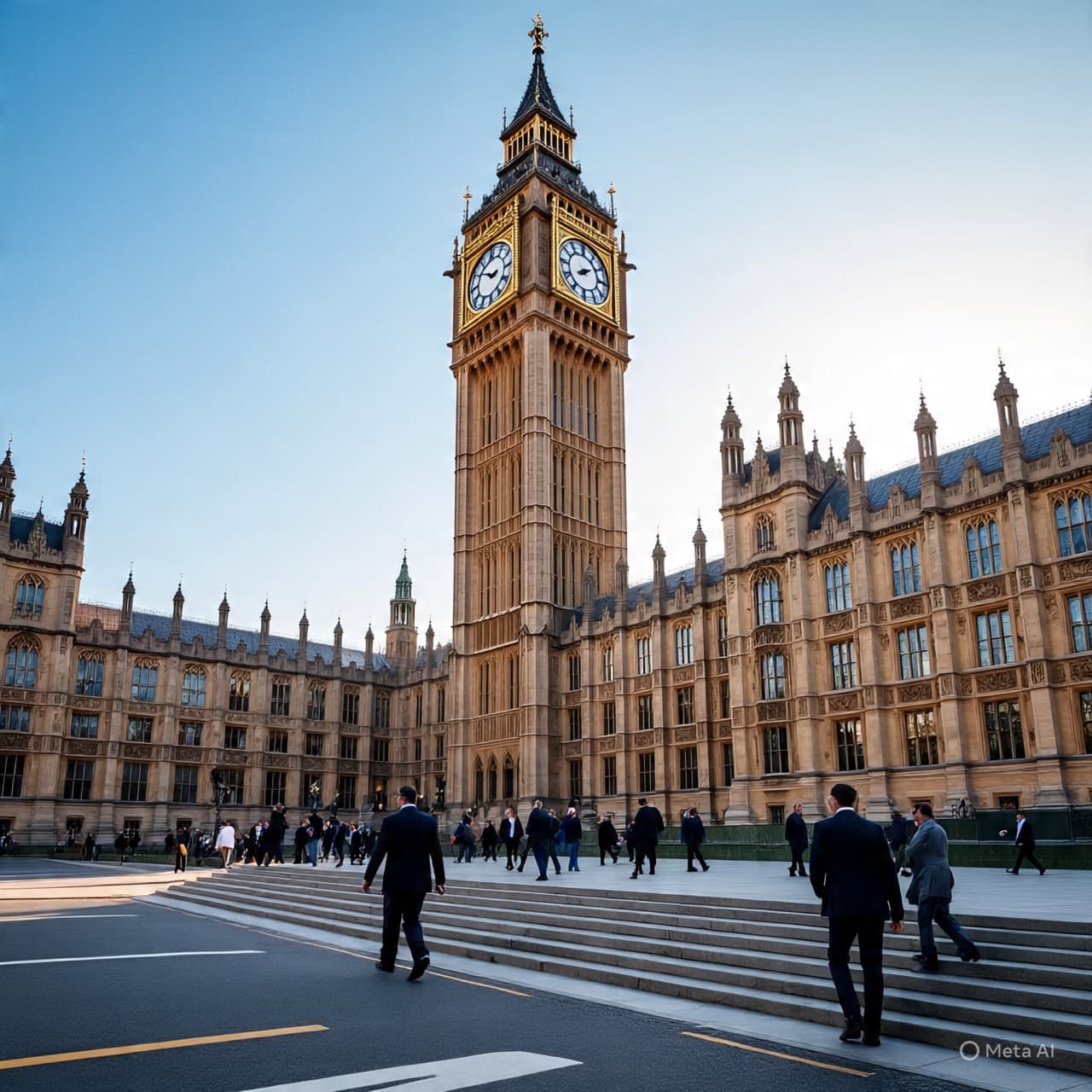
AI IMAGE DISCLAIMER Visuals are created with AI tools and are not real photographs.
SOURCES BASED ON SOURCES ROLE Reuters — covered Reform UK policy announcement. BBC News — reported Starmer’s remarks and Labour response. The Guardian — live coverage of events. The Independent — detailed policy context. Yahoo News UK — analysis of reactions and poverty impact.
Published by Banx Network. This article is part of the Banx decentralized media programme, powered by the BXE token on the XRP Ledger.
.jpg&w=3840&q=75 "Blake Lively Awarded $400,000 in Legal Fees After Justin Baldoni Lawsuit Dismissed")

