

Key Highlights
- Incident:A graphic image linked to a student has circulated at University College Dublin.
- Response:University president Orla Feely warns against harmful speculation.
- Community Impact:Students demonstrate in solidarity with survivors of sexual violence.
[Incident Overview] Universities are often imagined as places of light—corridors of inquiry where ideas are exchanged freely and learning grows like a slow, steady flame. Yet even in such spaces, shadows sometimes gather. Recently, a deeply distressing situation unfolded at University College Dublin (UCD) surrounding the circulation of a graphic image linked to a student. This incident has stirred concern, debate, and emotion within the university community, highlighting the challenges of managing information in the digital age.
[University's Response] As the situation developed, UCD President Orla Feely addressed staff and students, emphasizing that the rampant speculation surrounding the incident was becoming increasingly harmful to the wider campus community. The university reported that disturbing messages and images associated with the case were circulated through unidentified email accounts and unknown phone numbers, complicating efforts to trace the source of the distribution. Authorities, including Ireland’s national police service, are currently handling the investigation due to the complexity of the situation.
[Investigation Challenges] Given the sensitive nature of the case, UCD has stated that it cannot conduct a parallel internal inquiry while the criminal investigation is underway. Officials have expressed that doing so could risk interfering with legal processes that may later determine accountability. This institutional caution reflects an effort to protect both potential evidence and the rights of those involved, underscoring the delicate balance between transparency and legal integrity.
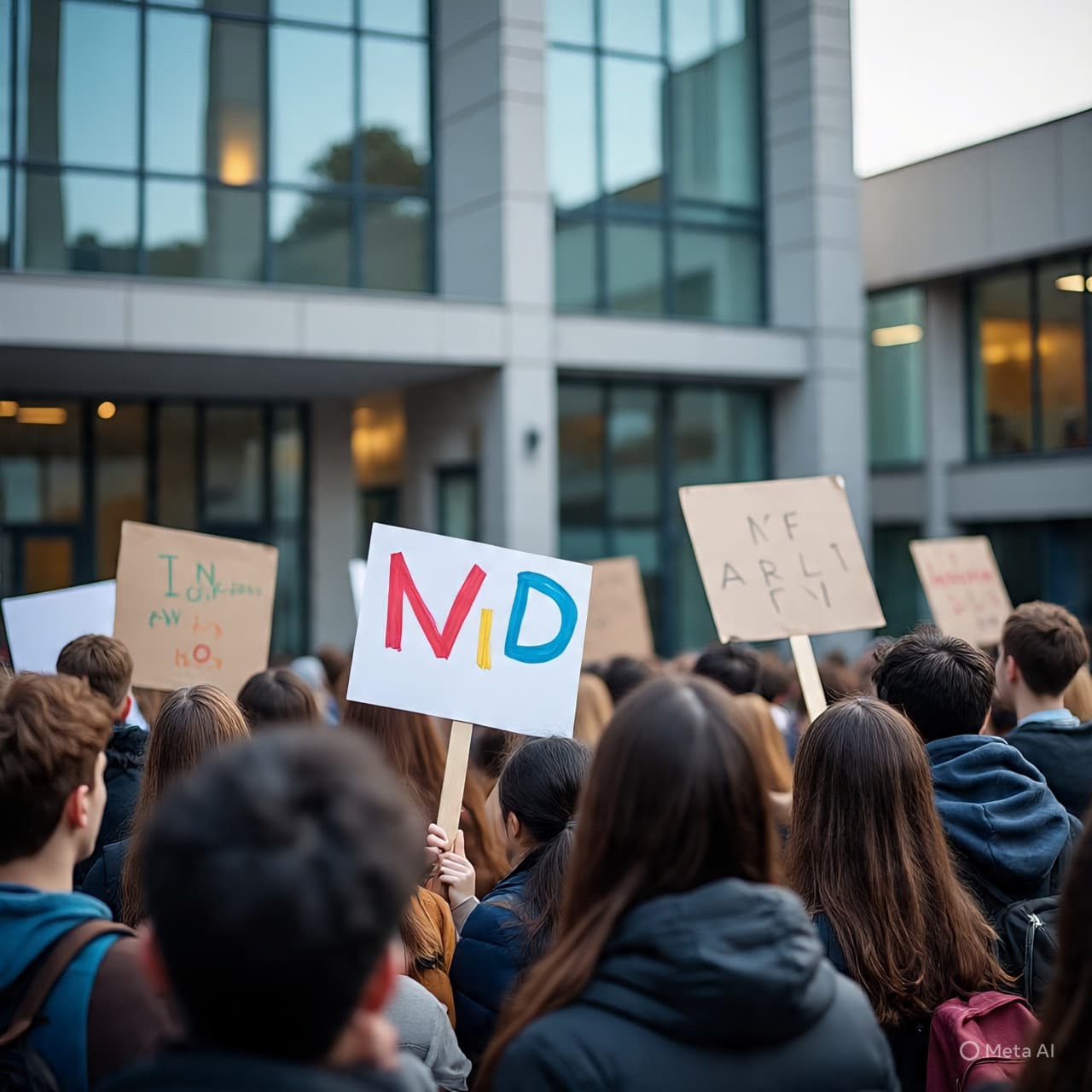
[Student Reactions] The situation has sparked strong reactions among students, leading to demonstrations on campus. Many students have gathered to express solidarity with survivors of sexual violence and to call for greater institutional responsiveness to such crises. Placards, chants, and quiet conversations among students have reflected a mixture of empathy, frustration, and concern for the wellbeing of those affected. This grassroots response illustrates the community's desire for a supportive environment amidst turmoil.
[Legal and Ethical Considerations] At the heart of the unfolding discussion lies a delicate balance between transparency and protection. Courts in Ireland previously imposed restrictions on identifying individuals connected to the case, a step intended to safeguard privacy and prevent further harm. More recently, a court order was adjusted to allow the university itself to be named publicly while maintaining the anonymity of the student involved. This legal framework aims to protect the rights of individuals while ensuring that the university can address the situation appropriately.
[Broader Implications] For many observers, the case illustrates how quickly private trauma can become entangled with public discourse in the digital age. Messages shared in closed groups, images passed between phones, and speculation spreading through social media can transform isolated incidents into collective conversations—sometimes before the facts have fully emerged. University leaders have emphasized that the wellbeing of the student remains central to their response, expressing concern for the broader community of staff and students who may be affected by the emotional weight of the situation.
[Conclusion] As investigations continue, the campus finds itself in a period of reflection. Institutions built on learning are sometimes reminded that understanding requires patience—listening carefully, protecting those who are vulnerable, and allowing truth to surface through careful processes rather than hurried conclusions. In the quiet spaces between rumor and fact, a community waits for clarity, hoping that justice, compassion, and dignity will guide the path forward.
Published by Banx Network. This article is part of the Banx decentralized media programme, powered by the BXE token on the XRP Ledger.




