Key Highlights
- Global markets show upward movement amid geopolitical tensions.
- Oil prices have eased, reflecting reduced concerns over supply disruptions.
- Anticipation of a national address influences investor behavior and market dynamics.
In the world of finance, there are moments when markets seem to breathe in unison, responding not only to numbers and indicators but also to the anticipation of words yet to be spoken. Price movements and sentiment shifts can feel like a quiet reflection of collective expectation, as if investors are listening closely to an unseen cadence that guides their decisions. When markets move ahead of a major political address, the reaction itself becomes part of the broader narrative, shaped as much by perception as by immediate data.
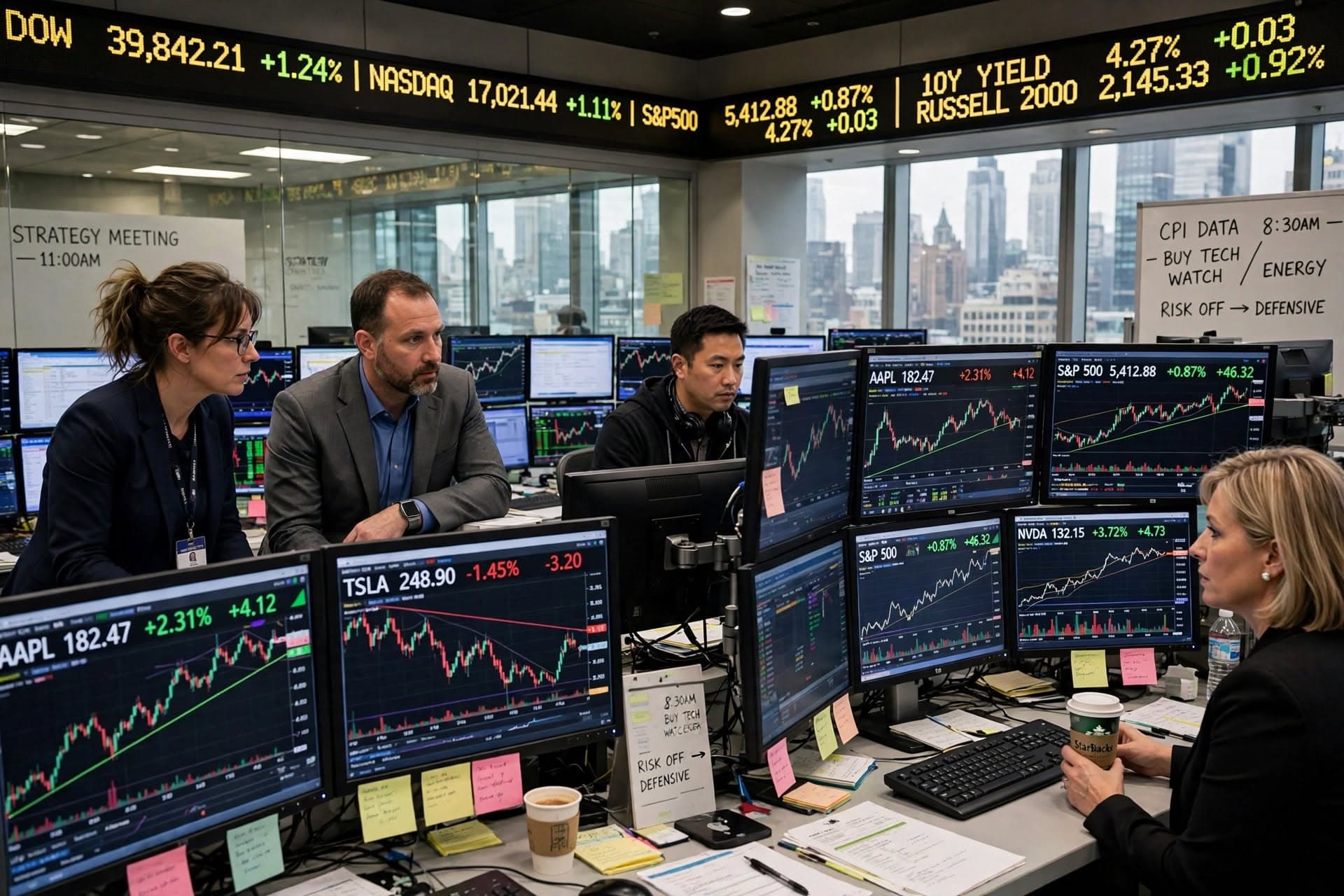
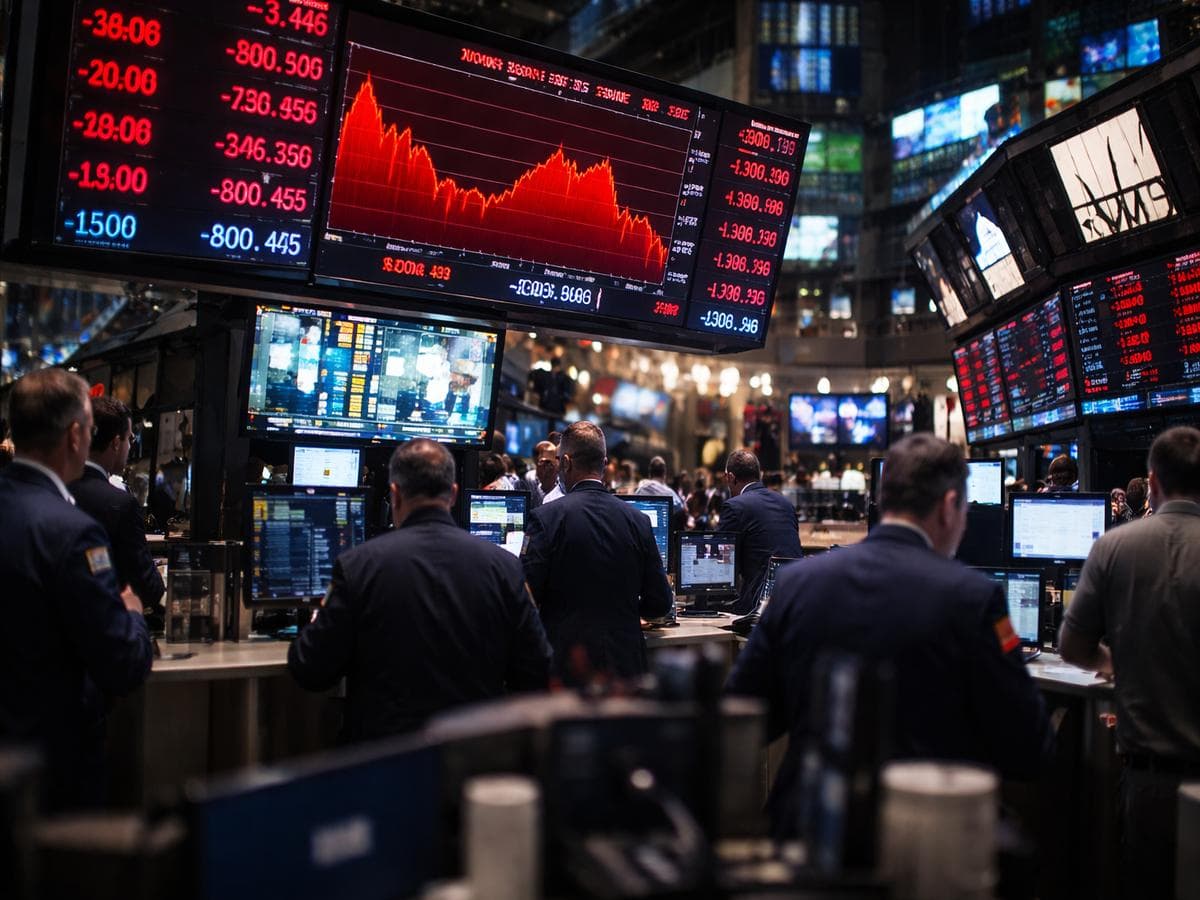
Recently, global markets have exhibited signs of upward movement, coinciding with a decrease in oil prices, as investors brace for an upcoming address regarding geopolitical tensions. This alignment between geopolitical signaling and market behavior is not uncommon; participants often adjust their positions in response to expectations about policy direction, potential conflict developments, and broader economic implications.
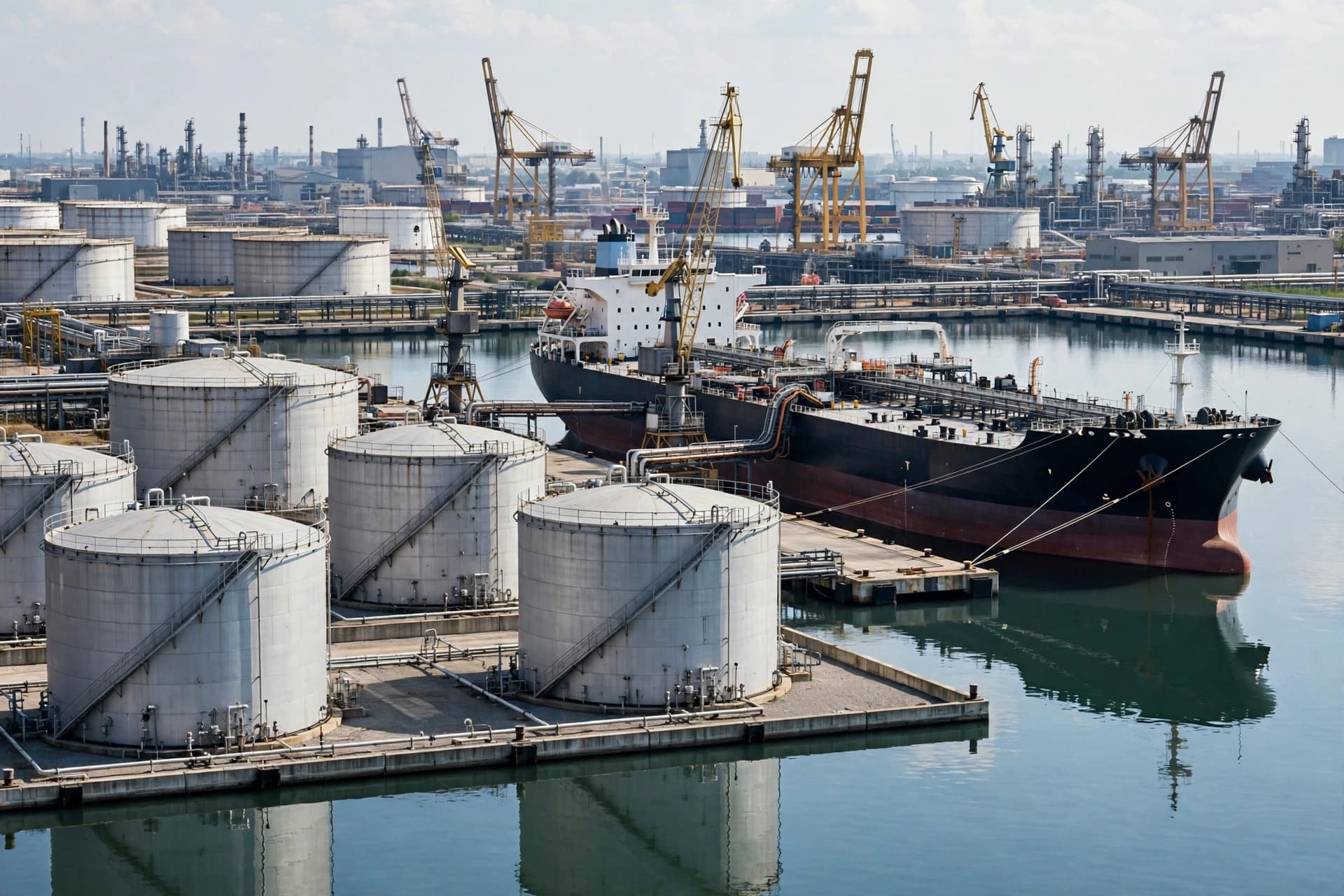
Oil markets, in particular, are closely tied to geopolitical stability. Changes in supply expectations, shipping routes, or regional tensions can significantly influence pricing, as traders assess both immediate risks and longer-term scenarios. When signals suggest the possibility of de-escalation, even if not yet confirmed, markets may respond with a degree of optimism, reflecting reduced concerns over supply disruptions. Conversely, uncertainty tends to introduce volatility, as participants weigh multiple possible outcomes.
Equity markets also respond to a combination of factors, including macroeconomic indicators, corporate performance, and geopolitical developments. In periods where tensions appear to stabilize or where clarity is anticipated, investor confidence may improve, contributing to upward movement. This response is not uniform; rather, it results from many individual decisions aggregated across global exchanges, each influenced by different risk assessments and time horizons.
The anticipation surrounding a national address adds another layer to this dynamic. Investors and analysts alike often look to such communications for indications of policy direction, tone, and potential next steps. While markets react in advance based on expectations, the actual content of the address may either reinforce or adjust those perceptions once delivered. In this sense, the period leading up to the speech becomes part of the information flow that informs trading behavior.
Energy markets, including oil, remain particularly sensitive to both actual developments and anticipated statements. Prices can fluctuate not only on confirmed events but also on signals that suggest changes in diplomatic posture or strategic intent. As a result, even the expectation of clarification can influence pricing trends, as participants position themselves ahead of potential outcomes.
Within the interconnected nature of modern systems, interactions between politics and economics highlight how information travels quickly, and reactions can occur in real time across different regions and asset classes. This interconnectedness means that a single event, or even the anticipation of one, can resonate across commodities, equities, and currency markets simultaneously.
At the time of reporting, the movement in markets reflects a combination of geopolitical anticipation and broader economic sentiment. Oil prices have eased from recent levels, while equities have shown gains, suggesting a measured response to evolving expectations. As attention turns to the upcoming address, market participants are likely to continue monitoring both the content and the implications of any statements made.
Once the address is delivered, markets will reassess based on the clarity and direction provided, integrating new information into their ongoing evaluation of risk and opportunity. For now, the current trends represent a moment of alignment between expectation and response, where financial indicators and political developments intersect in a shared space of anticipation.
Published by Banx Network. This article is part of the Banx decentralized media programme, powered by the BXE token on the XRP Ledger.