

Key Highlights
- Incident:A passenger ferry capsized off the coast of Guyana, carrying over 100 people.
- Casualties:Recovery efforts are ongoing, with a significant number of casualties reported.
- Safety Concerns:The tragedy underscores the urgent need for improved maritime safety regulations.
The rivers and coastal waters of Guyana serve as vital arteries for many communities, linking remote villages to urban centers. However, these same waters can become sites of profound tragedy when safety protocols fail. The recent sinking of a passenger ferry, which was reportedly overloaded and caught in rough waters, has resulted in a heartbreaking loss of life, with recovery efforts currently underway. This incident serves as a somber reminder of the vulnerabilities inherent in maritime transport in developing regions and the urgent need for rigorous safety standards.
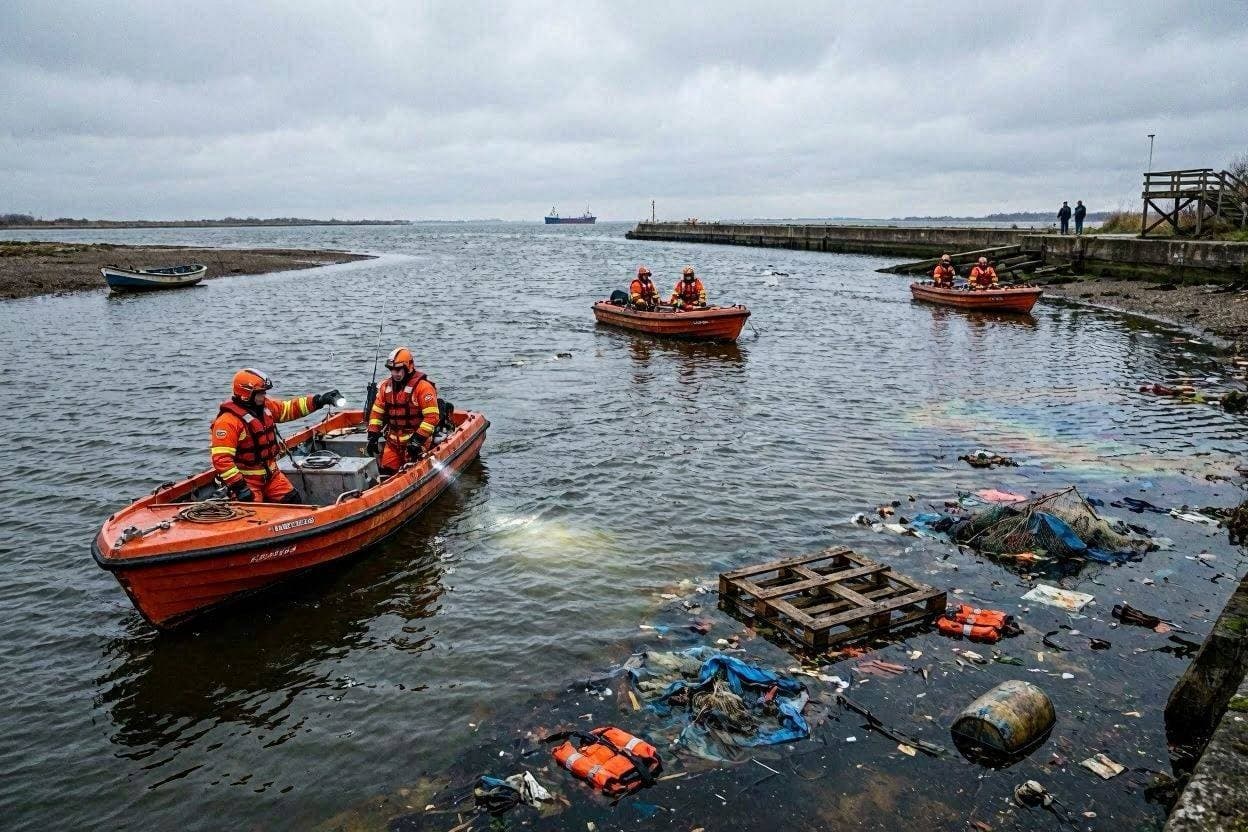
The ferry capsized in a chaotic scene, leading to desperate attempts by passengers to stay afloat. Local fishermen and nearby boats rushed to the site, pulling survivors from the water in a race against time. Despite these heroic efforts, the number of casualties remains significant, with bodies being recovered from the riverbed and surrounding areas. While the exact death toll is still being confirmed, the scale of the disaster is evident, highlighting the dire consequences of inadequate safety measures.
Investigations are focusing on several factors contributing to the tragedy, including overloading, mechanical failure, and adverse weather conditions. Overcrowding is a persistent issue in regional ferry services, where demand often exceeds capacity and enforcement of regulations is lax. The pressure to maximize profits can lead operators to ignore safety limits, putting lives at risk. This tragedy underscores the consequences of such negligence, urging authorities to take stricter action against violations.
The victims of this disaster include men, women, and children, many of whom were traveling for work or family visits. Their deaths leave behind grieving families and communities shattered by the sudden loss. In small towns, where everyone knows each other, the impact is felt deeply, creating a collective mourning that transcends individual grief. Support networks are mobilizing to provide assistance to the bereaved, offering both emotional and financial aid to help them cope with their loss.
Government officials have expressed condolences and promised a thorough inquiry into the incident. They have also announced temporary suspensions of ferry operations for safety inspections. While these measures are necessary, critics argue that systemic reforms are needed to prevent future disasters. This includes investing in better vessels, training crew members, and establishing robust monitoring systems to ensure compliance with safety regulations.
International organizations have offered support, providing expertise in search and recovery operations. The collaboration between local authorities and global partners underscores the shared responsibility in ensuring maritime safety. However, sustainable solutions require local commitment and resources, which are often scarce. The tragedy thus exposes broader issues of infrastructure and governance that must be addressed to prevent similar incidents in the future.
For the survivors, the trauma of the event will linger long after the physical wounds heal. Many report feelings of guilt and anxiety, common among those who survive catastrophic events. Psychological support is crucial to help them process their experiences and rebuild their lives. The community’s response to their needs will be a test of its resilience and compassion in the face of such adversity.
The sinking of the ferry off Guyana is a tragic event that demands more than just mourning; it requires action. As bodies are recovered and families grieve, the focus must shift to preventing such disasters in the future. Safety must be prioritized over convenience, ensuring that no one else loses their life due to negligence.
Published by Banx Network. This article is part of the Banx decentralized media programme, powered by the BXE token on the XRP Ledger.




