There is a quiet river of code that flows beneath the fingertips of billions, carrying information across continents, devices, and the subtle gestures of users across a day. At times, this river seems boundless and open; at others, its current is shaped by unseen banks. This week, in Brussels, regulators reached into that gentle flow — not with the fanfare of sharp critique, but with a reflective call for fairness and shared opportunity in the swiftly evolving world of artificial intelligence.
The European Union’s Digital Markets Act, a set of rules built to ensure competitive opportunity on platforms that shape everyday life, was invoked with a specific purpose: to invite Google to extend the same deep access to Android for external AI assistants that its own AI, Gemini, enjoys. Android, like a vast garden stretching across most of the world’s smartphones, provides the soil in which digital services take root, and some of the richest patches have been tilled by Google’s own tools. Now, under the DMA’s guiding principles, the European Commission has opened proceedings to outline how third-party developers — whether budding AI startups or established rivals — should have equal footing to innovate on that same terrain.
This idea of equal access is both simple and profound. It is not a demand for sameness, but an appeal for parity — that independent services, from search rivals to alternative AI assistants, should not face unnecessary barriers when they try to integrate with key features of Android. At the heart of the proceedings are two main threads: one focused on granting external AI providers “free and effective interoperability” with the hardware and software functions that Google’s own Gemini uses; the other aimed at ensuring that anonymized search data — ranking, query, click and view patterns — is shared on fair, reasonable, and non-discriminatory terms.
Imagine a marketplace at dawn, when traders open their stalls and customers wander in with quiet curiosity. If only a few vendors are allowed the most visible stalls and widest walkways, the variety of offerings narrows. The EU’s approach is more like a caretaker ensuring that all traders can set up with equal visibility and space, even if they offer different wares. In the world of mobile AI, that difference might be innovative interfaces, specialized domain knowledge, or unique ways of blending search and assistance.
Google has acknowledged the proceedings and expressed concerns that overly prescriptive rules might impact user privacy, security, and the pace of innovation. Still, the Commission’s goal is not to penalize but to clarify — giving Google clear guidance on how to comply with the DMA’s interoperability and data-sharing duties within the next six months.
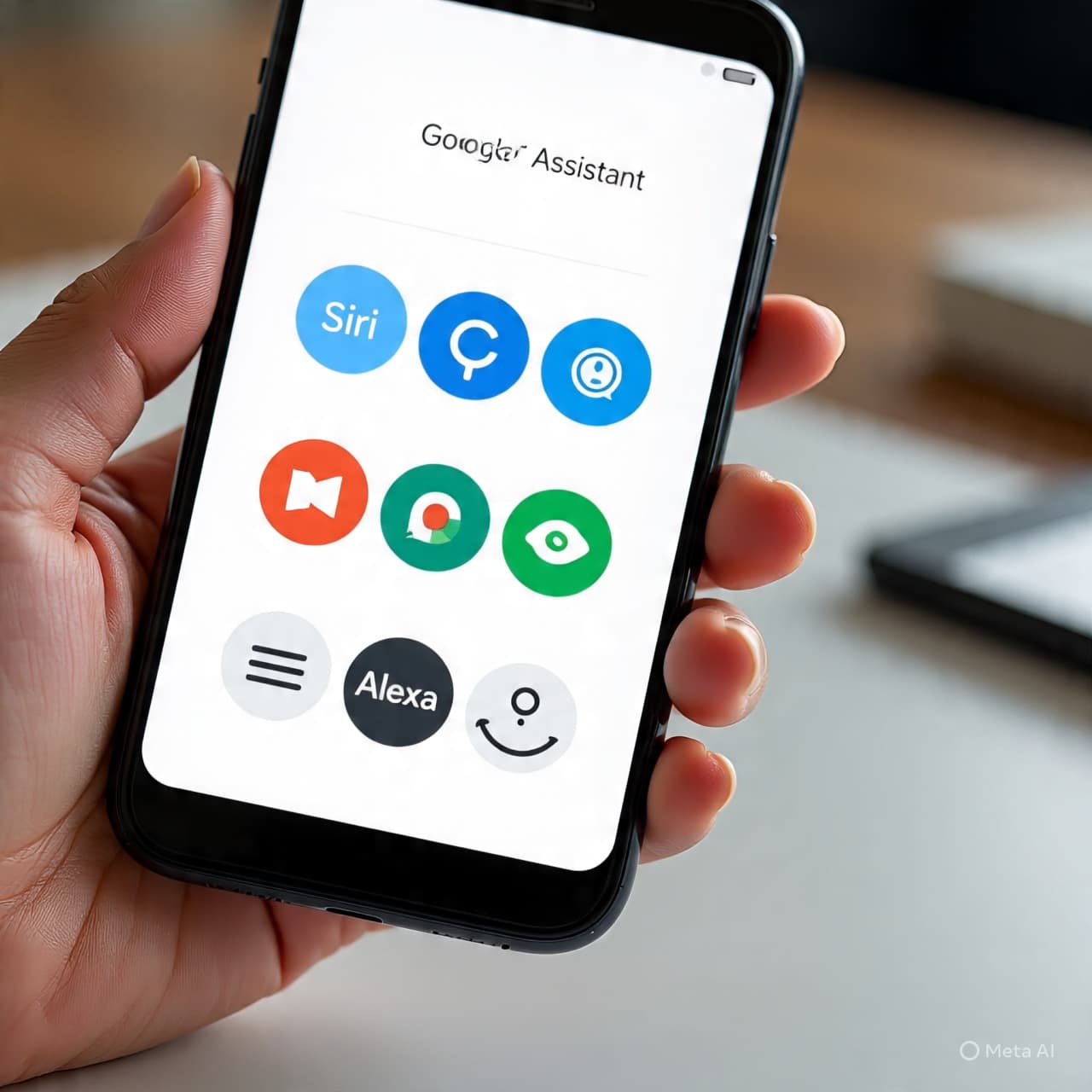
For developers building alternatives to Gemini, Copilot, or other services, the outcome of this regulatory dialogue could shape the tools they build and the experiences users enjoy. For millions of smartphone users across Europe, it could mean more genuine choice in how AI assistants help navigate information, tasks, and daily life.
In this quiet moment of regulatory reflection, the forest of mobile competition may yet grow more diverse. As the Commission continues these proceedings, all eyes will be on how one of the world’s largest platforms responds to a gentle but clear invitation for shared access and fair opportunity.
In news statements on January 27, 2026, the European Commission formally opened two specification proceedings under the Digital Markets Act to help Google comply with obligations around Android interoperability and online search data access. The move aims to ensure that third-party AI services and search engines have equal access to key features and anonymized search data that Google’s own services currently enjoy. The proceedings are expected to conclude within six months, with preliminary findings and draft measures to be communicated to Google within three months.
AI Image Disclaimer
Illustrations were produced with AI and serve as conceptual depictions.
Sources List (5 media names only):
1. Associated Press (AP) — coverage of the EU action. 2. Reuters — detailing formal EU proceedings. 3. The Brussels Times — regional news on EU DMA actions. 4. Engadget — tech site reporting on the EU’s directive. 5. Search Engine Land — context on how the DMA could reshape access.
Published by Banx Network. This article is part of the Banx decentralized media programme, powered by the BXE token on the XRP Ledger.