
Key Highlights
- Protests in Sofia:Thousands gather to demand government accountability.
- Budget concerns:Citizens view fiscal plan as a symbol of corruption.
- Broader implications:Demonstrations reflect European discontent with governance.
In recent weeks, Sofia has become a focal point for political unrest in Bulgaria, as thousands of citizens have taken to the streets to voice their discontent with the government's proposed budget. This wave of demonstrations is not merely a reaction to fiscal policies but rather a manifestation of a deeper, accumulated frustration with a political system perceived as corrupt and unresponsive to the needs of its citizens.
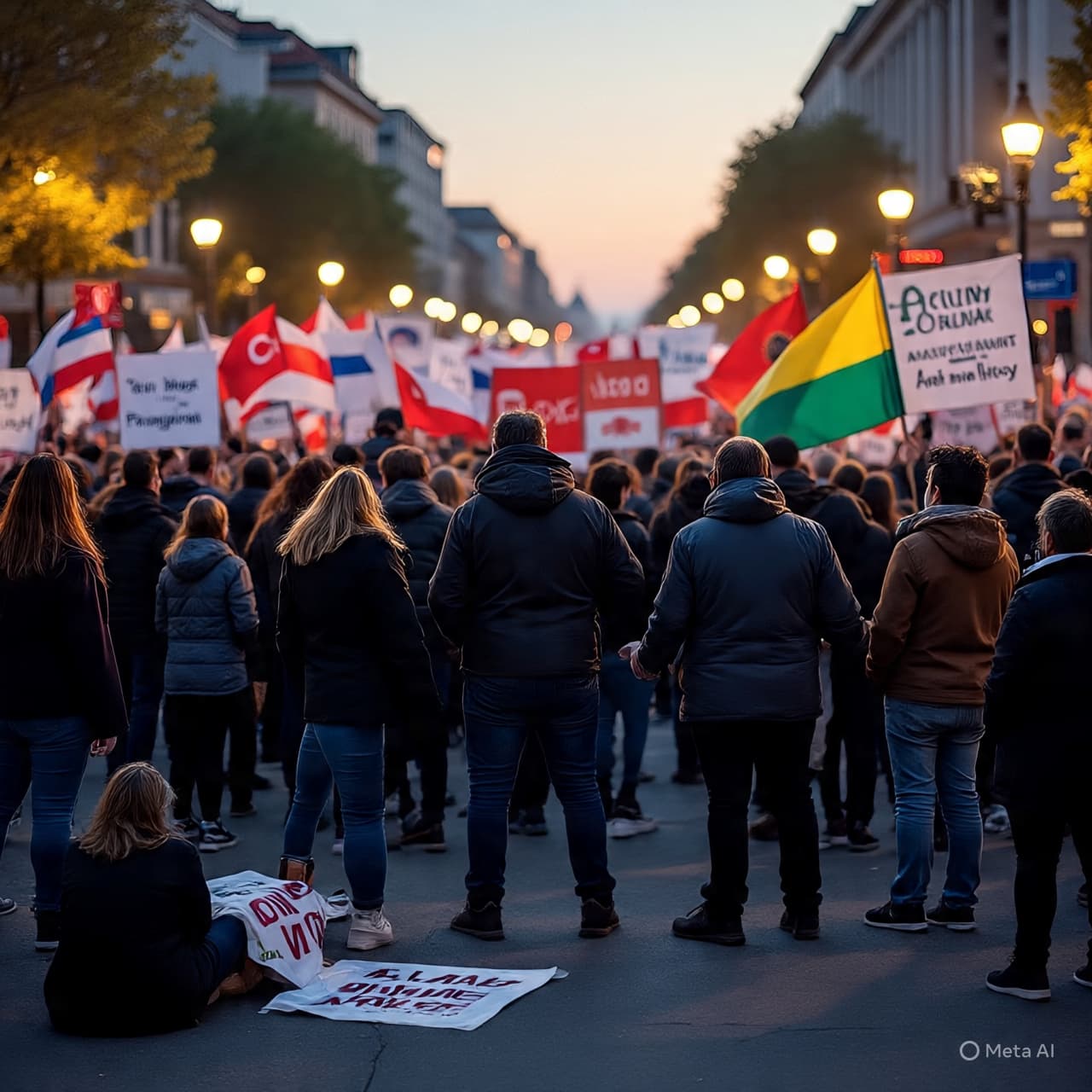
The protests began modestly, initiated by civil society groups and university students who interpreted the proposed budget as a reflection of the government's failure to earn public trust. As the days progressed, these gatherings swelled into large crowds, filling the city's plazas with chants for reform that extend beyond mere financial adjustments. The atmosphere in Sofia is charged with a sense of urgency, as demonstrators demand a government that prioritizes transparency and accountability.
International observers have noted the peaceful yet determined nature of the protests, with families marching together and raising flags in solidarity. The proposed budget includes new tax measures and spending priorities aimed at stabilizing Bulgaria's economy, yet many citizens view it as a symbol of years of institutional fatigue and mismanagement. The disconnect between the government's fiscal plans and the public's lived experiences has fueled a growing sense of frustration.
The protests underscore a persistent tension in Bulgarian politics: the disparity between official promises and the reality faced by ordinary citizens. Allegations of mismanaged funds and political patronage have plagued the government for years, leading to a pervasive sense of déjà vu among the populace. However, this time, the mood appears different — more resolute and unified, with citizens unwilling to accept superficial assurances.
Government officials have responded to the unrest by emphasizing the budget's role in protecting social services and maintaining fiscal discipline. Yet, demonstrators argue that true stability encompasses more than just balanced budgets; it requires a commitment to transparent governance that fosters public confidence. The chants echoing through Sofia's streets reflect a collective demand for change that transcends mere symbolism.
Commentators across Europe have drawn parallels between Bulgaria's protests and broader concerns regarding democratic governance on the continent. Questions about fairness, integrity, and the responsiveness of democratic institutions resonate deeply with citizens, who are increasingly vocal about their expectations for accountability. In Sofia, these questions fill the air alongside the chants that continue long into the night.
The movement lacks a singular leader or a unified set of demands, instead representing a collective insistence that the future must diverge from the past. Citizens are calling for a budget that serves as a genuine pact between government and the people, rather than a mere arithmetic exercise. Whether the authorities will respond with meaningful reforms remains uncertain, but the message from the streets is clear: the public is demanding structural change that reflects their needs and aspirations.
Published by Banx Network. This article is part of the Banx decentralized media programme, powered by the BXE token on the XRP Ledger.



