
Space exploration often evokes images of discovery and technological achievement, yet daily life in orbit also depends upon careful attention to routine safety measures. High above Earth, even a small technical concern can prompt immediate action, reflecting the precision required to maintain a permanent human presence in space.
Astronauts aboard the International Space Station recently entered a precautionary shelter procedure after new concerns emerged regarding air leaks in a Russian section of the orbital laboratory. The move was described by officials as a standard safety measure rather than an emergency evacuation.
NASA directed five astronauts to move into a docked spacecraft that serves as a potential escape vehicle if conditions aboard the station were to worsen. The crew entered a SpaceX Crew Dragon capsule while engineers assessed ongoing repair efforts.
The issue centered on the Russian Zvezda service module, an area that has experienced cracks and air leaks for several years. Space agencies have repeatedly monitored and repaired the affected section while investigating the root causes of the problem.
According to officials, the shelter order was issued out of caution while Russian specialists conducted repair operations and gathered measurements. Such procedures are designed to ensure that astronauts remain prepared for rapid evacuation if necessary.
After roughly two hours, the precautionary directive was lifted and the astronauts returned to normal station activities. Initial assessments indicated that conditions remained stable enough to continue regular operations.
The International Space Station has operated continuously with human crews since 2000. As the facility ages, maintenance challenges have become increasingly important, requiring cooperation among international partners responsible for its operation and upkeep.
Despite the temporary disruption, officials emphasized that the station remains operational and that safety systems functioned as intended. The event demonstrated how established protocols help manage risks in one of the most demanding environments humans have ever inhabited.
Engineers from NASA and Roscosmos continue to analyze the leaks and evaluate long-term repair options. For now, the crew has resumed its scientific work while monitoring efforts continue aboard the orbiting laboratory.
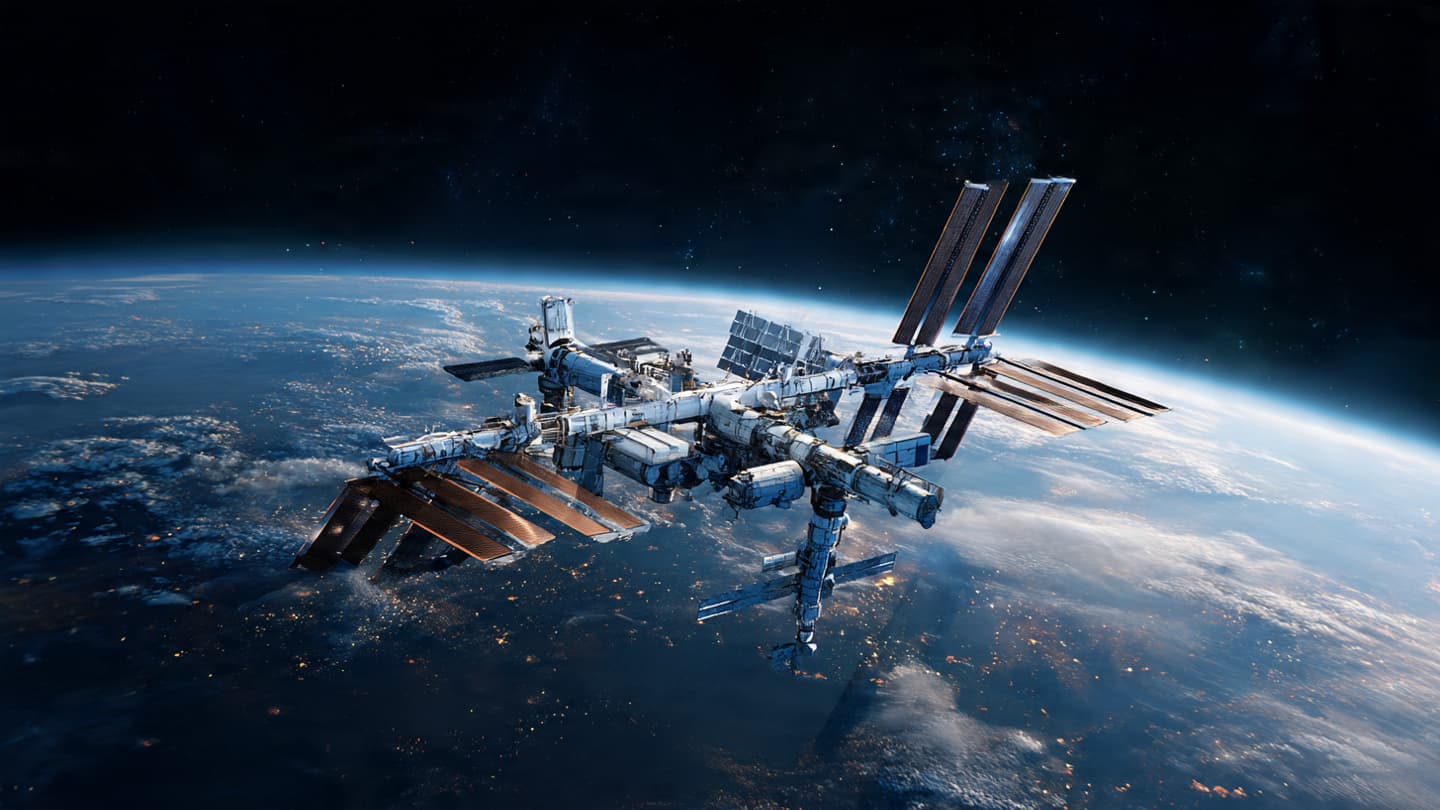
AI Image Disclaimer: The accompanying space illustrations are AI-generated artistic renderings inspired by real-world events.
Sources (verification check): Associated Press, Reuters, NASA, Roscosmos, TechCrunch, The Guardian
Published by Banx Network. This article is part of the Banx decentralized media programme, powered by the BXE token on the XRP Ledger.



