Morning in Tokyo often feels composed, as though each movement has been rehearsed in advance. Trains arrive with quiet precision, streets fill without urgency, and even the spaces between buildings seem arranged with intention. Within this ordered rhythm, the diplomatic quarter stands apart—its gates, flags, and stillness marking a boundary not just of place, but of principle.
It is within this space that a recent disturbance has unfolded, small in scale yet resonant in meaning. A member of Japan’s Self-Defense Forces has been arrested in connection with an alleged break-in at the Embassy of China in Tokyo. The details remain under investigation, emerging gradually as authorities piece together the sequence of events. Yet even in its early outline, the incident has drawn a response shaped by both caution and formality.
From Japan, expressions of regret have been conveyed to China, acknowledging the seriousness of the matter and the expectations that surround the protection of diplomatic missions. Such gestures, while measured, carry significance. They reflect an understanding that embassies are not merely physical locations, but extensions of national presence, governed by conventions that hold even in moments of strain.
The arrest itself introduces a layer of complexity. It is one thing for an incident to occur; it is another when it involves an individual connected to the structures of the state. In this, the response becomes not only about investigation, but about reassurance—both to the affected nation and to the broader framework of diplomatic norms.
China’s earlier protest, issued in response to the reported intrusion, now meets Japan’s expression of regret, the two forming a quiet exchange across official channels. The language on both sides remains controlled, shaped to address concern without allowing it to expand into something more disruptive. It is a familiar rhythm in international relations, where even moments of tension are guided back toward equilibrium through careful wording and procedural clarity.
Beyond the formal statements, the city continues its steady motion. Pedestrians pass without pause, offices open, and the flow of daily life absorbs the event into its larger pattern. Yet within the diplomatic community, attention lingers—on the investigation, on the implications, and on the reaffirmation of security that such moments inevitably prompt.
In time, more details are expected to surface, clarifying the circumstances that led to the alleged break-in. For now, the contours remain defined by what is known: a soldier has been detained, an embassy was reportedly entered without authorization, and a government has expressed regret for the incident.
As the day moves forward, the response settles into place. Japan has conveyed its regrets to China following the arrest of a soldier over the alleged break-in at the Chinese embassy in Tokyo, while investigations continue to determine the full scope of the घटना. Between action and apology, the situation remains contained, its significance carried less by scale than by the principles it touches.
In a city where order is often assumed, even a brief disruption can echo quietly—reminding those who watch that diplomacy, like the streets around it, depends as much on maintenance as on design.
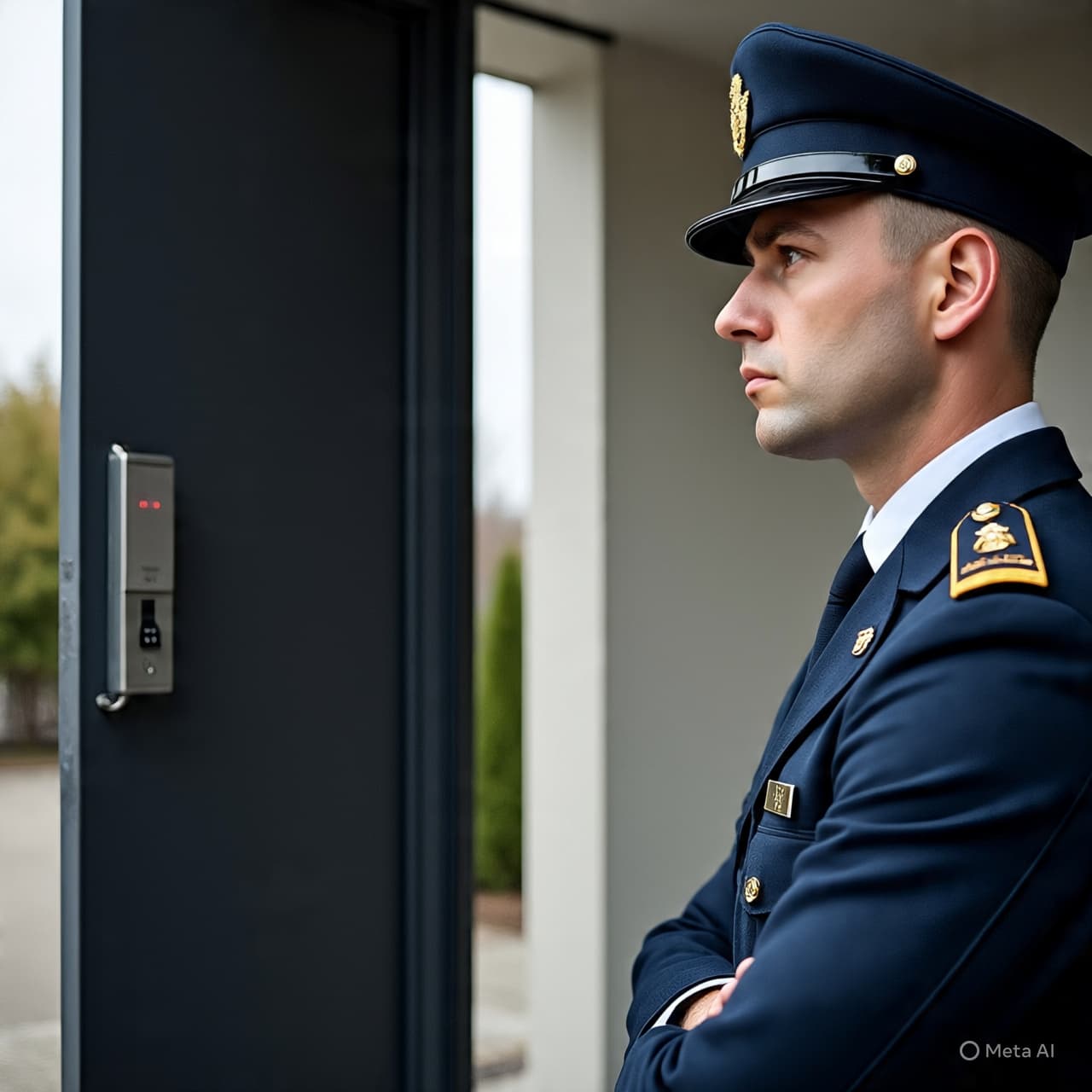
AI Image Disclaimer Illustrations were created using AI tools and are not real photographs.
Sources Reuters BBC News Associated Press The Japan Times Al Jazeera
Published by Banx Network. This article is part of the Banx decentralized media programme, powered by the BXE token on the XRP Ledger.