

Key Highlights
- Polar Blast:A sudden influx of Antarctic air has brought unseasonably cold weather to southeastern Australia.
- Snowfall:Significant snow accumulation reported across Victoria, Tasmania, New South Wales, and South Australia.
- Weather Impact:Residents faced hazardous conditions, with emergency services issuing warnings for travel and power outages.
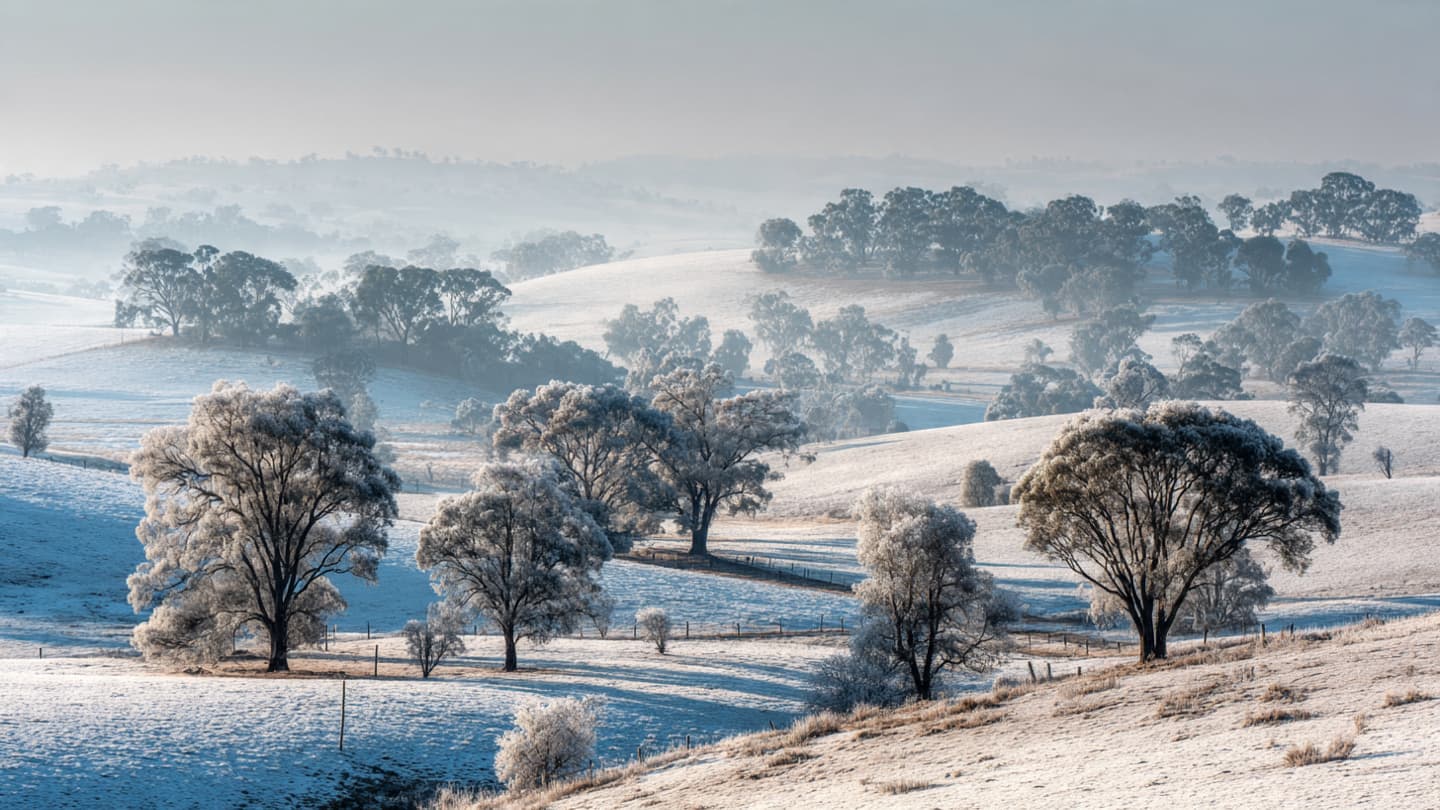
The arrival of winter in southeastern Australia has been marked by an unexpected polar blast, sweeping in from Antarctica and transforming the landscape into a winter wonderland. This week, temperatures plummeted as cold winds surged northward, bringing snow to mountains, towns, and even roadside fields. The Bureau of Meteorology confirmed that this unusual weather pattern was driven by a strong Antarctic air mass, resulting in significant snowfall across several states.
Reports indicate that areas in Victoria, Tasmania, New South Wales, and South Australia experienced varying degrees of snowfall. Alpine regions saw substantial snow accumulation, while lower elevations recorded brief flurries and icy conditions. Residents in elevated rural communities woke to frozen roads and frosted rooftops, with temperatures dipping several degrees below seasonal averages. Motorists in parts of Victoria and New South Wales were advised to carry chains and avoid unnecessary travel due to hazardous driving conditions in alpine areas.
The polar blast's impact was felt widely, with emergency services issuing warnings about dangerous surf conditions, fallen trees, and strong winds accompanying the cold front. Power outages were reported in isolated regions as gusts damaged infrastructure, intensifying the winter conditions across exposed communities. The sudden shift in weather has not only disrupted daily life but also sparked fascination among many Australians.
Social media platforms were flooded with images of snow-covered paddocks and icy trees, as families gathered outdoors to witness the rare snowfall. For many, this weather event provided a brief escape from the routine, creating a sense of wonder in regions that seldom experience such conditions. The emotional effect of the snowfall was palpable, particularly in farming towns and mountain regions where the arrival of snow altered the pace of daily life.
Meteorologists explained that the combination of cold air, moisture, and strong winds created favorable conditions for widespread snowfall in higher terrain. While cold events are part of Australia’s seasonal variability, scientists continue to emphasize the influence of climate change on long-term temperature trends and extreme weather behavior globally. This year's weather patterns have already been marked by significant shifts, raising questions about the future of Australia's climate.
Looking ahead, the Bureau of Meteorology anticipates a gradual recovery in temperatures over the coming days, although icy morning conditions are likely to persist across several southeastern regions. As the weather stabilizes, communities will begin to return to their normal routines, but the memory of this unseasonable winter blast will linger in the minds of many.
Published by Banx Network. This article is part of the Banx decentralized media programme, powered by the BXE token on the XRP Ledger.




