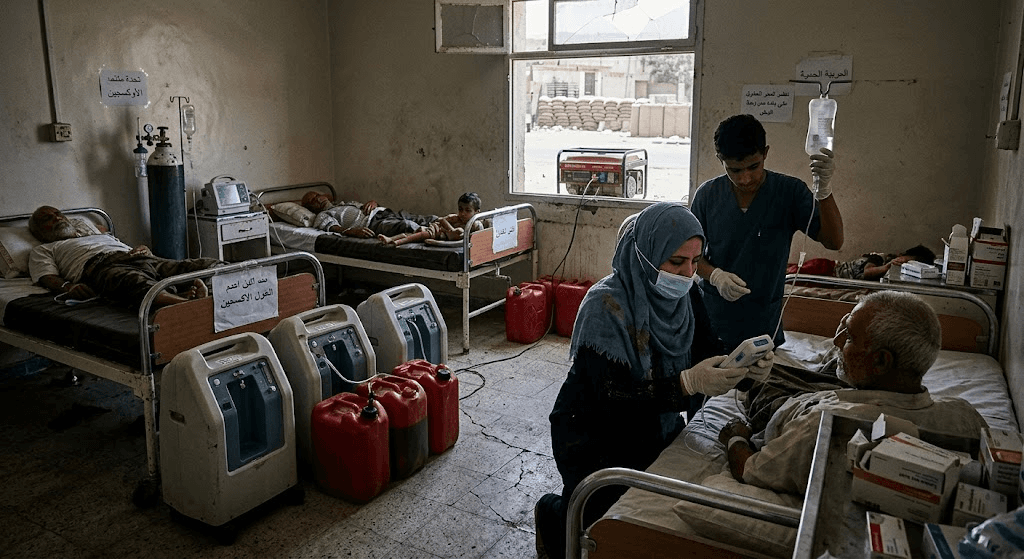
A child’s immune system often arrives quietly, like a blank sheet of paper placed on a desk that has yet to be written upon. It is clean, unmarked, and full of possibility, but also easily affected by every touch, every breath, every new environment it encounters. In early childhood, illness can feel relentless to parents, as if colds, fevers, and coughs come one after another with little pause in between. Yet in this fragile beginning, experts suggest there is not weakness, but learning in progress.
Medical specialists explain that young children are born with an immune system that is still in its earliest chapters. Unlike adults, whose bodies have memorized years of encounters with viruses and bacteria, children are only beginning to recognize the world of microbes around them. Each mild infection becomes a lesson, quietly teaching immune cells how to respond more efficiently the next time. Frequent illness, especially in the first five years, is often a sign of exposure rather than failure.
Environmental factors also play a gentle but persistent role. Daycare classrooms, playgrounds, and shared toys create spaces where germs move easily from hand to hand. A child’s curiosity, expressed through touch and exploration, naturally increases exposure. Nutrition, sleep patterns, and emotional comfort further influence how well the immune system adapts. When meals lack balance, rest is inconsistent, or stress lingers unnoticed, the body’s defenses may respond more slowly.
Experts emphasize that strengthening a child’s immunity is less about quick solutions and more about steady habits. Nutritious foods, including fruits, vegetables, proteins, and whole grains, provide the building blocks immune cells rely on. Regular sleep allows the body to repair and regulate itself. Simple routines like handwashing, outdoor play, and timely vaccinations quietly support long-term resilience without drawing much attention to themselves.
In time, as the pages fill, the immune system becomes more confident. Illnesses grow less frequent, recovery becomes faster, and the blank paper begins to carry a story of adaptation. Doctors note that patience is often the most overlooked ingredient in this process. While no child can be shielded from every germ, a supported immune system gradually learns how to stand on its own.
As health professionals continue to remind parents, frequent sickness in young children is usually a phase rather than a permanent condition. With consistent care, balanced nutrition, proper rest, and preventive health measures, most children naturally develop stronger immunity as they grow. What begins as a blank page slowly becomes a record of resilience, written line by line over time
AI Image Disclaimer (Rotated Wording) Illustrations were produced with AI and serve as conceptual depictions rather than real-life photographs.
Source Check
World Health Organization American Academy of Pediatrics Centers for Disease Control and Prevention Mayo Clinic National Health Service
Published by Banx Network. This article is part of the Banx decentralized media programme, powered by the BXE token on the XRP Ledger.