Mark Cuban has made a career out of blunt truths and bold bets. But his latest statement — that public medical schools in the U.S. should be free — cuts deeper than business. It’s a provocation aimed at one of America’s most expensive and inequitable gateways: medical education.
Speaking in his trademark directness, the billionaire entrepreneur and owner of the Dallas Mavericks argued that the crushing cost of medical school is one of the root causes of America’s healthcare crisis. “We make it too expensive to become a doctor,” he said. “Then we wonder why care is unaffordable.”
Cuban’s point is simple, but radical in its implications. By removing tuition barriers at public medical institutions, the U.S. could, in theory, expand the pool of physicians, especially in underserved areas where medical debt deters graduates from practicing. The proposal touches on a broader question — who gets to heal America when education itself becomes a luxury?
The logic echoes Cuban’s own venture in affordable medicine: Cost Plus Drugs, a company designed to cut out pharmaceutical middlemen and sell prescriptions at near-wholesale prices. His philosophy has always been pragmatic — not anti-capitalist, but pro-efficiency. In calling for free medical schools, he isn’t rejecting markets; he’s asking them to function with more moral intelligence.
Critics will argue that such a policy could burden taxpayers or diminish institutional prestige. Yet, as the U.S. faces an aging population and growing doctor shortages, the economic argument for free education gains practical traction. The idea is less about generosity and more about sustainability — an investment in human infrastructure.
In a nation that spends over $4 trillion annually on healthcare, Cuban’s challenge feels less utopian and more overdue. The question he raises is not whether we can afford free public medical schools — but whether we can afford not to have them.
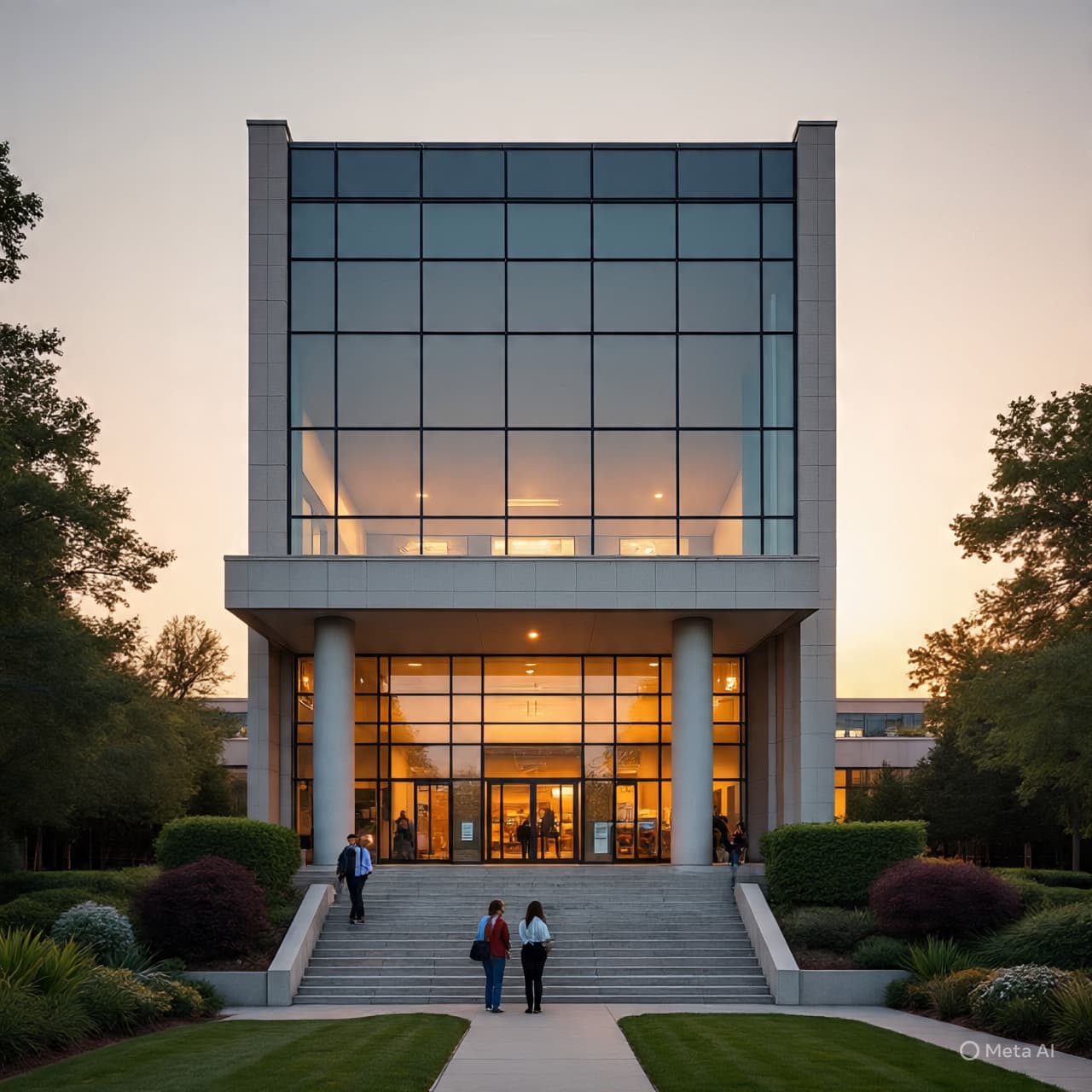
AI Image Disclaimer: This image is an AI-generated illustration created for editorial visualization purposes only.
Sources: This article is based on reporting from CNBC, Forbes, Business Insider, and The Washington Post.
Published by Banx Network. This article is part of the Banx decentralized media programme, powered by the BXE token on the XRP Ledger.