In the intricate web of global security, access to critical materials has become as vital as oil or gold. Recognizing this strategic imperative, the United States Department of Defense has announced a substantial investment of 560 million in the Syerston critical minerals project in New South Wales, Australia. This move underscores the deepening economic and security ties between the two nations, highlighting the importance of supply chain resilience. It is a decision that reflects a broader shift toward securing resources essential for modern technology and defense, ensuring that democratic allies remain independent of adversarial influence.
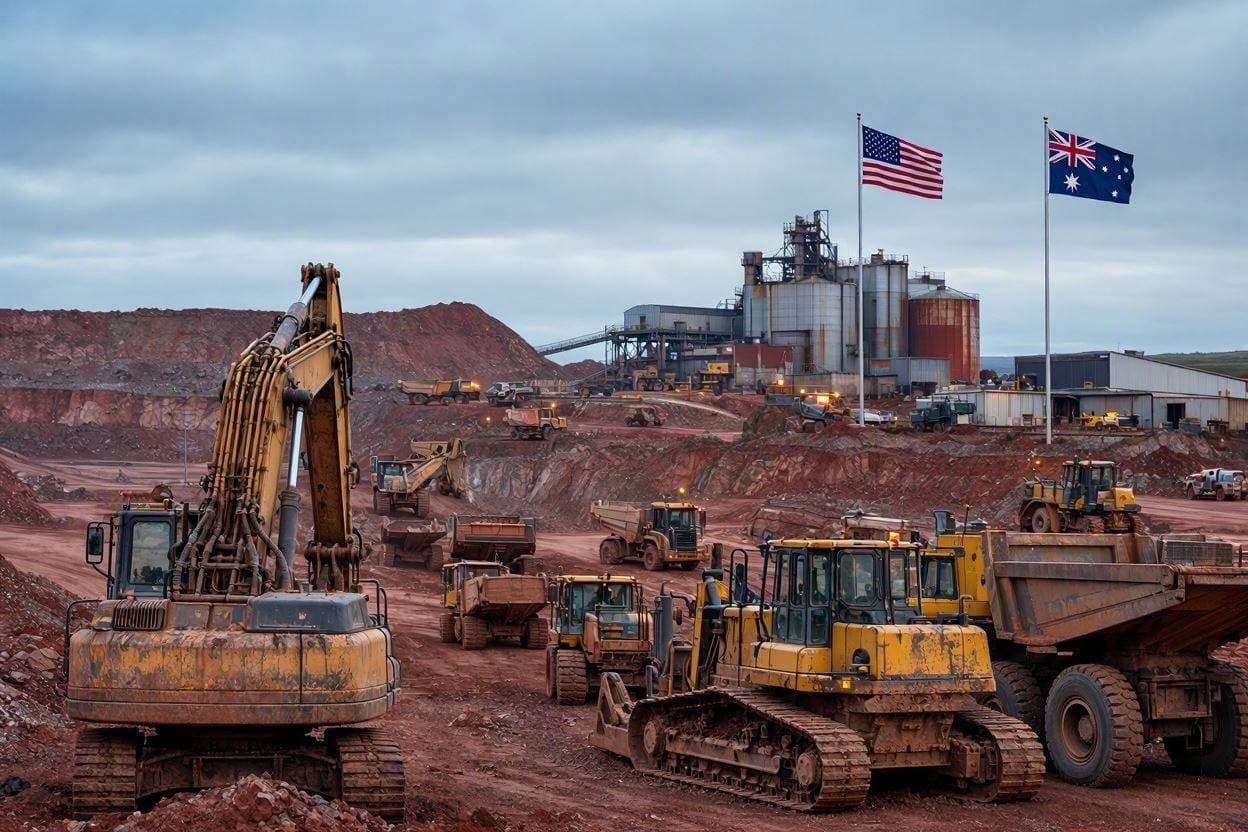
The Syerston project, located in central New South Wales, is rich in rare earth elements and other critical minerals needed for electric vehicles, renewable energy technologies, and advanced military hardware. For decades, the global supply of these materials has been dominated by a single nation, creating vulnerabilities for Western economies. By investing directly in Australian extraction and processing capabilities, the Pentagon aims to diversify sources and strengthen the industrial base of its allies. This partnership is not just about commerce; it is about strategic autonomy.
For Australia, the investment represents a significant boost to its mining sector and regional economy. It promises jobs, infrastructure development, and technological advancement in mineral processing. The project aligns with national goals to become a global leader in critical minerals, leveraging the country’s abundant natural resources. Local communities stand to benefit from increased economic activity, though environmental safeguards remain a key consideration.
The collaboration also highlights the evolving nature of alliances. Traditional security partnerships are now deeply intertwined with economic and technological cooperation. The US and Australia are working together to build a resilient supply chain that can withstand geopolitical shocks. This integration ensures that both nations are better prepared for future challenges, from cyber threats to resource scarcity.
Environmental groups have raised questions about the ecological impact of expanded mining operations. Proponents argue that modern extraction methods can minimize harm, and that the transition to green energy requires these very materials. Balancing economic gain with environmental stewardship is a complex task, requiring rigorous regulation and community engagement. The success of the Syerston project will depend on its ability to meet these dual demands.
As the investment moves forward, it sets a precedent for future international collaborations in the resources sector. Other nations may look to similar models to secure their own supply chains. The Syerston project is thus more than a local initiative; it is a piece of a larger global puzzle, shaping the future of industry and security.
The Pentagon’s 560 million investment in the Syerston project marks a significant step in strengthening US-Australia economic and security ties. As critical minerals become increasingly vital, this partnership offers a model for resilient and cooperative resource management. The hope is for a sustainable and prosperous outcome for all involved.
AI Image Disclaimer: Visuals associated with this article are AI-generated to illustrate the themes of economic investment and strategic resources.
Sources: Australian Financial Review Reuters Department of Defense USA
Published by Banx Network. This article is part of the Banx decentralized media programme, powered by the BXE token on the XRP Ledger.