In the dense forests of Northeastern Ontario, where hunting is both a tradition and a regulated activity, the lines between legal rights and personal interpretation can sometimes blur. A recent case in Mattawa highlights this tension, involving a man who attempted to use a First Nations membership card to justify harvesting a moose without a valid provincial licence. The incident, which resulted in a significant fine and hunting suspension, serves as a cautionary tale about the complexities of Indigenous rights, wildlife conservation, and the rule of law. It invites reflection on how different legal frameworks intersect in the modern world.
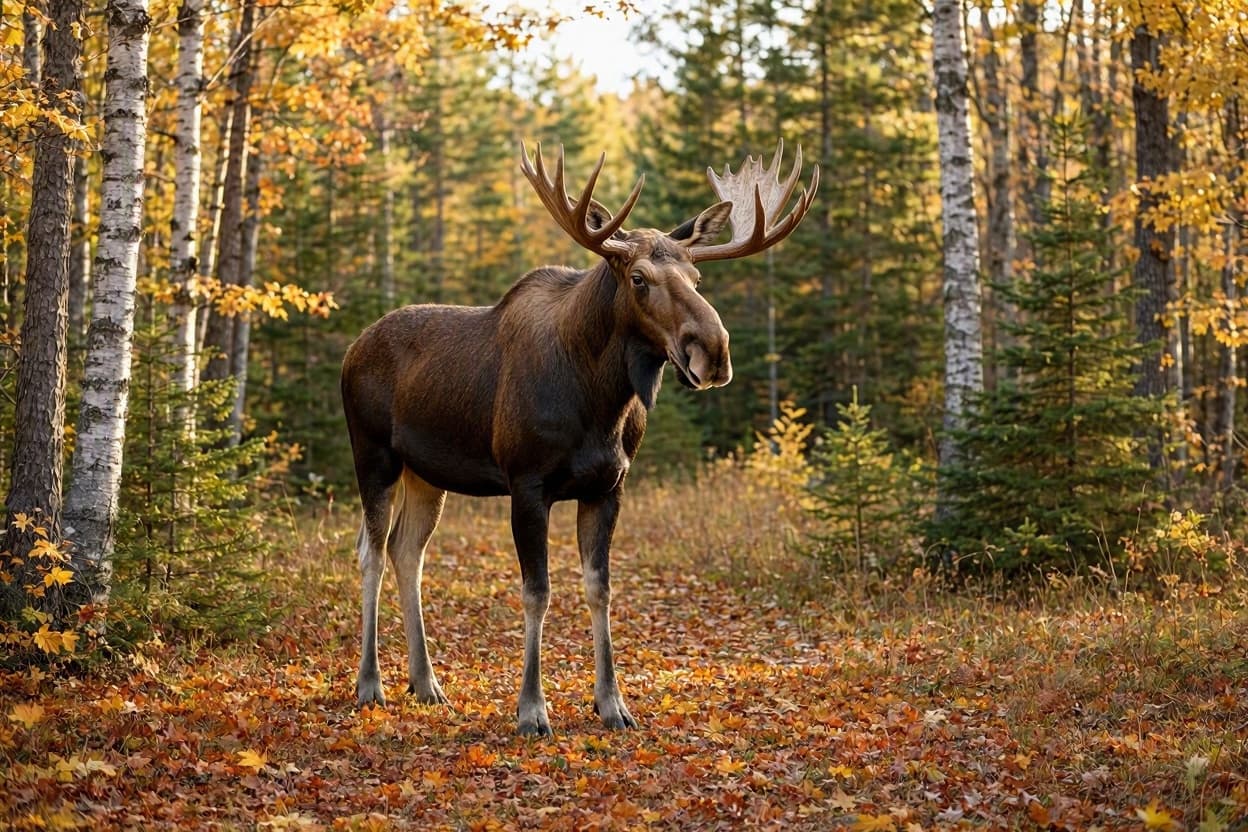
The individual, identified as Marc Jodouin, was charged after conservation officers discovered he had harvested a bull moose without the required provincial tag. During the investigation, he presented a First Nations membership card, arguing that it granted him the right to hunt for food without a licence. However, authorities clarified that while Indigenous peoples have treaty and Aboriginal rights to hunt, these rights are subject to specific criteria, including proof of status and adherence to conservation laws. A general membership card does not automatically confer unrestricted hunting privileges.
The court proceedings revealed that Jodouin did not meet the necessary legal requirements to exercise Indigenous hunting rights in this instance. He pleaded guilty to hunting big game without a licence, accepting a 5,000 fine and a one-year suspension of his hunting privileges. This outcome underscores the importance of understanding the specific legal protections available to Indigenous hunters, which are distinct from general membership in an organization. It highlights the need for clear communication and education regarding these rights.
Conservation officers emphasized that the enforcement of hunting laws is essential for maintaining sustainable wildlife populations. Moose management in Ontario relies on accurate data and regulated harvests to ensure the health of the species. Unlicensed hunting undermines these efforts, potentially leading to overharvesting and ecological imbalance. By holding individuals accountable, authorities aim to protect both the resource and the integrity of legitimate Indigenous hunting rights.
The case has sparked discussions within local communities about the distinction between status Indians and non-status individuals who may identify with Indigenous heritage. While many people have ancestral connections, legal hunting rights are typically reserved for those recognized under the Indian Act or specific treaties. This distinction can be confusing, leading to misunderstandings and inadvertent violations. Education programs are crucial for clarifying these nuances and preventing future infractions.
For the Indigenous community, such cases can be sensitive, as they touch on issues of identity and sovereignty. Leaders often stress the importance of respecting both traditional practices and modern conservation laws. They advocate for collaborative management approaches that honor Indigenous knowledge while ensuring sustainability. This balance is key to fostering mutual respect and effective stewardship of natural resources.
The penalty imposed on Jodouin serves as a deterrent to others who might misinterpret their rights. It reinforces the message that hunting regulations apply to everyone, regardless of background, unless specific legal exemptions are proven. Conservation officers continue to monitor hunting activities closely, ensuring compliance and addressing violations promptly. Their work is vital for preserving Ontario’s rich wildlife heritage for future generations.
The conviction of the Mattawa man highlights the importance of adhering to established hunting laws and understanding the specific nature of Indigenous rights. While the desire to connect with tradition is understandable, it must be balanced with legal responsibilities and conservation needs. This case serves as a reminder that clarity and compliance are essential for harmonious coexistence and sustainable resource management.
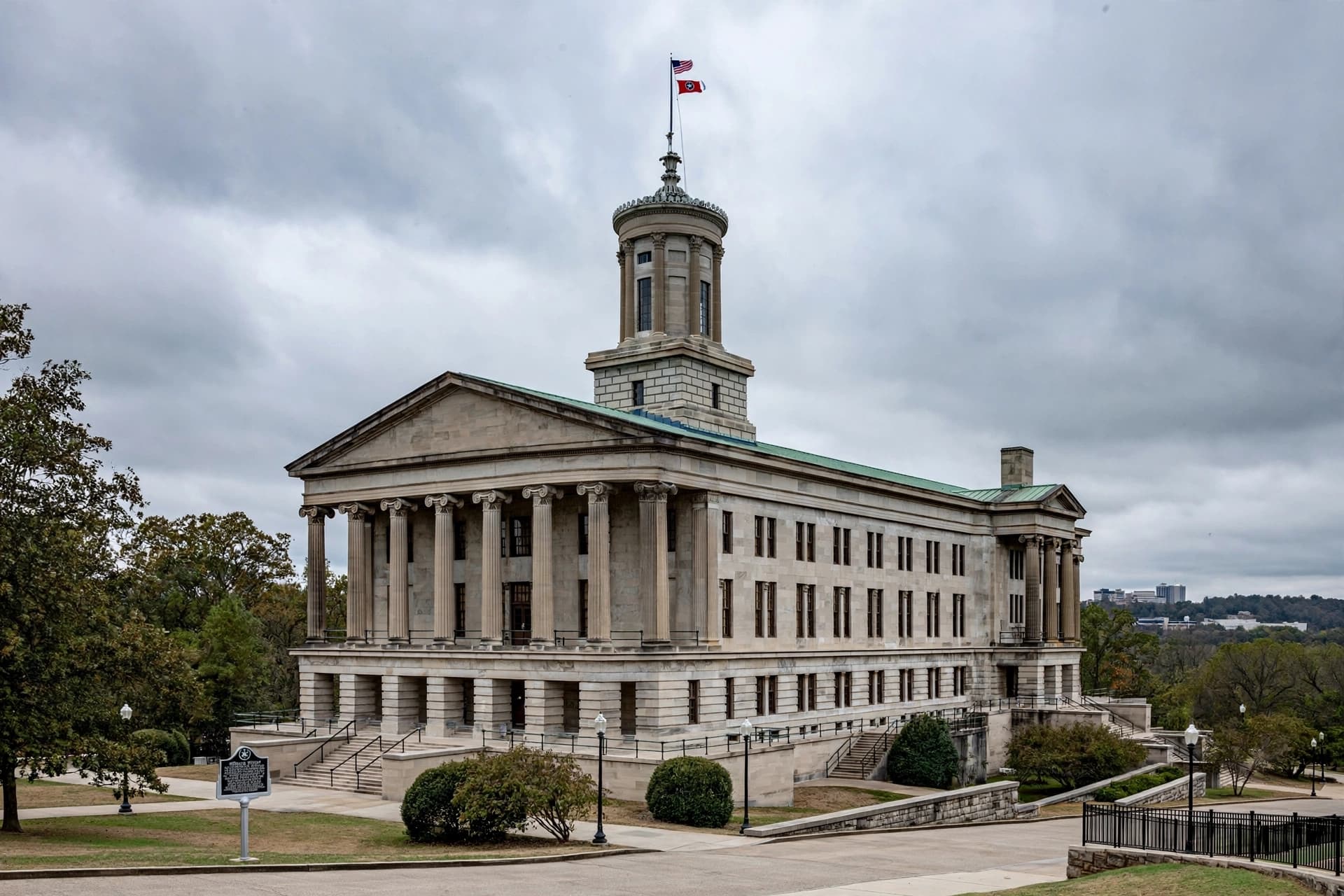
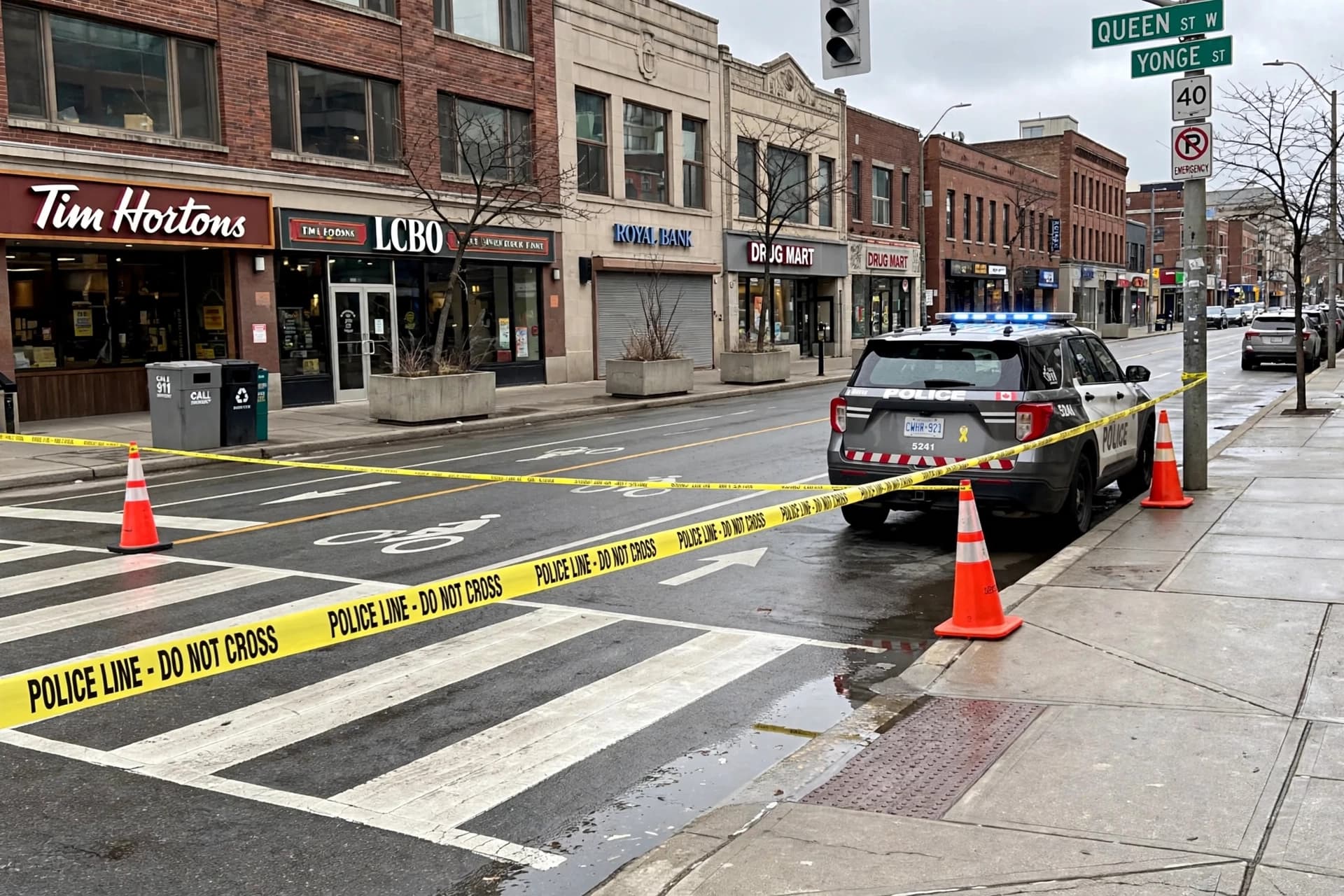
AI Image Disclaimer: Visuals accompanying this article are AI-generated illustrations designed to complement the narrative and do not depict real-time events.
Sources: Ontario Newsroom CTV News Northern Ontario Nugget.ca Facebook Fish and Wildlife Ontario Local Mattawa News Outlets
Published by Banx Network. This article is part of the Banx decentralized media programme, powered by the BXE token on the XRP Ledger.