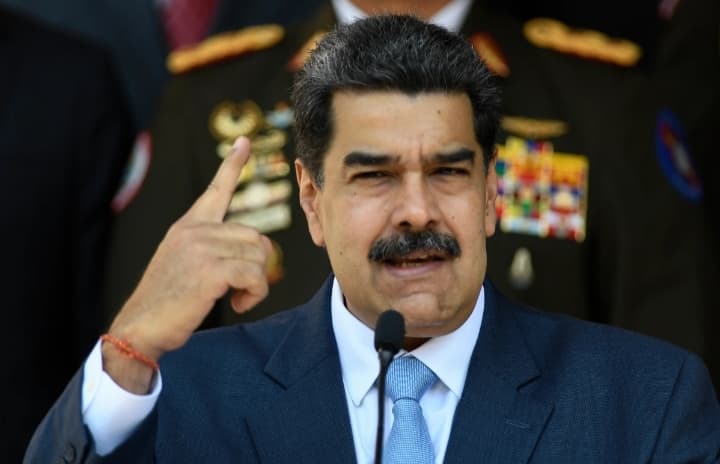
The recent capture of Nicolás Maduro, the controversial president of Venezuela, has sparked a wave of attention towards prediction markets, where individuals can place wagers on the outcomes of future events. The allure of a $400,000 payout for those who predicted this event has further amplified interest, as it underscores the validity and potential profitability of these markets. Understanding Prediction Markets
Prediction markets, also known as market-based forecasting, allow participants to buy and sell shares in the outcomes of future events. The price of these shares reflects the collective belief of participants in the likelihood of a particular event occurring. With the Maduro incident, the surge in betting activity illustrates the market’s capability to forecast significant political changes accurately. The Maduro Effect: Implications and Consequences
The financial incentive tied to Maduro’s capture has encouraged a broader audience to engage with prediction markets, many of whom may previously have viewed them with skepticism. Analysts note that this shift could lead to increased liquidity and more refined predictions for future political events around the world. As investors and even casual bettors try their hand at forecasting political landscapes, the implications for policymaking and election outcomes could be profound. Growing Acceptance and Future Prospects
As more individuals recognize the potential of prediction markets to provide real-time insights into political happenings, their acceptance is likely to grow. This could pave the way for new regulations and frameworks that govern these markets, ensuring they operate fairly and transparently. Moreover, individuals from various sectors, including finance, academia, and journalism, may increasingly leverage these markets to inform their analyses and decisions.
Published by Banx Network. This article is part of the Banx decentralized media programme, powered by the BXE token on the XRP Ledger.