In the vast archive of space exploration, some discoveries lie dormant for decades, waiting for the right lens through which to be seen. For nearly half a century, the clouds of Venus were thought to be composed primarily of concentrated sulfuric acid, a harsh and corrosive environment that seemed to preclude any possibility of complexity. However, a fresh analysis of data from NASA’s Pioneer Venus Large Probe, collected in 1978, has unveiled a surprising twist. The findings suggest that these clouds may contain significantly more water than previously believed, locked within hydrated salts of iron and magnesium. This reinterpretation invites us to look again at our neighboring planet with renewed curiosity.
The Pioneer Venus mission was a landmark achievement, providing the first detailed in-situ measurements of the Venusian atmosphere. At the time, the instruments detected signals that were interpreted as pure sulfuric acid droplets. But science is an iterative process, and advancements in analytical techniques allow researchers to revisit old data with new questions. The 2025 study applied modern modeling to the original spectral data, revealing patterns that had been overlooked or misattributed in the initial analysis.
The implication of bound water within the cloud aerosols is profound. Water is a key ingredient for life as we know it, and its presence, even in a chemically bound form, changes our understanding of Venus’s atmospheric chemistry. The water is not free-flowing liquid but is trapped within the crystal structures of salts, forming a stable component of the cloud particles. This discovery suggests a more complex hydrological cycle than previously imagined, one that involves mineral interactions at high altitudes.
Iron and magnesium salts are common in planetary crusts, and their presence in the upper atmosphere hints at vertical transport mechanisms, such as volcanic activity or wind-driven uplift, carrying material from the surface to the clouds. This connection between the surface and the atmosphere adds a dynamic layer to our model of Venus, portraying it not as a static hothouse but as a geologically active world with intricate internal processes.
For astrobiologists, this finding reignites interest in Venus as a potential habitat for microbial life. While the surface remains inhospitable, the cloud layers, with their moderate temperatures and now-recognized water content, offer a niche that could theoretically support extremophiles. Previous debates about phosphine gas detections in the Venusian atmosphere gain new context when viewed alongside the possibility of hydrated mineral environments that could support biochemical reactions.
The scientific community is approaching these results with cautious excitement. Peer review and independent verification are essential to confirm the reinterpretation. Future missions, such as those planned by NASA and ESA, will carry instruments designed specifically to analyze cloud composition with greater precision. These upcoming endeavors will test the hypotheses generated by the Pioneer data, potentially revolutionizing our understanding of terrestrial planets.
This accidental discovery serves as a reminder of the value of preserving and re-examining historical data. In an era of rapid technological advancement, the past still holds secrets waiting to be unlocked. It encourages a spirit of humility and openness, acknowledging that our current understanding is always subject to refinement. Venus, long overshadowed by Mars in the search for life, may yet have much to teach us.
A reinterpretation of 1978 Pioneer Venus data suggests the planet’s clouds contain significant bound water within hydrated salts, challenging long-held assumptions and renewing interest in Venus’s atmospheric potential.
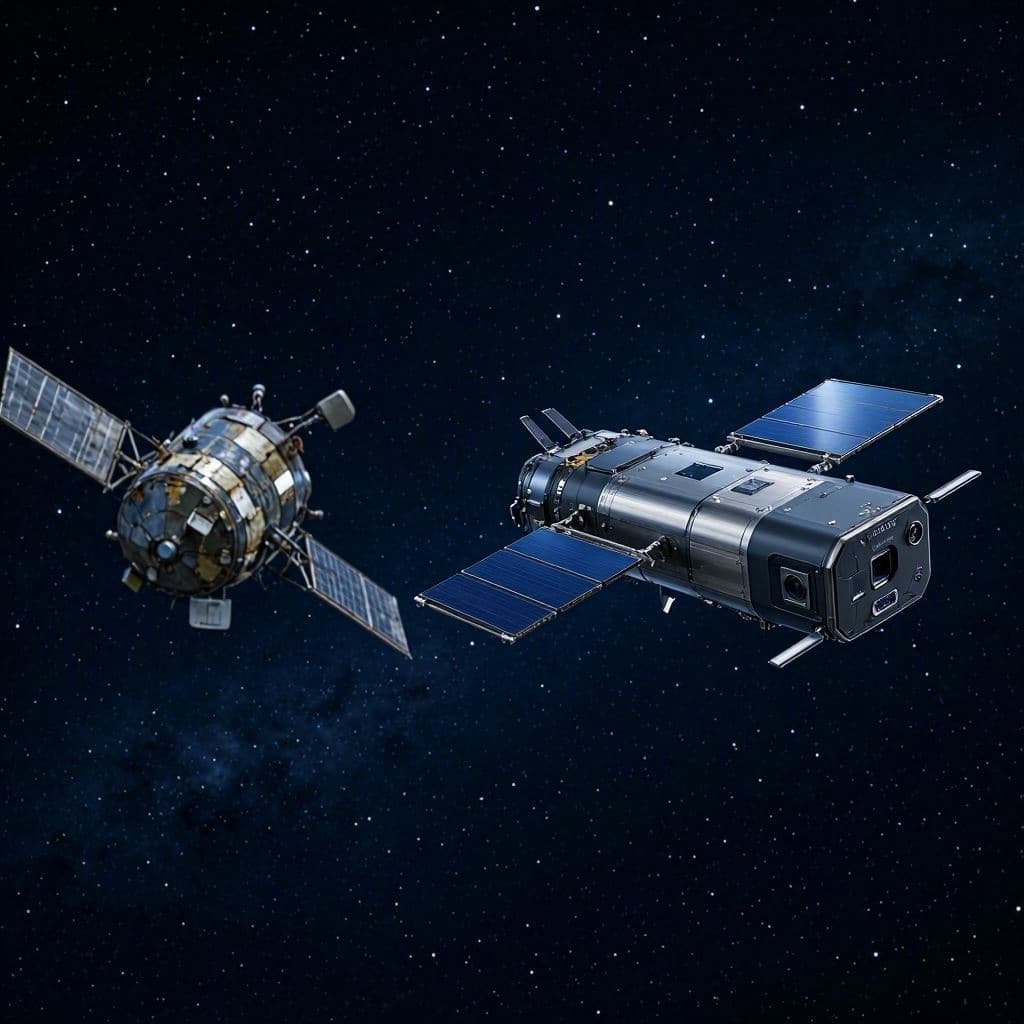
AI Image Disclaimer: Visuals associated with this article are computer-generated interpretations designed to complement the narrative, not actual photographic evidence.
Sources: NASA Nature Astronomy Journal of Geophysical Research Space.com
Published by Banx Network. This article is part of the Banx decentralized media programme, powered by the BXE token on the XRP Ledger.